





















I am the problem. In my freshman year, my dad gifted me a Garmin watch to track my fitness data for rowing. Just last year, my uncle gave me his old Apple Watch because he didn’t need it anymore. What have I done with them? Absolutely nothing, yet.
I should be the target user. My cousins inspired me to start working out in sophomore year, and I have played volleyball throughout high school. In talking with some of my friends and classmates, it seems that some students are in the same boat as me. We have wearables, but we just don’t use them.
It’s a larger problem than it sounds like. Schools teach us to track grades, manage schedules, and prepare for college. Fitness literacy is left to us; and most of us are guessing. Beyond understanding metrics, wearables are also proven to increase activity levels. A 2022 meta analysis by the University of South Australia found that wearable activity trackers translated to roughly 1,800 extra steps per day and about forty additional minutes of walking. Because our days as students and staff are so sedentary (we sit at desks for ~30 hours/week), this accessory walking would be incredibly helpful.
For PHS Assistant Principal Joe Marik, his exercise data wasn’t surprising; his sleep was.
“I know when I sleep more, I feel better,” Marik said. “But I didn’t really understand the science of sleep.”
That distinction is crucial. To make real change, it’s crucial to know the ‘why,’ not just the ‘what’. This is especially important given the inconspicuous nature of sleep, something that is taken for granted. Beyond getting ‘eight hours,’ it is uncommon for people to understand the various categories of sleep, which is arguably just as important as the duration. This is another reason why wearables are uniquely useful, because they break down sleep into classifications of awake, REM (rapid-eye movement), Core (light sleep), and deep sleep.
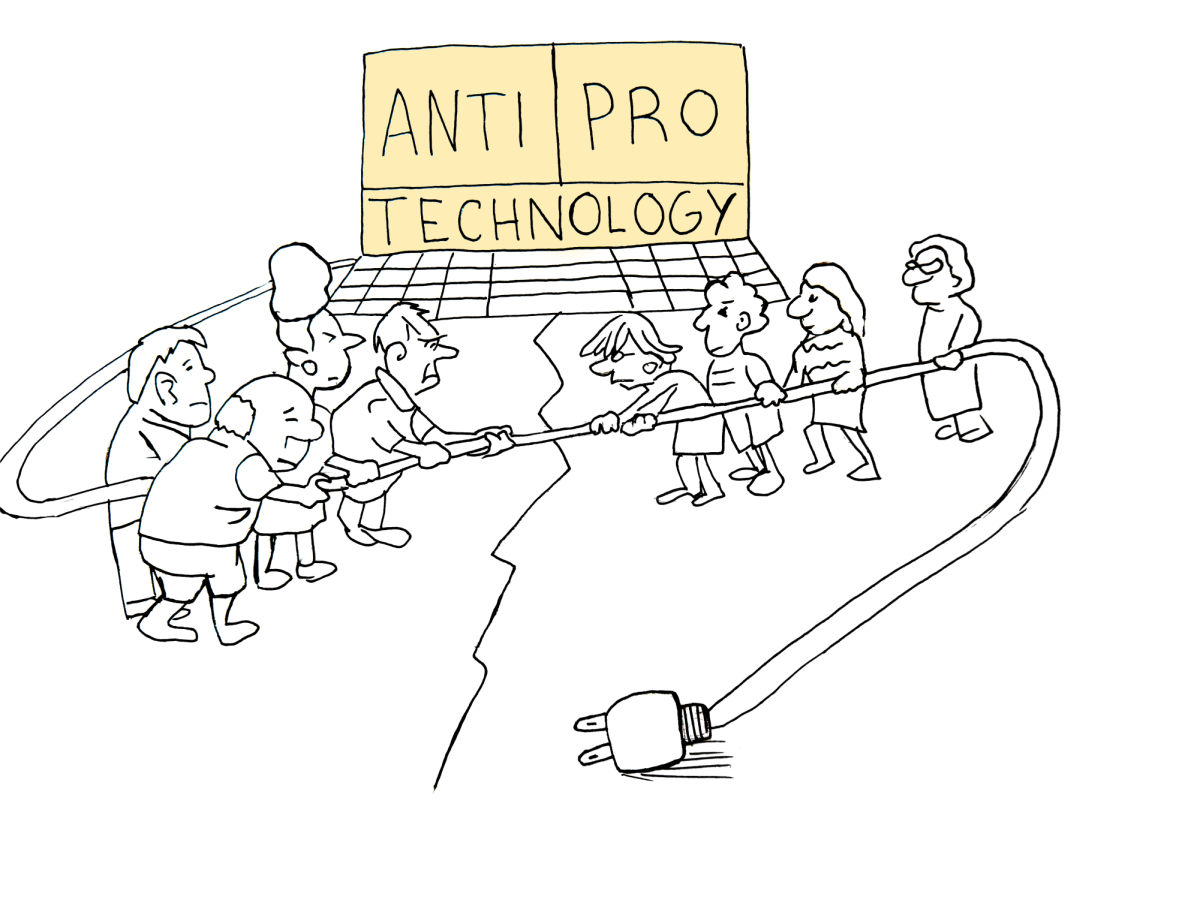
The main argument I hear against wearables revolves around privacy. Any health data gathered outside of a doctor’s office is unprotected by HIPAA, the federal law that limits who can access clinical health records, according to Harvard Health. This means that your fitness data essentially exists in a legal gray zone.
But here’s the distinction: the main risk isn’t the watch or ring collecting your data. The real issue with data-sharing is when users sync their data recklessly with third-party apps, or blindly accept cookies on random websites. In fact, Apple, who currently holds the lion’s share of the wearables market, ranks among the lowest-risk manufacturers for data privacy, with health data encrypted on-device and the company explicitly stating that it does not sell consumer data.
Pick one metric. It doesn’t matter if that’s sleep duration, resting heart rate, or daily active minutes. Watch it for two weeks. If you don’t own a wearable, invest that $80 on a Fitbit. It’s worth it. The change doesn’t have to be dramatic to be real, just start with small adjustments. Improving your health brings everything along with it. As Marik said, “When people feel better, they’re just better people.”