



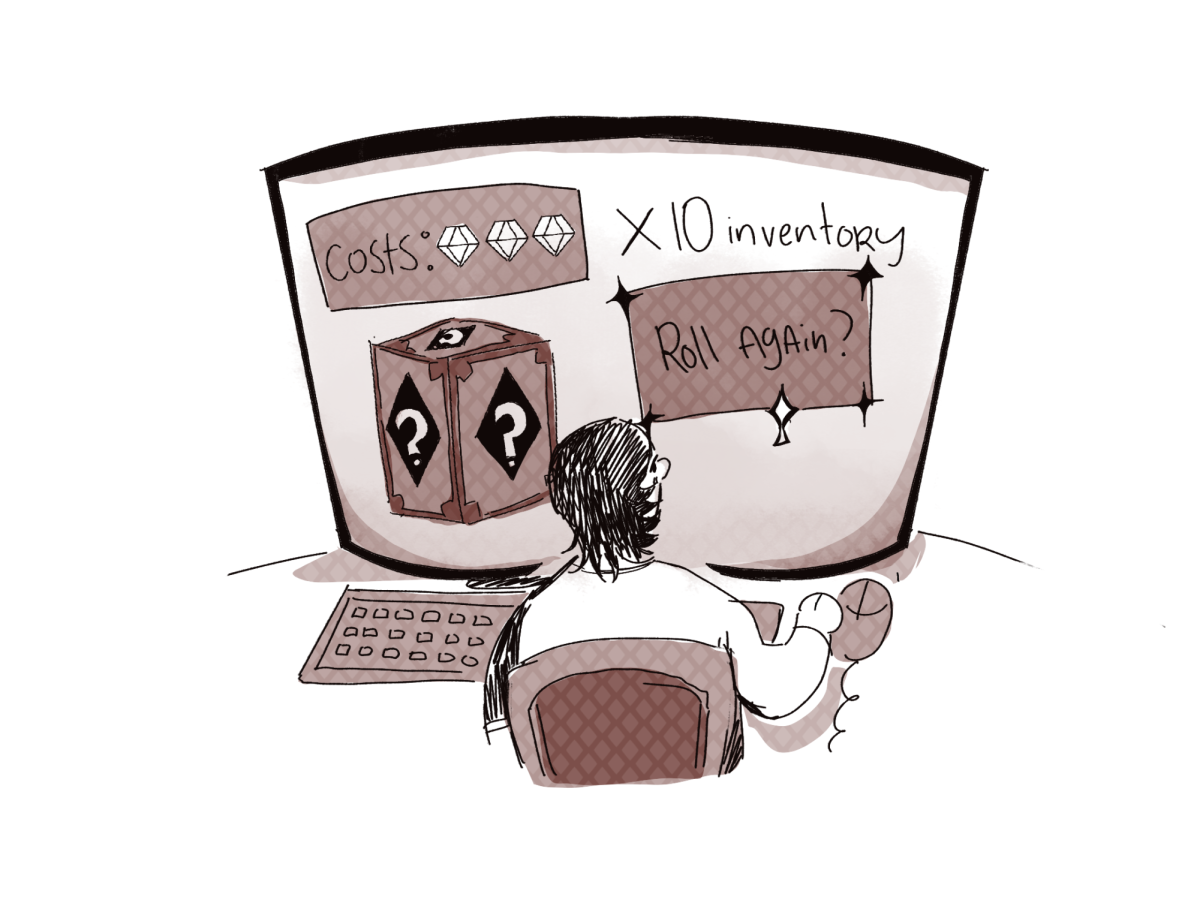












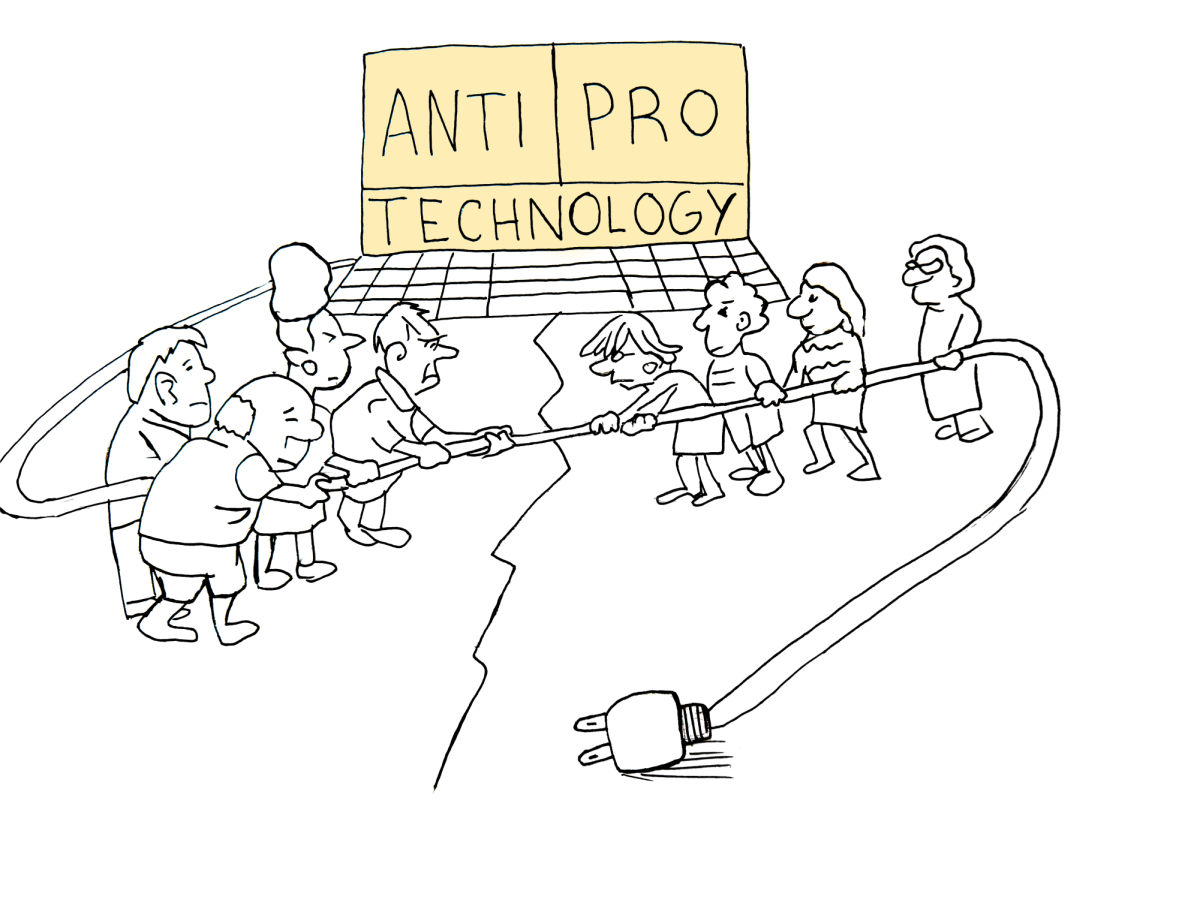




I have often felt the pull of an enticing crossword puzzle while collaborating with classmates on a project, or been frustrated by a dead battery during a homework assignment. But I have also experienced the epiphanies that come from interacting with a virtual lab, as well as the usefulness of a quick online search. As a student, I know technology is an essential tool for my future, but it can also impede my productivity.
The Board of Education’s technology-use audit stems from genuine concerns shared by students, parents, and staff. Many parents and staff worry that technology distracts students, hurting learning outcomes. According to a Rutgers-New Brunswick study, students who use cell phones or laptops for non-academic purposes during lectures perform worse on end-of-term exams. I have seen this firsthand in my classes: when a student is playing games or shopping during a lecture, technology impedes rather than enables learning. I understand that Piedmont Unplugged and individual parents are questioning whether we should continue issuing Chromebooks to students to take home and bring to school.
However, the usefulness of this audit depends on how the district collects and applies its data. Sending out yet another long survey isn’t a reliable way to gather accurate, unbiased data. Students often struggle to remember their habits, may feel pressured to answer favorably to avoid a ban, or could ignore the survey entirely, all of which would introduce biases and inaccuracies. A much more objective and accurate option would be to use the surveillance tools already available, such as GoGuardian, Hāpara, and Google Admin. This would give the board a fuller, more honest picture of all students’ technology use.
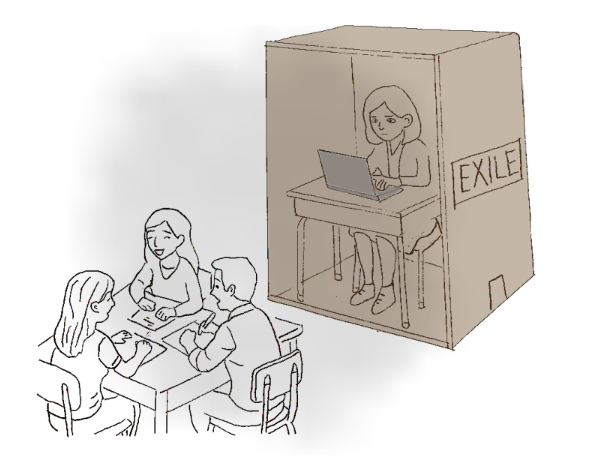
A teacher might find value in granular information on whether students are on task and for which activities. My greater concern is that this data could be used to justify a blanket district-wide ban, stripping away our teachers’ autonomy and dismissing the root problem of student impulsiveness. According to researchers at the London School of Economics and Political Science, bans on technology can turn it into forbidden fruit, reducing adolescents’ opportunities to learn how to exercise responsible decision-making.
Decisions about technology are best made by the professionals in the classroom: our teachers. Our teachers know the subject matter and how a digital tool can be an asset or a hindrance during a lesson. Technology can be game-changing, giving students entirely new learning opportunities through online sources, virtual labs, and personalized lessons.
According to research at Xi’an Jiaotong University, virtual learning activities can effectively improve students’ understanding of concepts, particularly those that cannot be demonstrated in person. It can also be inconvenient: clicking through several portals just to access a textbook on a small screen can cause hiccups. Just as a math teacher determines when to have students use a calculator versus solve problems manually, an English teacher can decide when students write on paper and when to use internet sources. Our current responsible technology use policy states that students are not permitted to use Chromebooks without teacher permission, and we have the digital tools to enforce this strictly if need be. In a dynamic environment like a classroom, a board policy created in the counsel chambers isn’t optimal.
High school is an important transitional period of life. While we obviously don’t hold a freshman to the same standards as an adult, we are responsible for getting them there. After high school, technology won’t disappear, but guardrails will. Self-regulation is an important skill our school should teach students as they grow.
According to a 2023 report by the UNESCO Global Education Monitoring team, digital literacy must include the development of executive functioning skills, which are more effective for long-term success than simple hardware bans. Parents play an important role here. They know their children’s behavior best and can set limits when needed. They can talk with their children and build good habits through daily conversations and reinforcement.
Managing technology is a shared responsibility between teachers, who decide when to use it, and parents, who help set good habits at home. The board is right to look at the data, but once the audit is complete, the solution isn’t to encroach on our thoughtful teachers.