







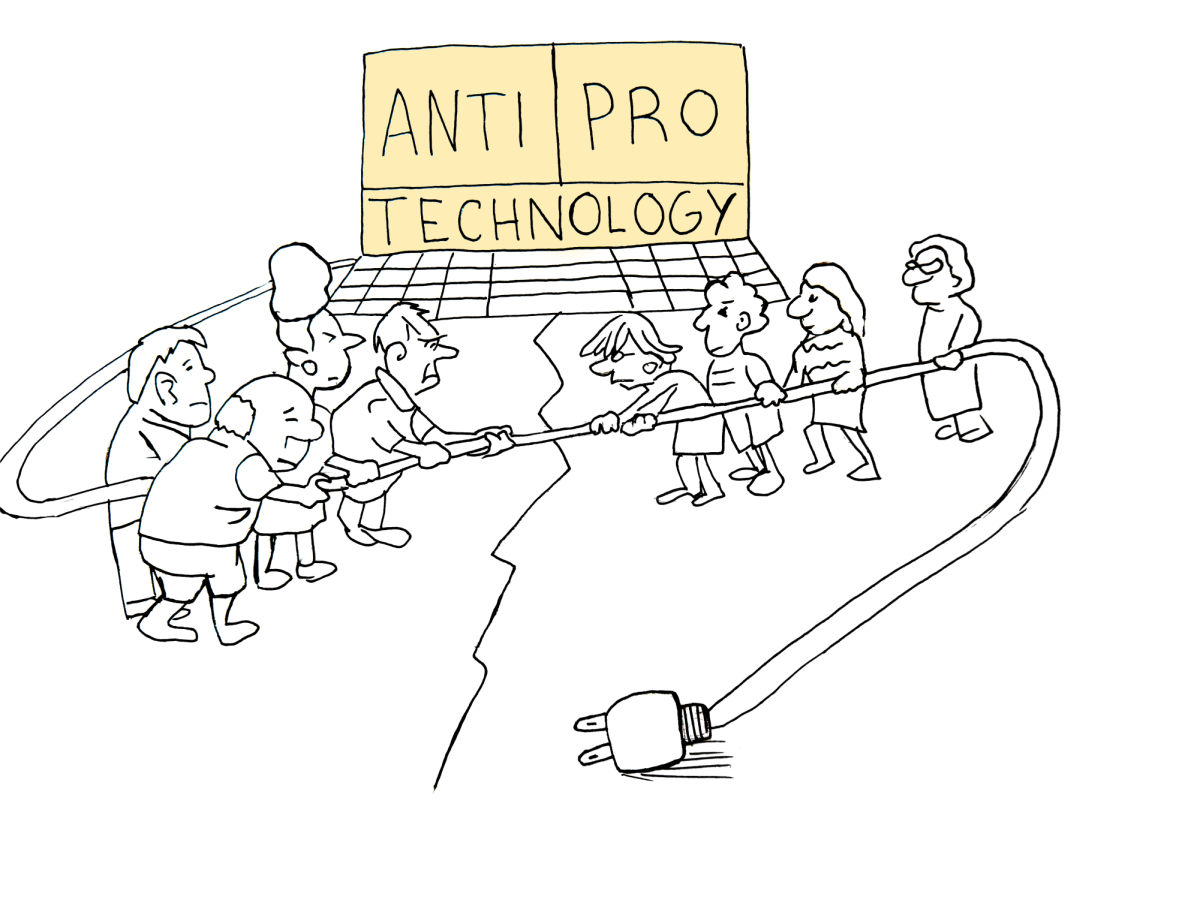



In recent years, politics in the United States has built a wall that too many people are unable to see over. Piedmont High School needs to focus on encouraging differing opinions instead of silencing them. Teachers should prioritize critical thinking and neutrality to ensure that students learn how to analyze political ideas rather than simply absorb them.
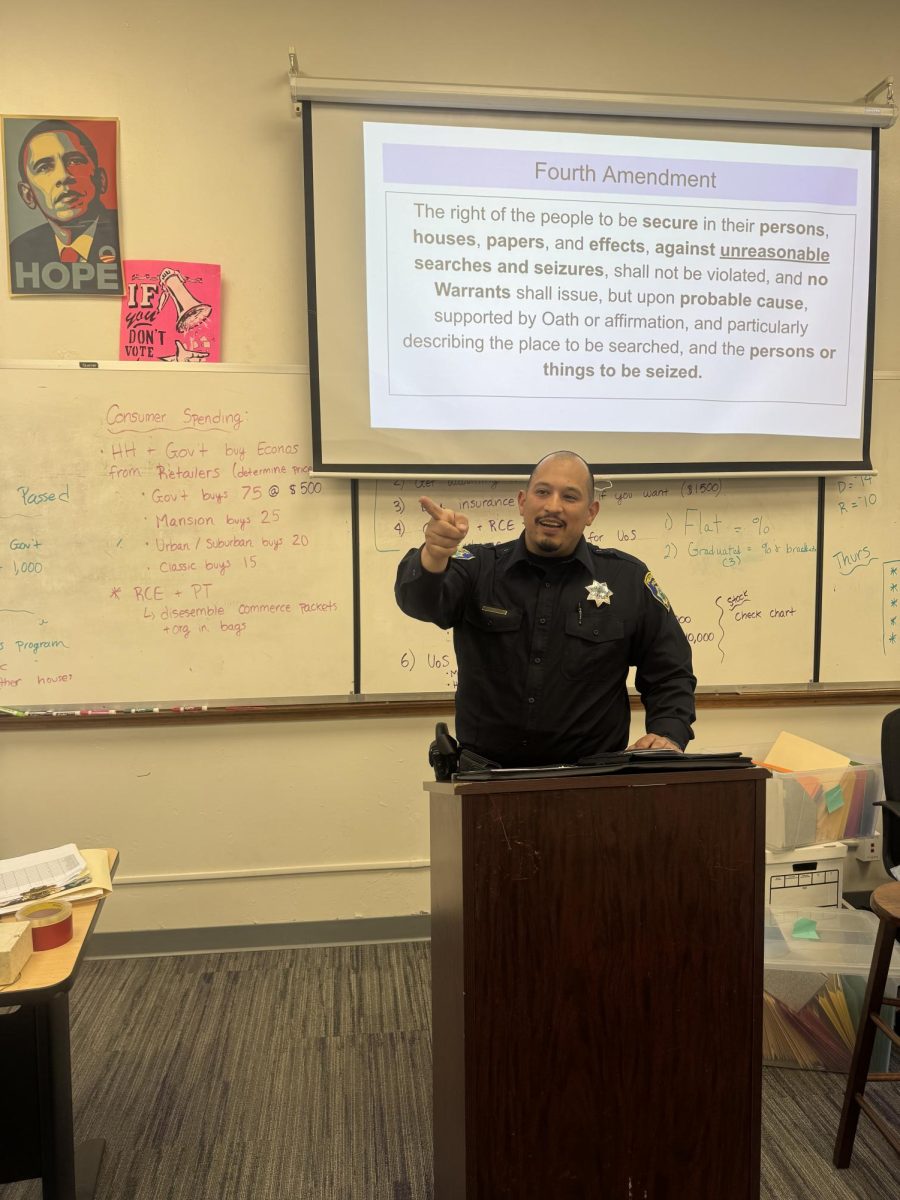
Within classes where politics are a part of the curriculum, such as social studies courses, it is crucial to talk about politics. But in classes where politics are not a part of the curriculum, such as math or science, teachers’ personal beliefs should not play a role in what is being taught. In both cases, it is important that teachers remain unbiased towards political issues.
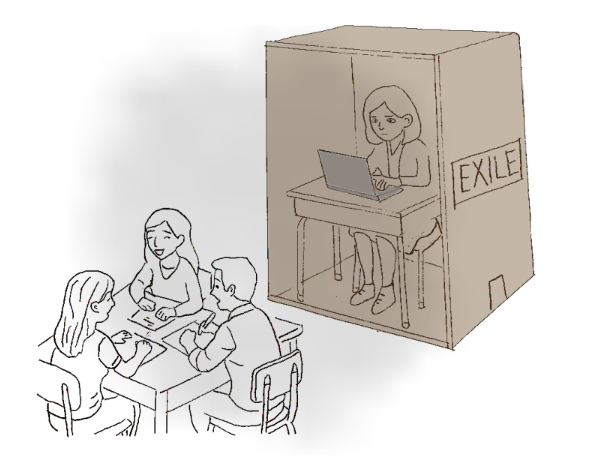
When teachers favor one side, it can cut off the possibility to have a safe space for students to question politics because an authority figure has already shown bias towards a certain side. Because teachers hold power over students, disagreeing with them can feel academically risky.
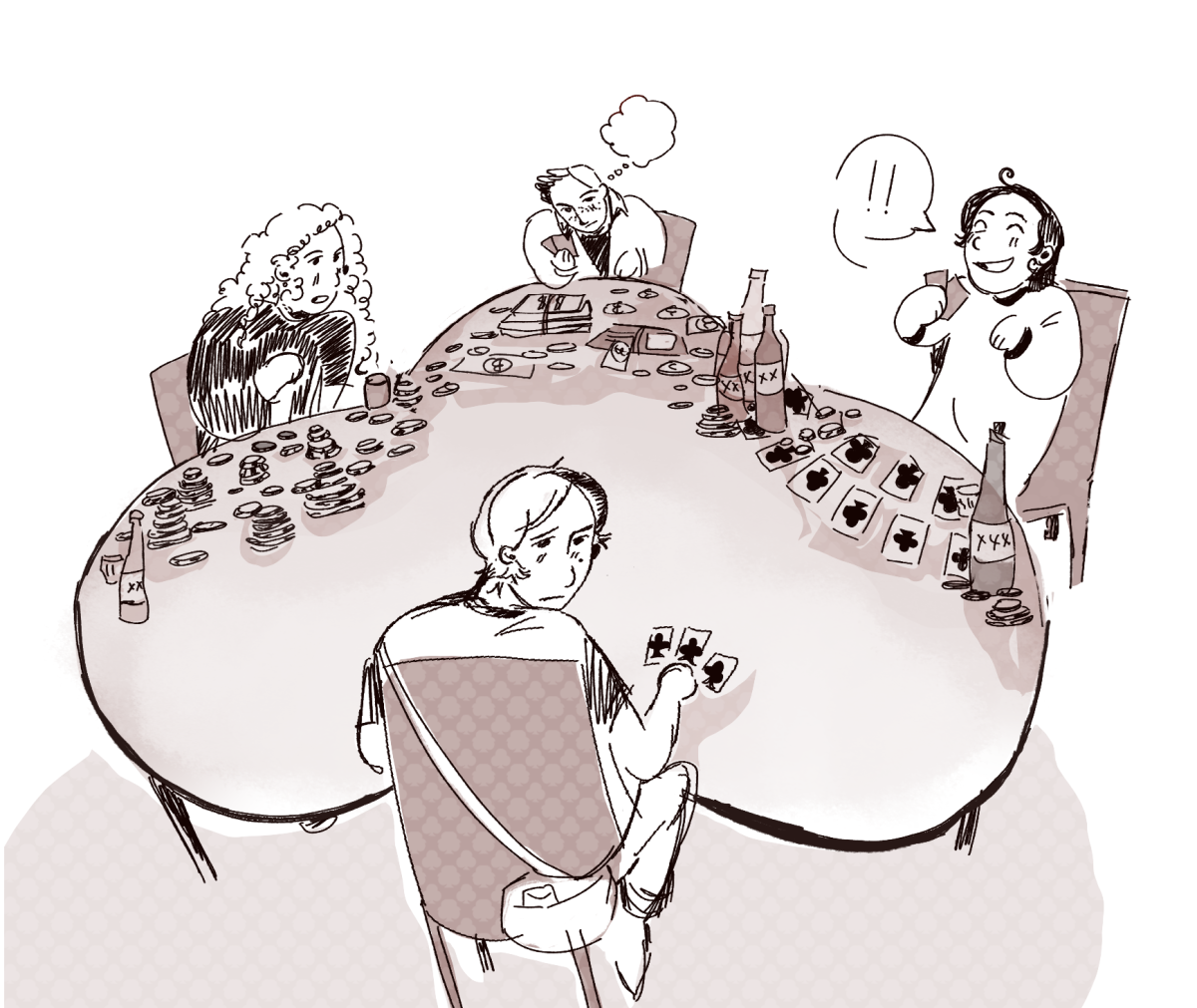
Recently, political polarization has gotten so extreme that many people will contemplate whether to remain friends with someone based on their political beliefs. In this environment, adding an authority figure who shares an opinion with a majority creates an impression of a “correct side” to a topic when discussing it in class.
“Personally, if I disagree with a political opinion shared, I often stay quiet. I think it creates a lot of controversy, and students tend to get on the teacher’s side. I don’t think they intend to, but it can feel like a ganged-up situation,” anonymous sophomore Jane said.
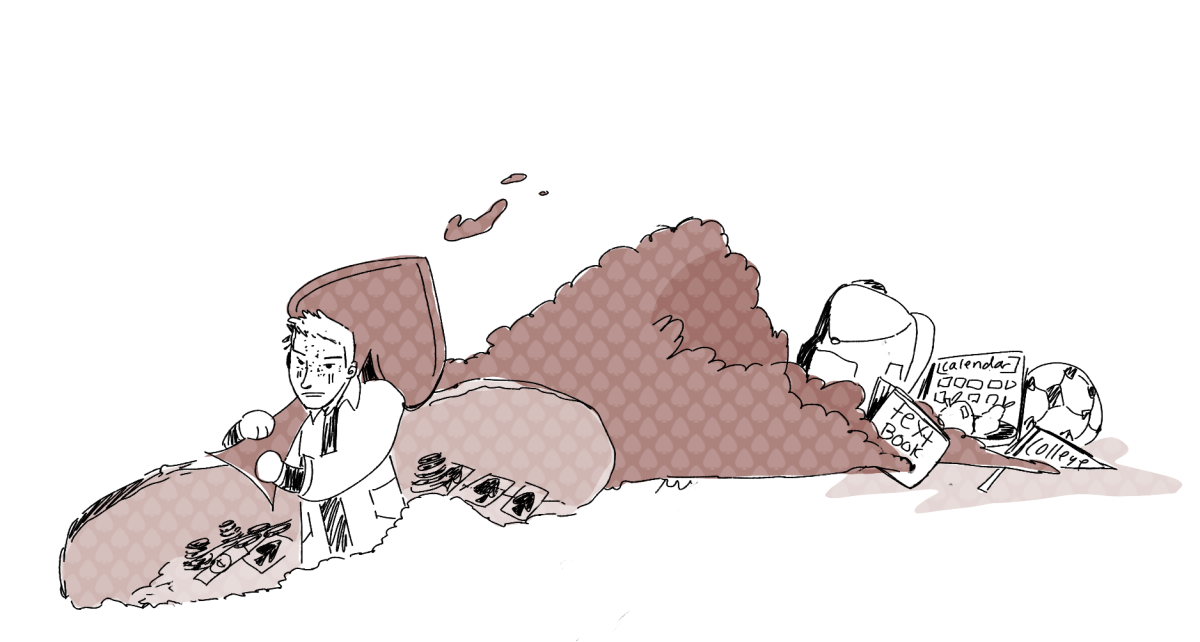
This issue extends beyond teachers alone. In a community with a clear political majority, there are social consequences to disagreeing with the majority. The fear of isolation causes the minority to stay silent in order to fit in. To combat this, the community needs to recognize this issue, and learn to be open to differing viewpoints without criticizing the humanity of the people who share them.
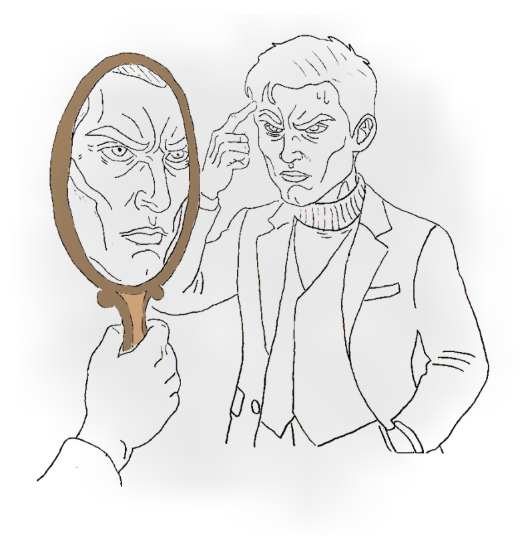
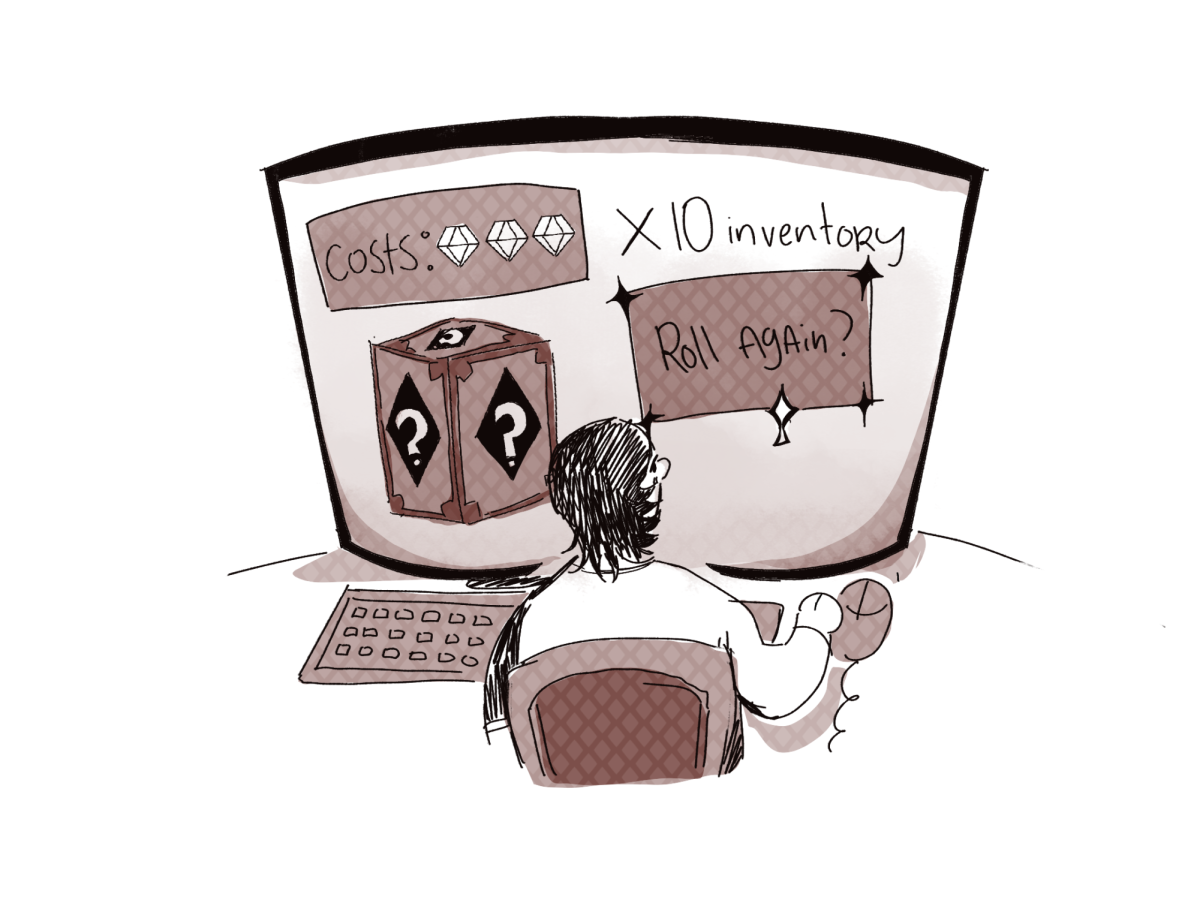
When students repeatedly hear political opinions from respected authority figures, they may begin accepting those opinions without fully analyzing opposing viewpoints. If teachers share their opinion in class without directly stated evidence, confirmation bias starts to form within students. According to Britannica, confirmation bias is a person’s tendency to process ideas by looking for information that is consistent with their existing beliefs. This causes people to simply absorb the information they agree with and reject what they don’t, rather than breaking down and analyzing the information. Additionally, confirmation bias can make students less inclined to do further research about their opinions, causing beliefs to be formed partially on emotion rather than fact.
Students can avoid confirmation bias by listening to different viewpoints they disagree with and doing independent research on the topic. Having Socratic seminars and open debates help students think independently and learn more about differing perspectives, which creates a space for kids to question their own beliefs.
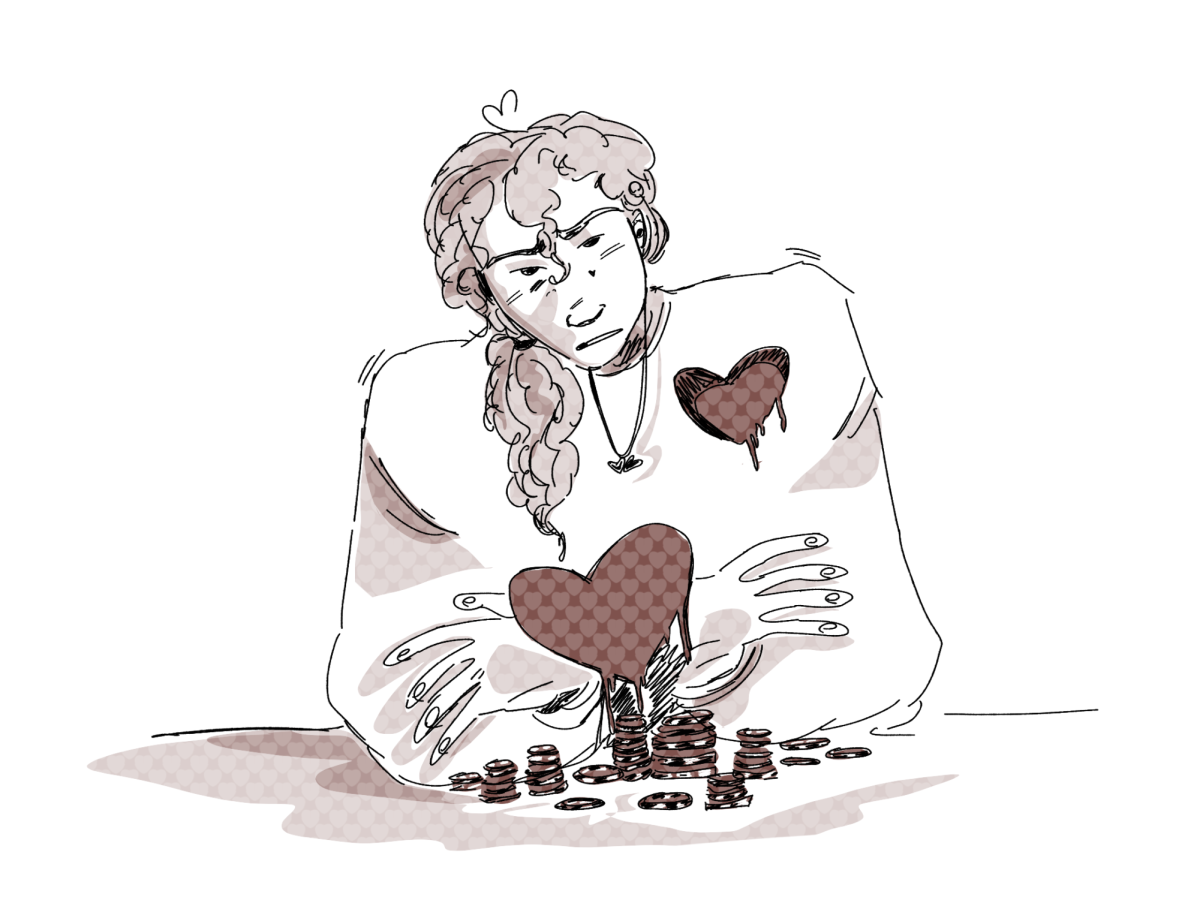
Some may argue that teachers have a right and a responsibility to speak out on political issues within the classroom, because teachers are citizens too. While discussing politics can help address important real-world issues, it should be done in a way that encourages critical thinking, rather than promoting one viewpoint over another. The purpose of education is not to guide students towards opinions, but to help them with the tools to determine their own. Schools should not produce political alignment, but rather people who are capable of questioning everyone, even teachers.