


















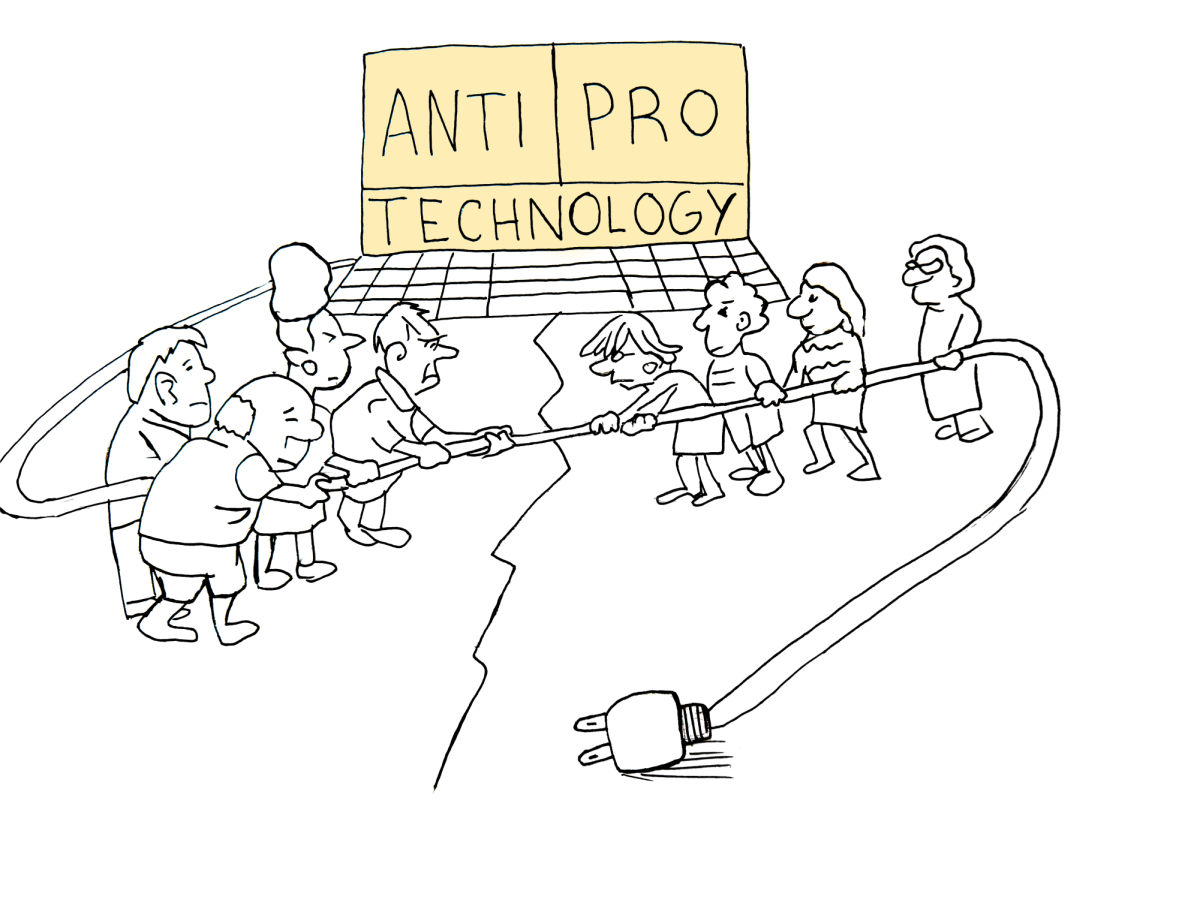




The future will not be paper-based, device-free, or disconnected from the internet. As the Board of Education focuses on taking away and limiting technology, they are failing to prepare students for a future built around it. Instead of outright banning important technology, the school must guide students to manage, rather than abuse, the resources entrusted to them.
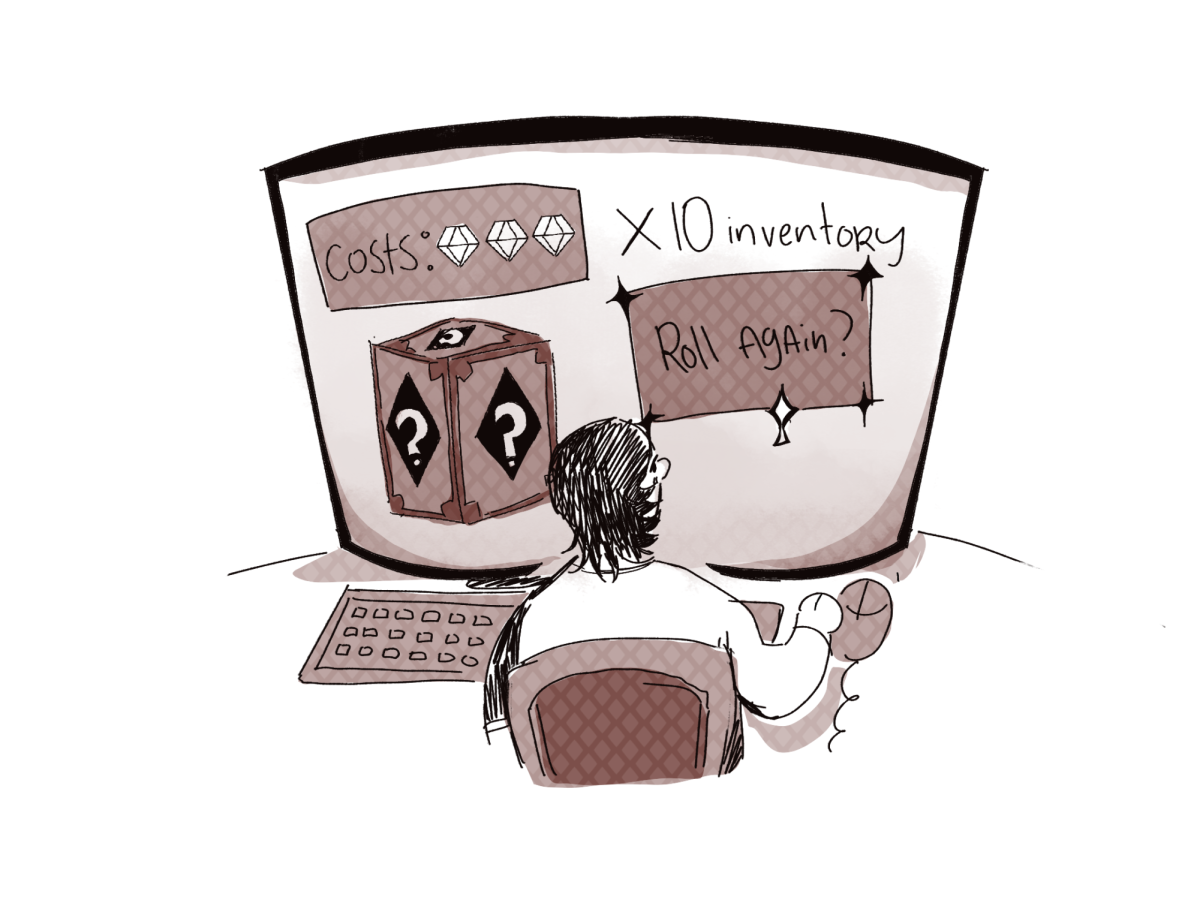
Technology itself is not the problem; the misuse of it is. Computers are viewed as a distraction rather than a learning tool. Devices like Chromebooks and cell phones are being blamed for a lack of honesty about schoolwork. Banning tools does not stop misuse, it will only make students find new ways to get around restrictions. According to a New York Times article, “Taking [technology] away ‘cold turkey’ would just cause an uproar in its usage and lead to teens resorting to deceptive ways to get their hands on what they are being denied.”
Rather than removing access to technology, schools should be focusing on teaching digital responsibility. Starting in the second half of elementary school, students should be learning how to navigate a computer, and be taught basic lessons on digital citizenship. By middle school, there should be a class on how to responsibly use AI and other forms of technology that can be easily abused. Consequences for abusing technology must be clearly communicated and consistently enforced.
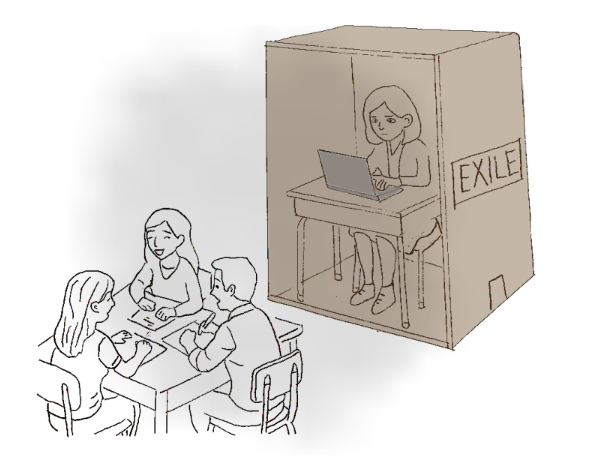
It’s important to acknowledge that a distraction-free learning environment is crucial for student development, and there should be necessary limitations of technology in order to achieve that. However, strict bans do not help. A policy restricting phone use during lunch will not affect student learning; rather, it reveals that students are being infantilized, and are not trusted with any autonomy even when outside the classroom. When the Board of Education imposes strict bans, it sends a message that students are incapable of making responsible choices. This can lead to resentment rather than cooperation. A better approach would be to involve students in conversations about technology policies, demonstrating their insights are valued and useful. Limiting technology in schools creates an unrealistic learning environment. Outside of school, students are surrounded by devices. By removing technology from classrooms, administrators are creating a gap between school and the real world. The world will be digital, and constantly evolving. Adults need to accept that reality
by teaching students how to manage distractions and use technology ethically. Removing access does not solve the problem; it only delays students’ ability to learn how to handle it. The future is not something to be scared of. We need to figure out the best ways to learn how to use new things effectively and honorably.