


















Around campus, placing a bet can feel exciting, but the excitement often turns into anxiety when winners realize the hardest part isn’t winning: it’s convincing someone to pay up.
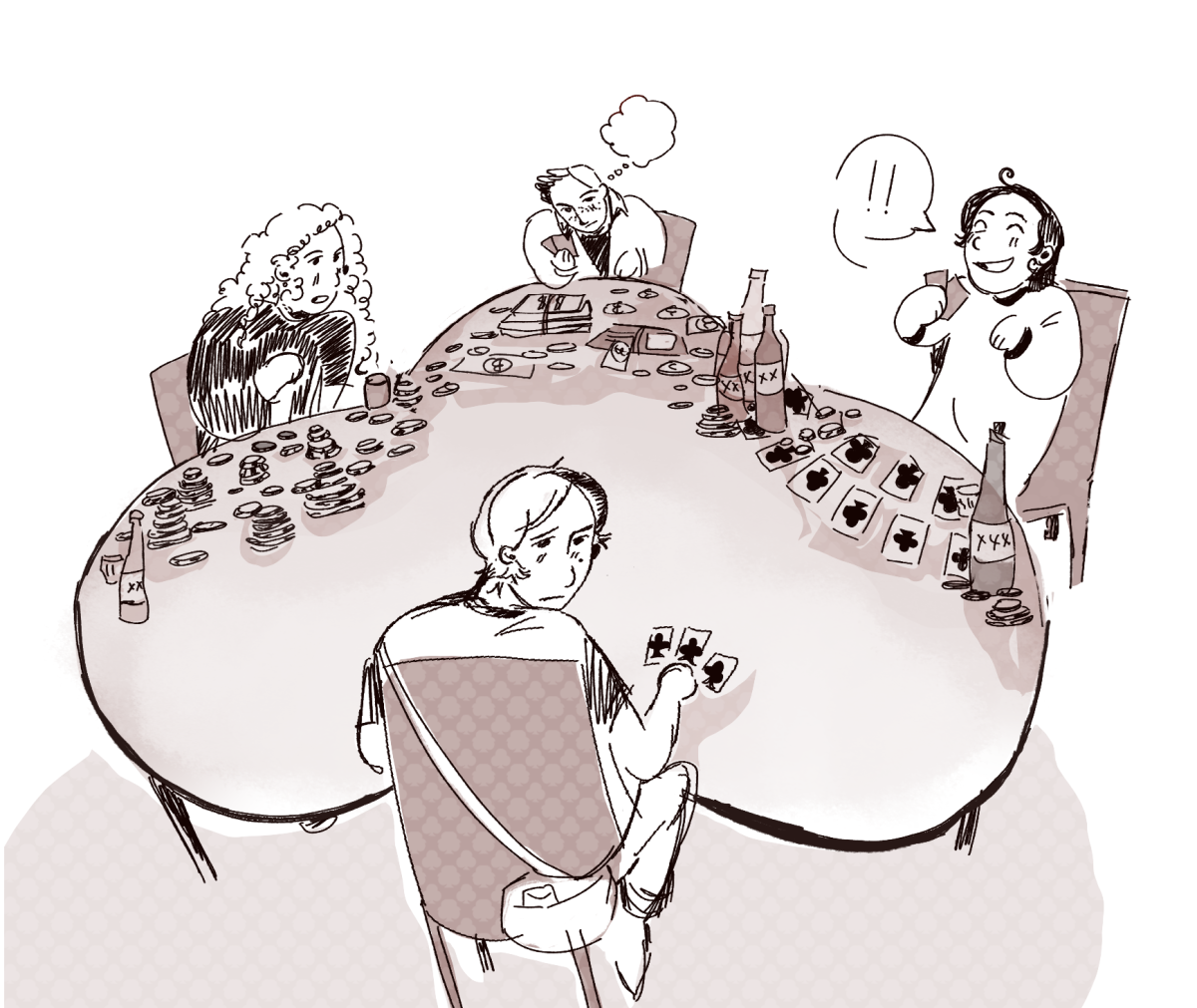
Since Piedmont is not that large of a school, most people in each grade know one another. When one student makes a bet with another, it’s always with someone they know and trust.
“I would assume they kind of have to [pay someone back]. Or also everybody knows each other. So it’s, like, you can get [your money] back eventually,” freshman Danilo Titterton said.
Most students make sure they are responsible with their money, and only make bets with trustworthy people.
“I would make a bet with someone who I know would stick to it,” freshman Alexa Ba said.
Junior Gianluca Richmond says that people paying him back is not usually a problem. The people who don’t pay back are usually less responsible friends.
“I usually collect [money] when I’m at their house or if they’re buying me food. But it is important to write down the debt somewhere and make sure they confirm it,” Richmond said.
Richmond says that he only bets with his friends and on things that he is confident about.
“I usually make [bets] knowing I’m right about them, and when they’re not, they’re usually low-stakes for fun,” Richmond said.
The money usually tends to be the students’ own money rather than their parents’, said both Richmond and Freshman Mason Myers.
“Usually, whenever we have an argument or something that we’re willing to prove our points about,” Myers said.
People will bet lots of things, such as food, favors, and punishments of a sort.
“Some bets are punishments for losers like something embarrassing or painful— an example of this is the winner gets one slap on the loser’s back as hard as they want at any moment,” Richmond said.
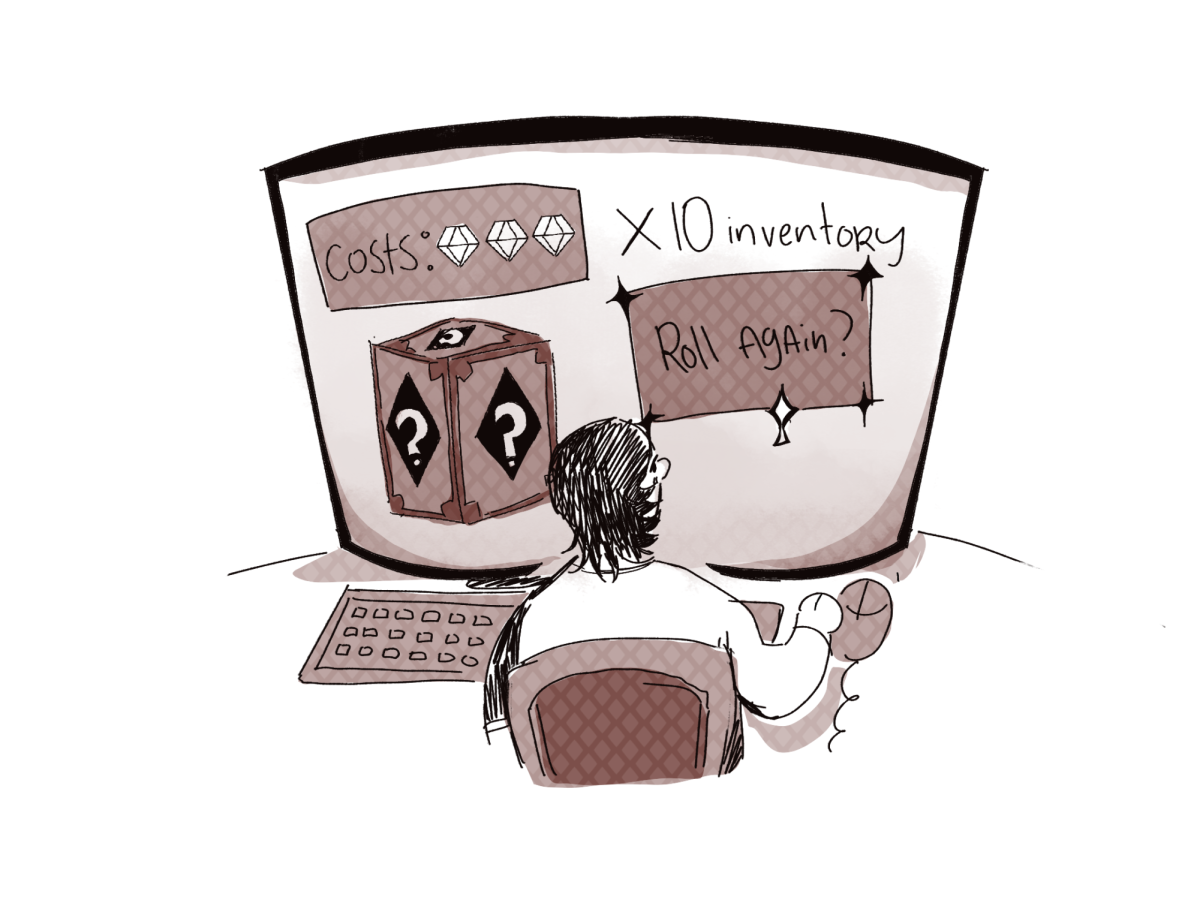
Gambling is commonly linked to online platforms and the exchange of money.
In reality, students will bet on practically anything with whatever they have.
When someone isn’t repaid, most of the time they will pivot toward talking with the person and hounding them until they get their money.
“I just keep reminding them, I say ‘you gotta pay me,’” Myers said.
Myers also said that he will take something from the other person so that they will remember to pay him.
“If they were to not pay me back, I would persistently ask them, or maybe, demand collateral, or take something from them,” Myers said.
Gambling doesn’t necessarily only happen in high school. Myers said that he and his friends used to bet on coin flips as middle schoolers.
“Back in eighth grade, we were betting on coin flips, one person would be heads or tails, I lost 40 bucks because I kept trying to win back my losses,” Myers said.
A recent national survey from Common Sense Media found that 36% of boys age 11 to 17 in the U.S. have gambled in the past year. Betting has become an activity that can happen almost anywhere, no longer necessitating a visit to a casino or gambling website.
“No one under 18 can gamble legally, but experts say the opportunities are everywhere,” says a NPR article.
It isn’t just among kids that betting and gambling are growing. According to an NPR article, Gambling has soared in the U.S. since a key Supreme Court ruling in 2018 allowed states to legalize sports betting. That opened the floodgates, from one state back then to 38 in 2024.
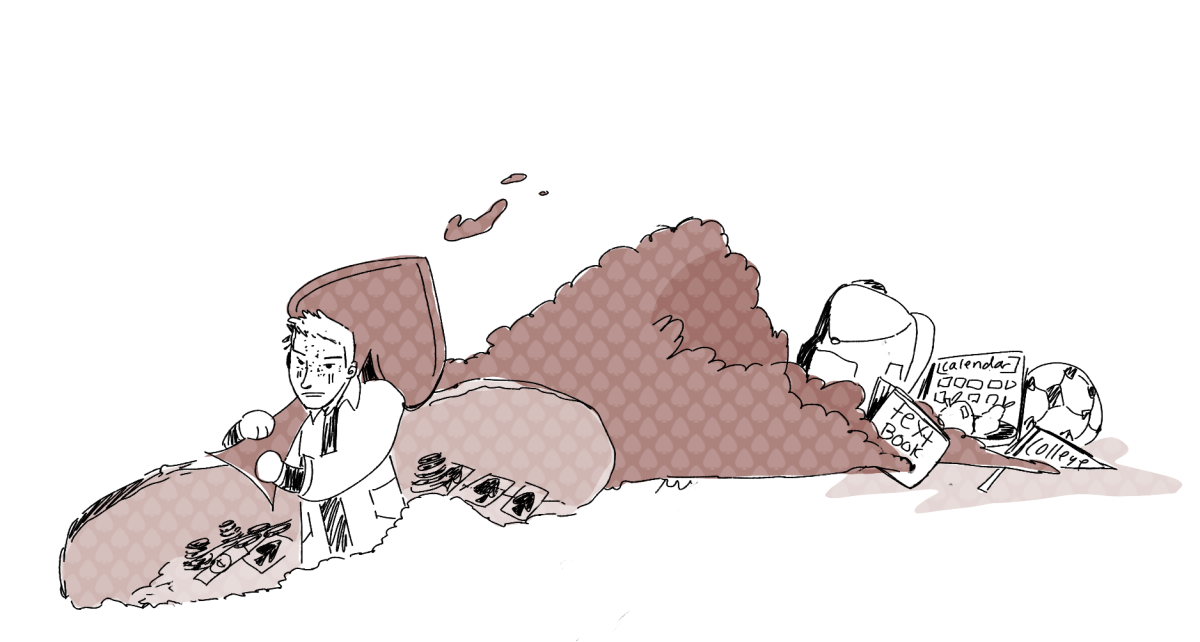
Betting can start to feel normal for students, even if it began as a small joke between friends. What starts as a fun way to make a game more interesting slowly can become something students do without thinking.
According to Common Sense Media, many teens first see gambling through friends, social media, and things online. This can make betting seem harmless, even when real money is involved, so students rely on trust to make sure bets are paid back. Since many students know each other, if someone doesn’t pay, people will remember.
For many students, betting is about having fun and competing with friends. But the real problem is usually not the bet, but what happens afterward.