


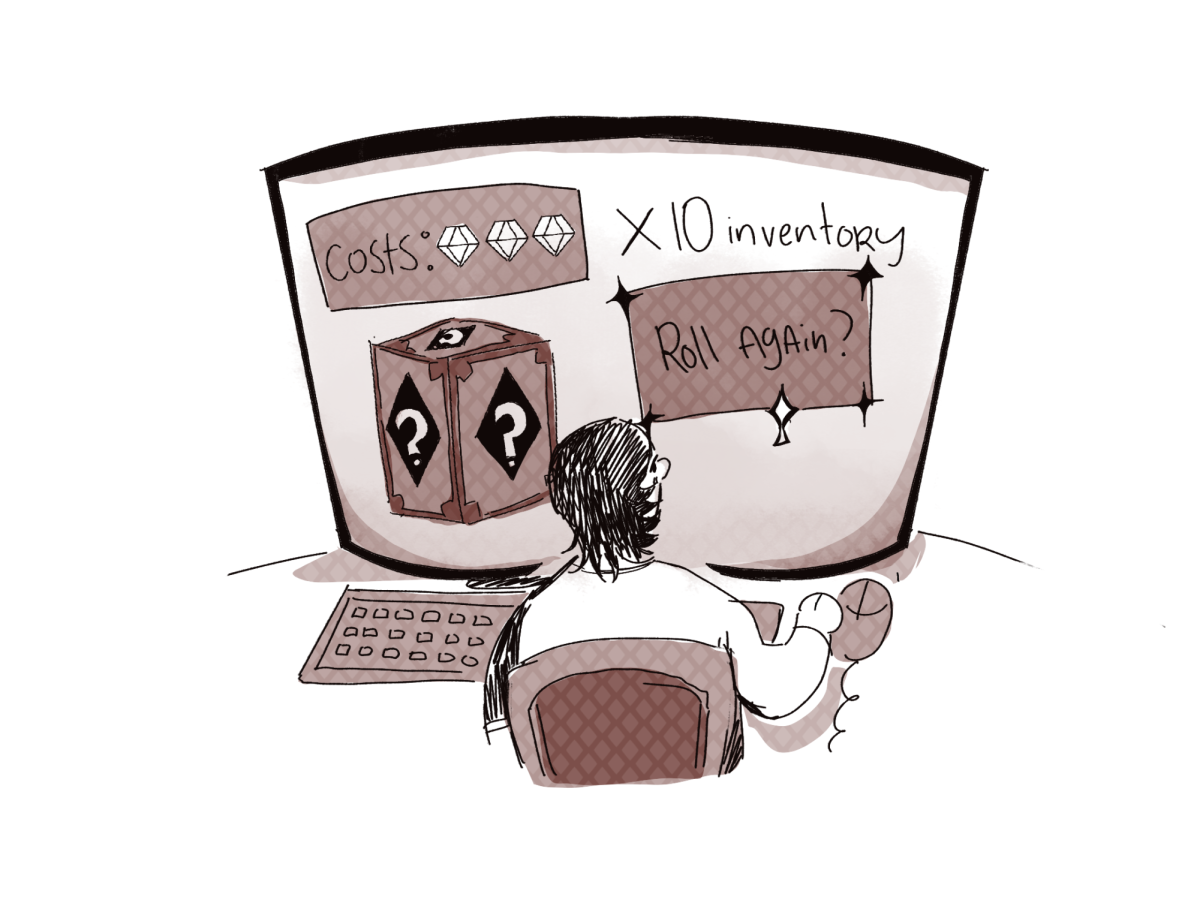
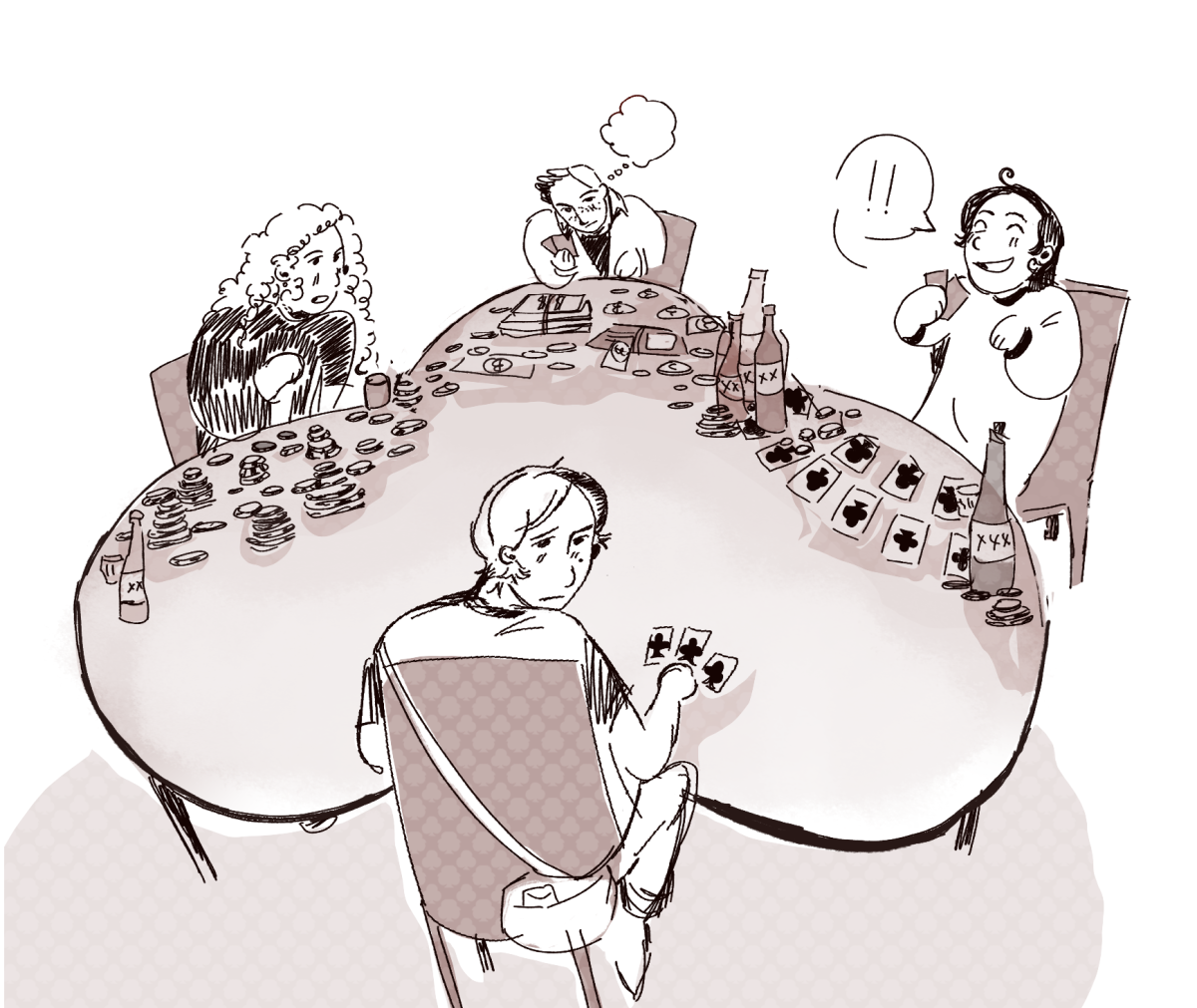









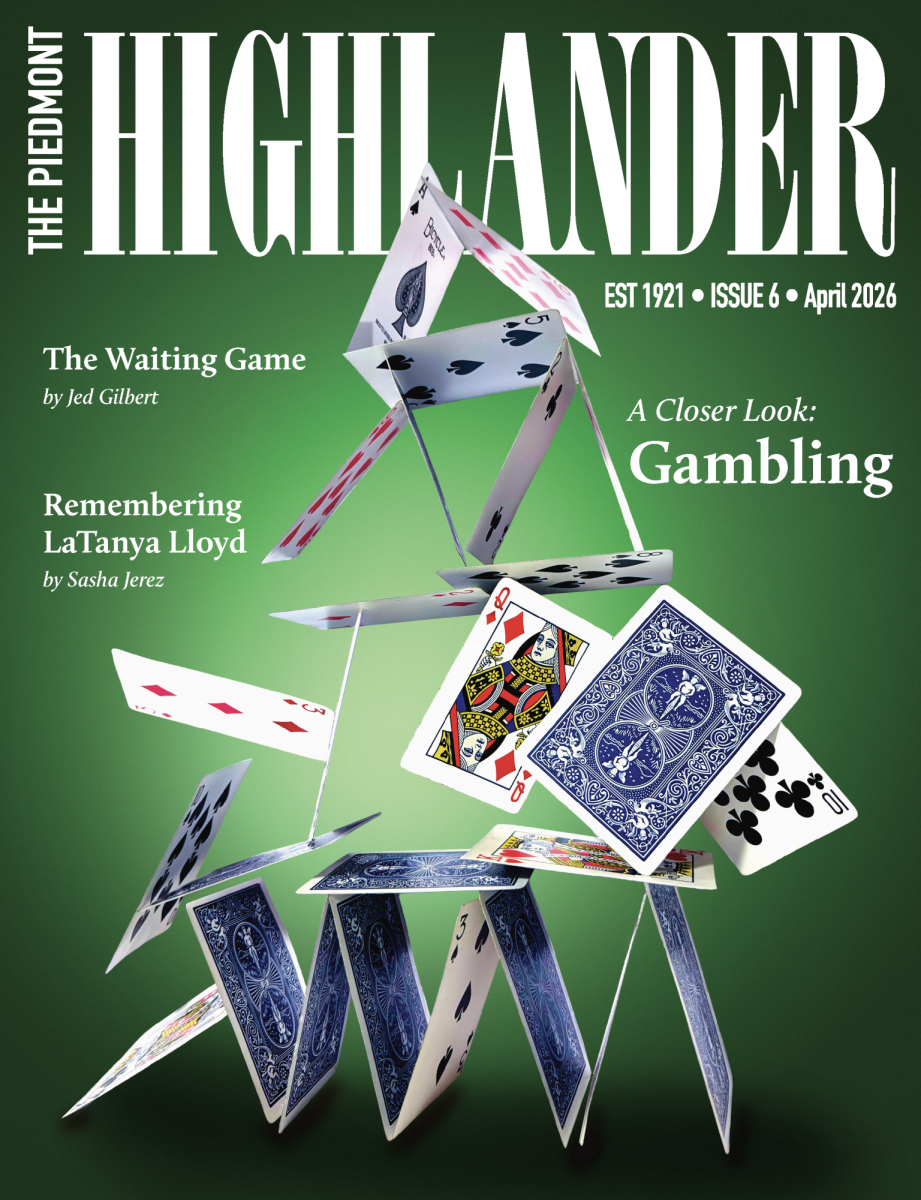


It’s everywhere – from video games to poker, from friendly wagers to March Madness pools.
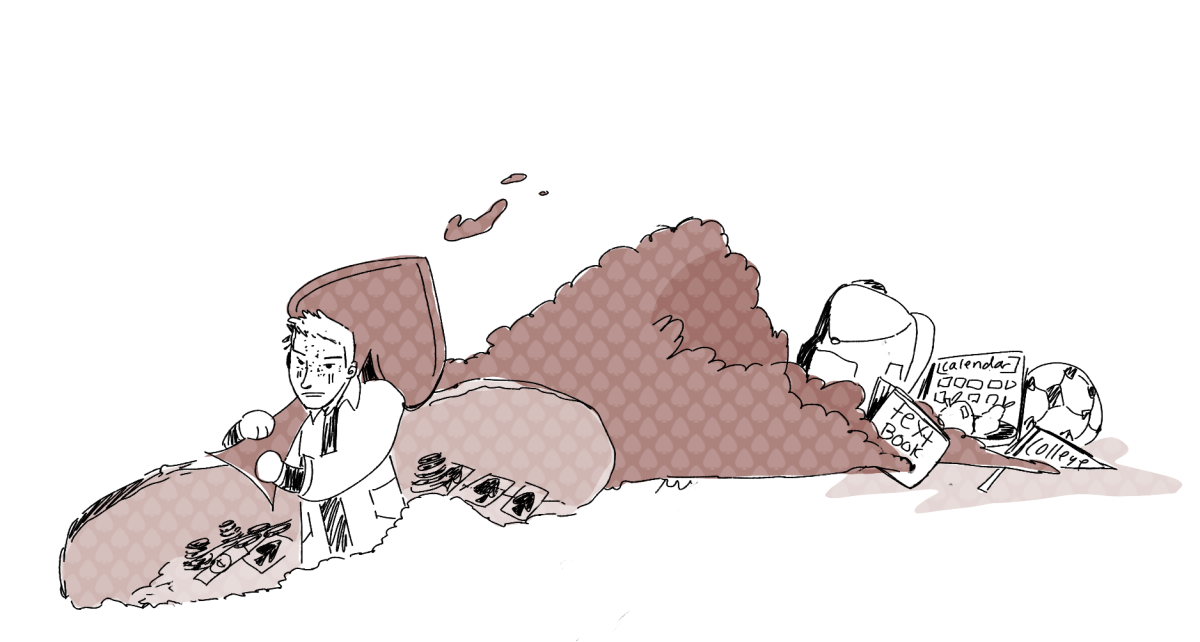
In a world where casual gambling has become more integrated into the day to day lives of Americans than ever before, the question arises: when does betting cross the line, becoming a destructive force rather than a lighthearted recreation?
Psychologist Alisa Crovetti said gambling becomes a disorder when behavior causes “clinically significant impairment or distress” and four or more criteria are met on Diagnostic and Statistical Manual of Mental Disorders, 5th Edition (DSM 5), a widely recognized diagnostic standard.
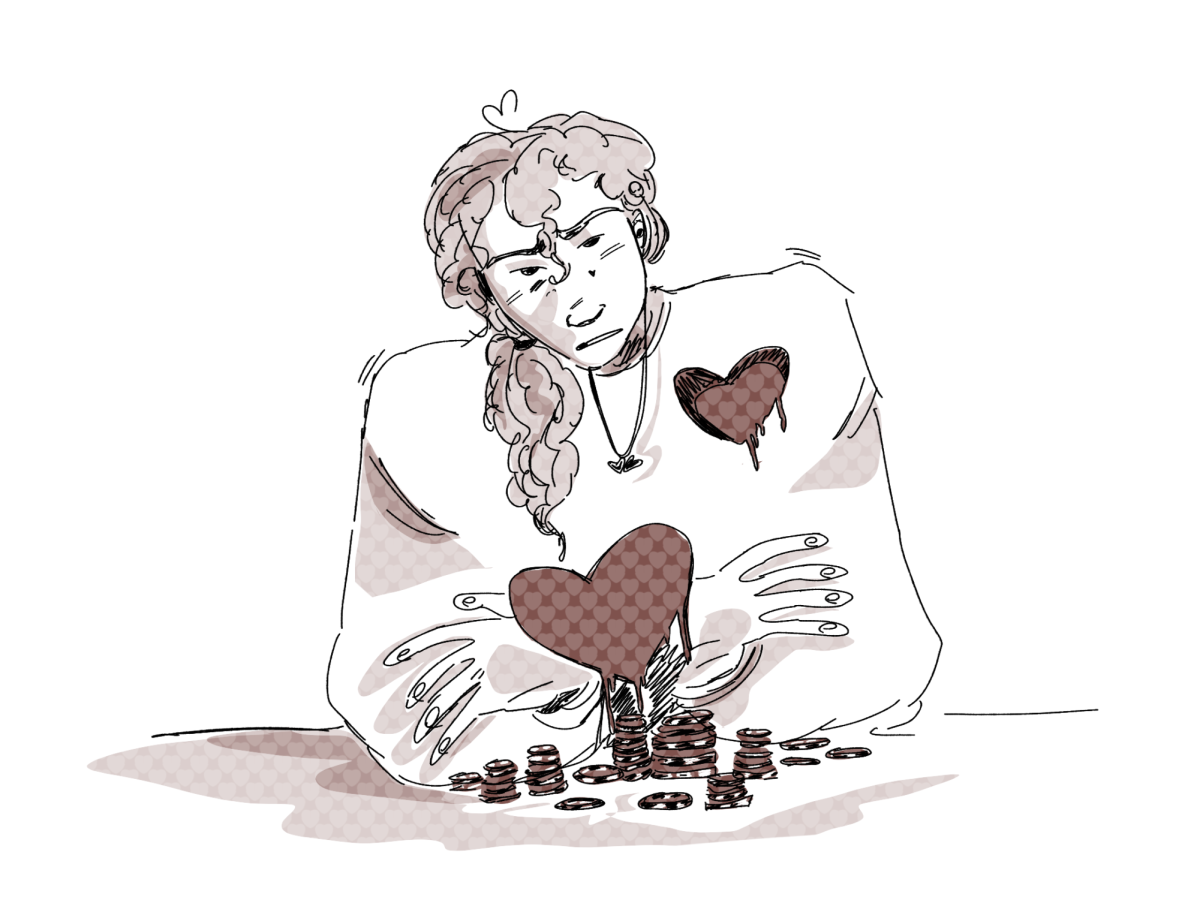
While gambling disorder is the only addictive disorder not related to substances, Crovetti said it is just as powerful as substance abuse disorders.
“Gambling works on the brain to create dopamine firing, which is a feel-good chemical, and people get addicted to that,” she said. “Over time, their brain kind of loses the ability to manufacture dopamine in healthy ways.”
Because human brains respond best to intermittent reinforcement, unpredictable payouts make gambling even more addictive.
“We’re much more likely to keep engaging in that behavior that only sometimes gives us rewards,” Crovetti said. “If we won every single time we gambled, it [would not] be addictive. People get addicted to that uncertainty.”
Crovetti said that people who begin gambling as teens are much more susceptible to developing gambling disorders later in life.
The Avon Longitudinal Study of Parents and Children indicates that gambling behaviors in adolescents persists into adulthood. According to the study, 70% of people who gambled occasionally at 17 years old continued doing so at 24, and 7% became regular gamblers.
“What you do as an adolescent is what you are getting good at for the rest of your life,” Crovetti said.
Gambling disorders don’t start out of nowhere – a multitude of carefully crafted designs lure unsuspecting victims in.
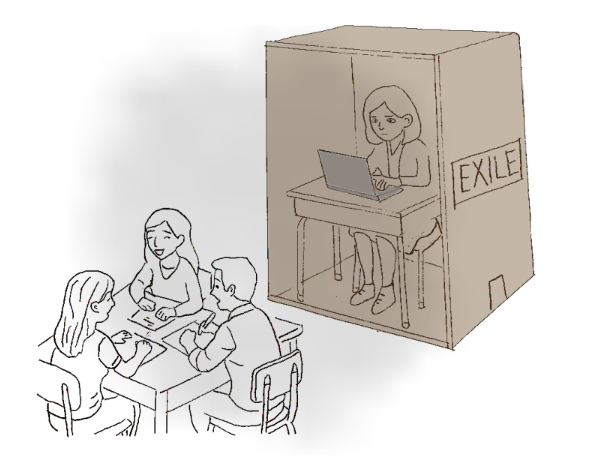
English teacher Jamieson Mockel said many gambling companies monopolize on the social aspects of betting in order to draw new users in. Like credit card companies, betting apps often offer rewards for recruiting friends to create accounts.
“We are naturally social on a biological level, anthropologically speaking,” Mockel said. “It’s often said in advertising [that] some version of word-of-mouth is really the most powerful motivator.”
Mockel said another strategy that gambling companies employ is a low-stakes entry, offering free credits upon making an account, which allows users to develop a taste for gambling without putting their own money at risk.
Once users are drawn in, Mockel said betting sites utilize what he calls “predatory design” strategies to keep users engaged, similar to methods used by social media and video game apps.
“[Betting sites] let you know when a new game’s coming up that you can bet on. They have push notifications, emails that they’re sending out,” he said. “If you log in every day, you get prizes.”
Freshman Koji Learn, who wrote his I-Search about gambling, said that casinos also use design strategies to keep patrons on the floor.
“In a casino, the games are arranged in a maze, kind of so you wouldn’t find a way out, and there’s no windows, there’s no clocks,” Learn said. “There’s constant oxygen being pumped in, so it keeps you like a robot. You’re like a robot programmed to press buttons.”
Learn said that advancing technology has led to increased accessibility to gambling, especially for minors who can bypass age restrictions online. He said that online gambling, especially in fantasy sports leagues, is spreading among many groups of his peers.
Because the amygdala, a part of the brain that processes emotions, is overactive in adolescents, Crovetti said teenagers are less able to assess risk, making them more susceptible to exciting, risky activities like gambling.
“When [teenagers are] involved in something that’s very exciting, it’s hard to stop,” Crovetti said.