










On May 18, students walking into lunch found something unexpected on the cafeteria tables: pepper packets.
At first, the small paper packets may not have seemed like much. But they represented something bigger: one of the first visible results of the Idea Drop, a student suggestion box placed outside the library last fall, to give Piedmont High School students a simple way to share what they thought would make the school better.
The message on the box was direct: “Have an idea to make our school a better place? Don’t know who to tell? Make your voice heard.”
“At first, I was worried that students might use it for inappropriate comments or jokes,” PHS principal David Yoshihara said. “Instead, it was inspiring to see how many students used the opportunity to share thoughtful ideas about how to make the school better.”
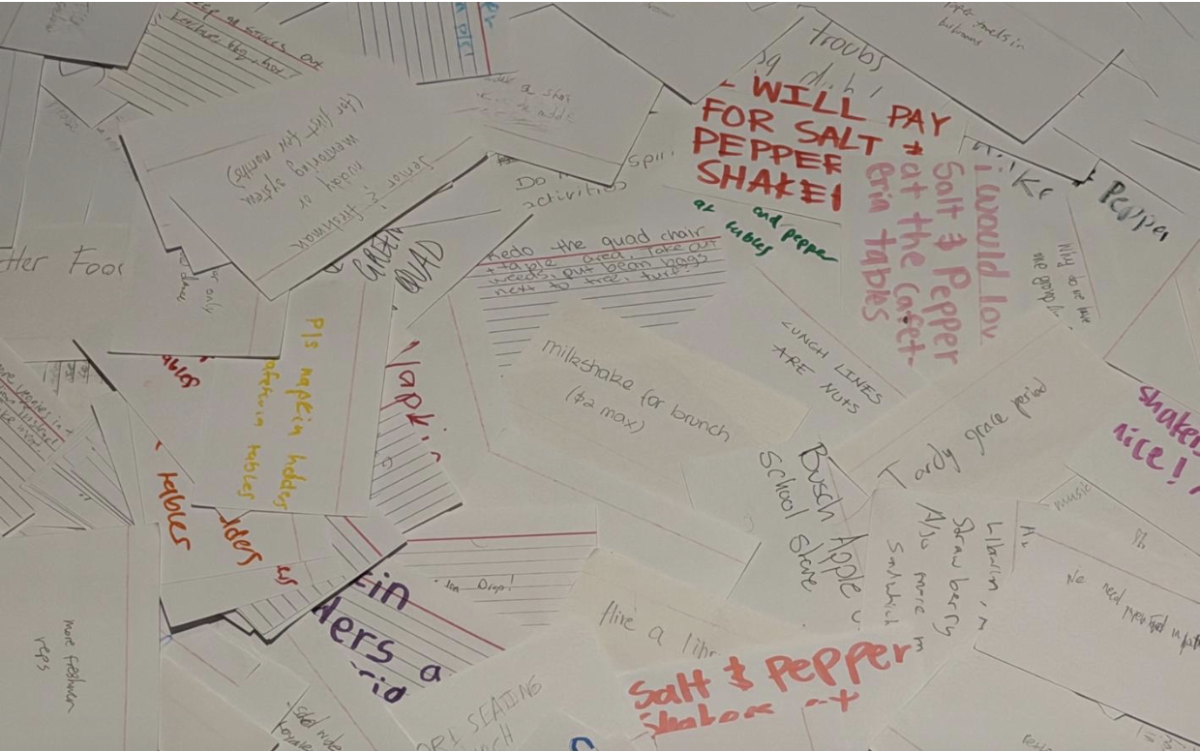
Most of the responses were thoughtful and specific, with only a few of them being less serious. In total, students submitted 297 responses, showing that many had real ideas about how to improve daily life at school.
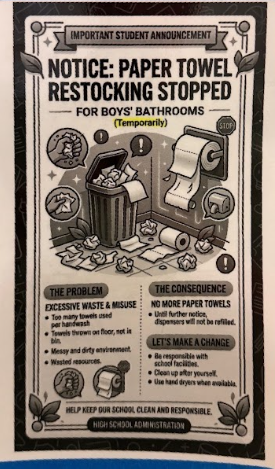
The most common requests included longer library hours, more seating around campus and additions to cafeteria tables, especially napkins, salt and pepper. Other common requests included paper towels in bathrooms, more course options, more teaching about artificial intelligence and more school-wide activities.
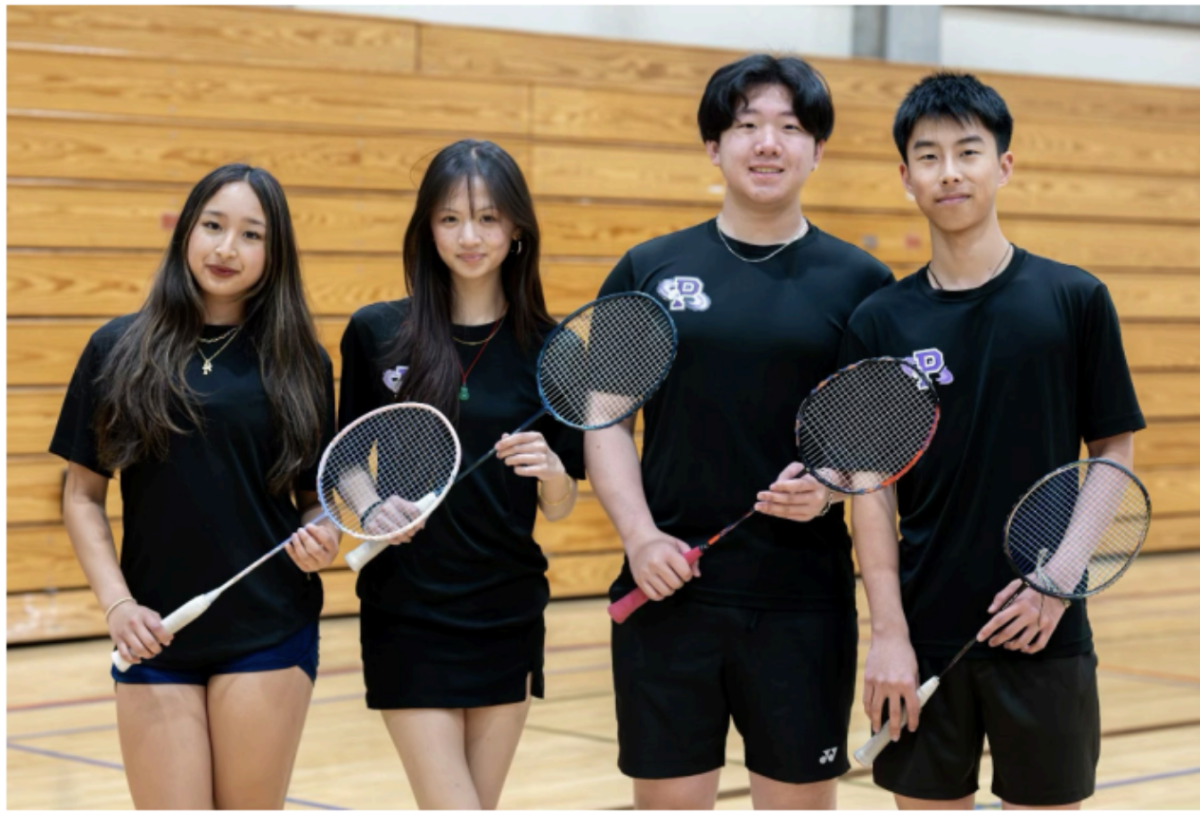
After the responses were collected, a student-led group was formed to help turn the suggestions into action. The School Improvement Group includes representatives from different grade levels (Hallie Burden and Lila Rosen (senior), Raffaello Banin and Milo Stevenson (junior), Edita Elmquist and Cassidy Carter (sophomore)) and works with students, staff and the community to decide which ideas are realistic and how they can be carried out. Journalism teacher and advisor for the group, Beth Black, helps give the group a structure for moving forward.
One of the first goals was to respond to the cafeteria suggestions.
“A lot of people asked for salt and pepper packets at lunch, so that became our first goal,” Stevenson said. “It was a small change, but it was something students would actually notice.”
To help pay for supplies, the committee raised $500. Donations from parents and students also helped make the first changes possible. Pepper packets were easier to add than salt. Since Piedmont High’s cafeteria must follow federal school meal nutrition standards, it must stay within weekly sodium limits for student lunches. For grades 9–12, USDA rules currently cap lunches at an average of less than 1,280 milligrams of sodium, a limit that will become stricter in 2027. Because of that, salt packets are still being reviewed, and the committee is exploring sodium-free salt options for next year.
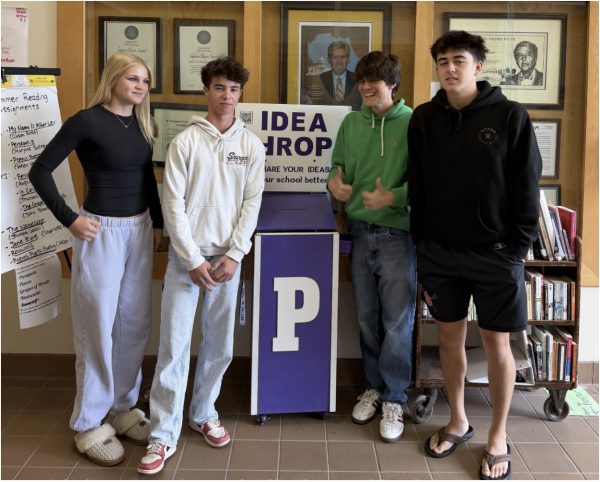
The group has also helped bring attention to larger student requests. Students repeatedly asked for more places to sit, especially during lunch, and for the library to be open more consistently.
Other changes also reflect issues students raised. The parent group has donated additional benches for campus, and Yoshihara communicated in May that next year the library is expected to be fully staffed. For students, that would mean a more reliable place to study, focus, print work or spend time during lunch.
For many students, these changes matter because they show that the suggestions were read.
“I think it’s nice because it shows they actually looked at what we wrote,” said junior Carmen Botero. “It makes people more likely to put in ideas next time.”
The changes may seem small individually, but together they show how student voice can lead to real improvements. A pepper packet, a bench or an open library may not transform the whole school overnight. But each one shows that when students are given a way to speak up, their ideas can move from a piece of paper in a box to something visible on campus.
“Even if the change seems small, it matters because it came from students,” Carter said. “The whole point is to show that when people speak up, changes happen.”
As the year wraps up and the two senior members of the School Improvement Group, Hallie Burden and Lila Rosen, prepare to graduate, the group is looking to recruit two new members.
“We hope to recruit one incoming freshman and one incoming sophomore for next year,” Elmquist said. “Anyone who is interested should reach out to any of the members of the group.”
As the School Improvement Group continues its work, the Idea Drop is becoming more than a suggestion box. It is becoming a reminder that students often know what would make their school better, and that sometimes, real change starts with simply giving them a place to say it