
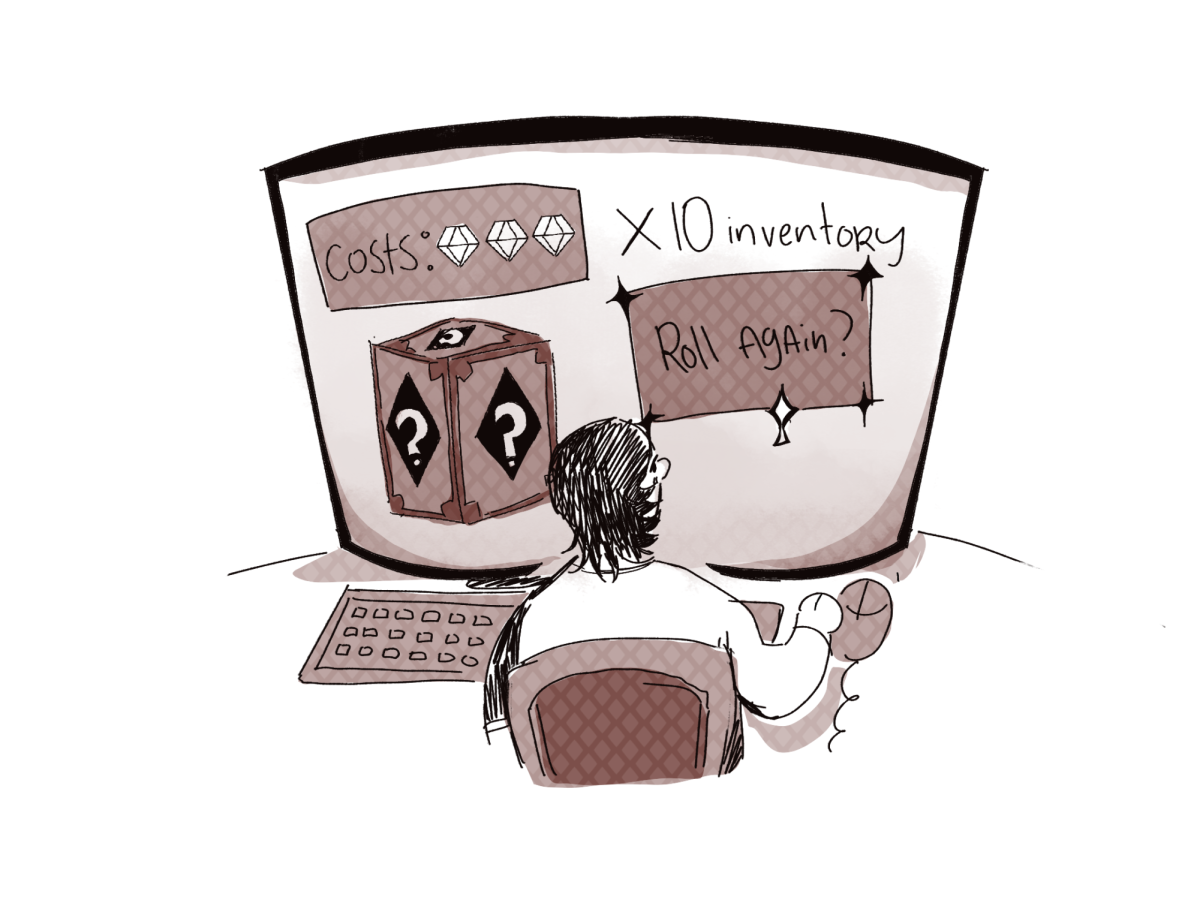






For the past decade, technology has been a fixture on desks across PUSD. As the Board of Education conducts a comprehensive technology audit, scrutinizing how students use devices, the digital cat-and-mouse game of exploits has become more apparent. As technology administrators implement guardrails to maintain academic integrity and classroom focus, students continually seek workarounds.
Staff members of TPH recently reproduced technical exploits that would enable students to cheat or consume off-task content during class. The bypasses involved elements of Respondus LockDown Browser, used to administer secure online tests in Schoology and AP Classroom, and Hāpara Teacher Dashboard, used to monitor and restrict student browsing during class. There is evidence that students, including those attending PUSD schools, have taken advantage of these exploits.
“There are more exploits going on now than before,” said PUSD Instructional Technology Director Stephanie Griffin. “I don’t think students are smarter now, as much as they are more motivated.”
Most students fully comply with PUSD’s Responsible Use Policy for Technology Resources, which prohibits attempts to bypass security filters, academic integrity boundaries, and more, and specifies punishments for such attempts. But a small group of students who take advantage of technology workarounds can pose a problem.
“We wish more students would do the right thing, but we need some guardrails for that ten percent [who don’t obey the policy],” PHS Technology Coordinator Jana Branisa said.
When an exploit is brought to light, technology administrators quickly begin coordinating a technical response, often involving collaboration with the affected software vendors.
Griffin said the school district has moved away from using certain apps or modified their functionality when bugs haven’t been patched in an acceptable manner.
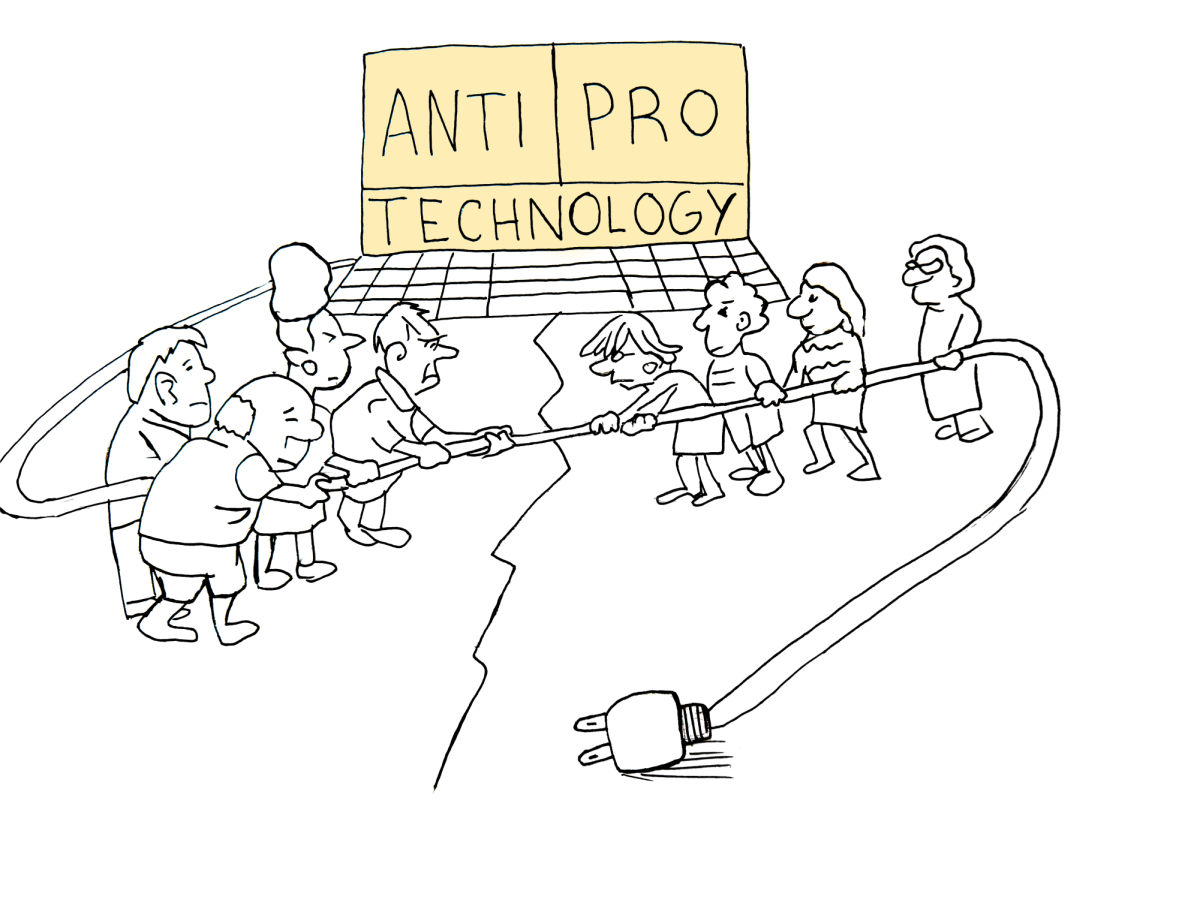
However, this continuous technical back-and-forth has prompted district administrators to look beyond the software entirely to evaluate where the widespread presence of devices remains effective. The technology audit launched this spring involves examining non-instructional device usage to determine whether there is truly added value.
“The appropriate medium should match the goal,” Griffin said. “We’ve been using these devices for a decade, so it’s time to ask whether they are really contributing to learning.”
While the district scrutinizes the added value of digital tools, teachers on the ground are weighing those realities daily. Social studies teacher David Keller has weighed the impacts in his AP United States History and Civics classes, administering tests on Chromebooks during the 2024-2025 school year and on paper during this school year.
“When teachers use LockDown Browser, it can create a false sense of security,” Branisa said. “They might not be proctoring as actively because of that.”
Moreover, a shift from managed Chromebooks would add yet another layer to the enforcement of personal electronic devices. Although the use of personal devices is strictly prohibited, Keller said he sees many students continue to bypass filters by bringing their own laptops to class.
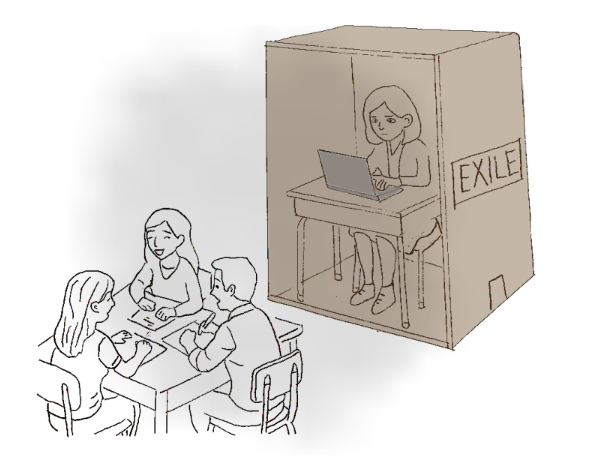
These problems could also be addressed by discouraging behaviors such as disengagement in class or attempts to gain an illegitimate advantage on tests. For example, for students who are continually distracted in class, the technology department can restrict their web browsing capabilities to only a select list of permitted websites.
“The deterrent is that we make an example of students so that they tell their classmates, ‘I’ve been penalty boxed,’” Branisa said.
However, a historical lack of visibility and structural follow-through has made this accountability more difficult.
“Because we haven’t been as clear about going after students when we see bad behavior, people might think that they can get away,” Griffin said. “We need to follow through.”
Keller said that while it’s important to communicate to the classroom community that rules are being followed, the school hasn’t provided a system that consistently gives teachers clear evidence of cheating.
Some of this struggle to maintain consistent accountability and help teachers curb bad behavior stems from budget restrictions and understaffing. Recent reductions have cut the number of administrators at PHS from three to two, while MHS has only one.
“We’re putting out fires in multiple places,” Branisa said. “We can put out the fires in one place, but if we don’t follow through, the arsonists will start fires in other places.”