













Scattered across students’ desks and tucked into backpack pockets are cans upon cans, yellow and shiny, flaunting hollow promises of energy on their crumpled logos. Students scroll on their phones at lunch, seeing Celsius ambassadors hold their gleaming cans next to their polished smiles, while others scan the aisles at Mulberry’s, clutching Red Bulls in shaky fingers. Over the past few years, through social media’s glamour and seemingly endless sponsorships, energy drinks have made their way into students’ hands and minds alike, pan-America and well into Piedmont.
Senior Evrim Duransoy said that he mainly drinks Monster and Celsius which serve as a boost for tiring classes.
“[I drink energy drinks] because I get tired and I’ve fallen asleep multiple times during Art History,” Duransoy said.
Similarly, senior Ryan Dicke said that he struggles to stay awake and that energy drinks help him do so.
“I drink [energy drinks] to stay alert so I don’t fall asleep in class and to get work done,” Dicke said. “If I have two super important things in a day I might drink more.”
Senior Luke Mcaullife said he drinks energy because it helps him stay awake and makes up for his lack of sleep.
“I always end up waking up early and going to bed late on weekdays, so I think I probably consume energy drinks because I just gotta stay awake,” senior Luke McAuliffe said. “It helps me make up for a lack of sleep. I don’t think it’s healthy, I wish I didn’t drink energy drinks but I feel that in order to perform both academically and physically I need something to get me through.”
McAuliffe is a student-athlete, meaning that his afterschool time is consumed by travel times and long practices. He said that in order to manage his lack of sleep, his practices, and completing his work, energy drinks have become a necessity.
“I’m up really late because we don’t really have any pool time near the high school. So if you have an hour and 10 minutes of driving and you’re there for two hours and your practice starts at 6, it’s a little tough to get your homework done. I’m taking a lot of classes and I’m getting back at like 8:45 so I’m not really getting much sleep,” McAuliffe said. “I probably drink one and a half [energy drinks] in a day, but I wish I didn’t have to.”
Patchen said that she also has felt like she had to double up on energy drinks, increasing caffeine intake beyond one can per day.
“I usually have one a day but if I have work after school I’ll have a second one, or if I get really tired halfway through the day I’ll have a second one,” Patchen said. “I get [energy drinks] in the morning before school, or sometimes on the weekends I’ll stock up and buy like five at once.”
On the other hand, many students go to local stores for energy drinks during the lunch rush.
“I get them during lunch at the gas station and sometimes in bulk from Costco,” Duransoy said.
Mulberry’s Market employee Jose Gallardo said that the most energy drinks are sold when students are coming in from lunch.
“We sell the most at noon… in summer we sell around 100 in a day,” Gallardo said.
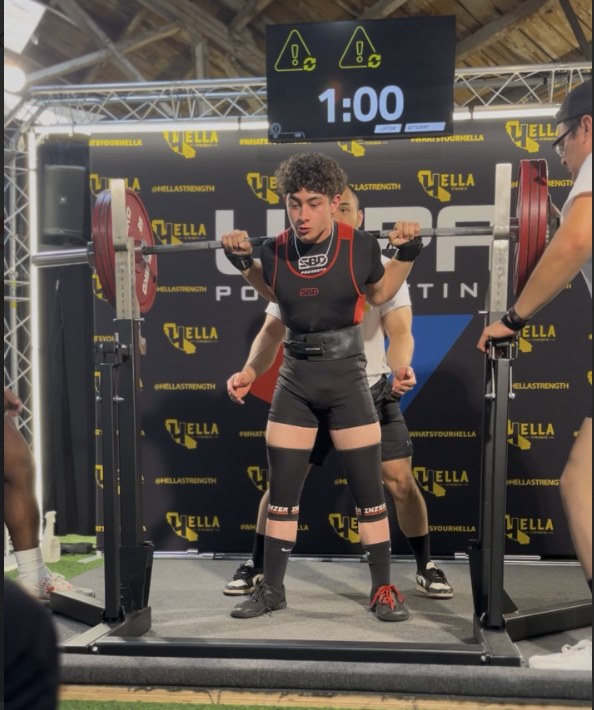
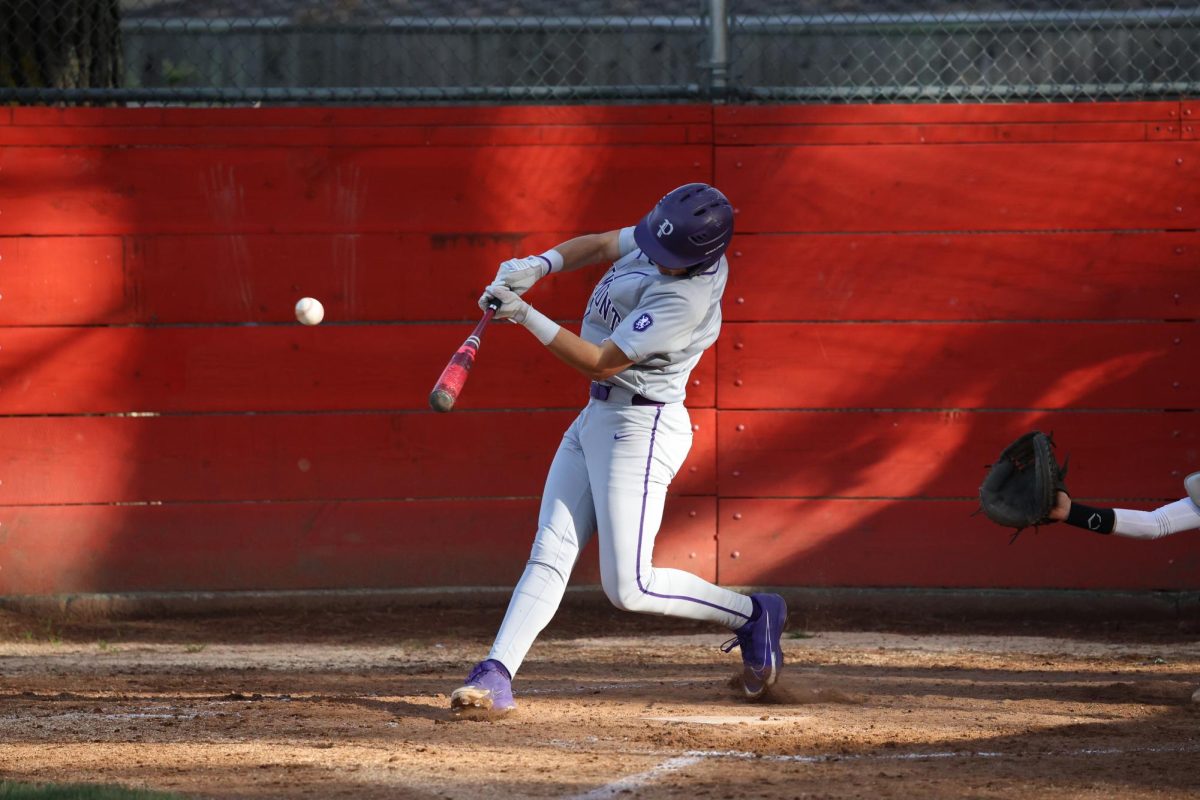
Amidst this caffeine craze, however, PHS itself has partnered with caffeinated drink brand Yerba Madre. At sports games, announcers can be heard thanking Yerba Madre for their generous sponsorship, directly promoting it to students.
“That’s a sponsorship that our Boosters Club went after, so we’ve embraced that and enjoy it,” Athletics Director Tyler Small said. “The CEO of Yerba Madre is a father of a PHS graduate and a current PHS student … a lot of the sponsors we have are through relationships with people within Piedmont or PHS graduates, and it’s a matter of just really working with them to see what they can get out of the sponsorship as well as how they can support the athletic department.”

In terms of his recommendations for students regarding their caffeine intake, Small said that his caffeine guidelines vary for each student.
“There’s always a fine line. There are different studies out there that show the negative side effects of caffeine, and some studies that show it’s sometimes helpful, especially for seniors and juniors,” Small said. “I think it depends on each person, and each person has to know their tolerance, and know how their body reacts to whatever they’re putting in their body.”
According to the Mayo Clinic, 100 milligrams of caffeine per day maximum is considered safe for adolescents. Both Dicke and Duransoy said their daily caffeine intake was around 250 milligrams.
Despite this, Dicke offers words of caution towards other students regarding caffeine.
“[Caffeine] can be very addictive and it’s probably not very good for your heart,” Dicke said. “Be cautious and don’t overconsume.”