












High school students still giggle or squirm when they hear about a girl’s period, when a teacher mentions sex in class; hidden laughs and red faces fill the room. As we prepare students for adulthood, we cannot ignore life beyond academics.
Currently, PUSD’s Board of Education is considering making changes to our curriculum, including eliminating health as a graduation requirement, and they have already added five new weighted classes for this coming school year. Eliminating health as a graduation requirement is a mistake. Health is one of the few classes designed not around test scores or college applications, but around the well-being of students.
Health is more than just a box to check off for graduation. It covers crucial topics that other classes ignore, including stress management, decision-making, body image, sexual health, setting boundaries, and how to navigate conflict. These are everyday skills that affect how students live now and how they will live as adults.
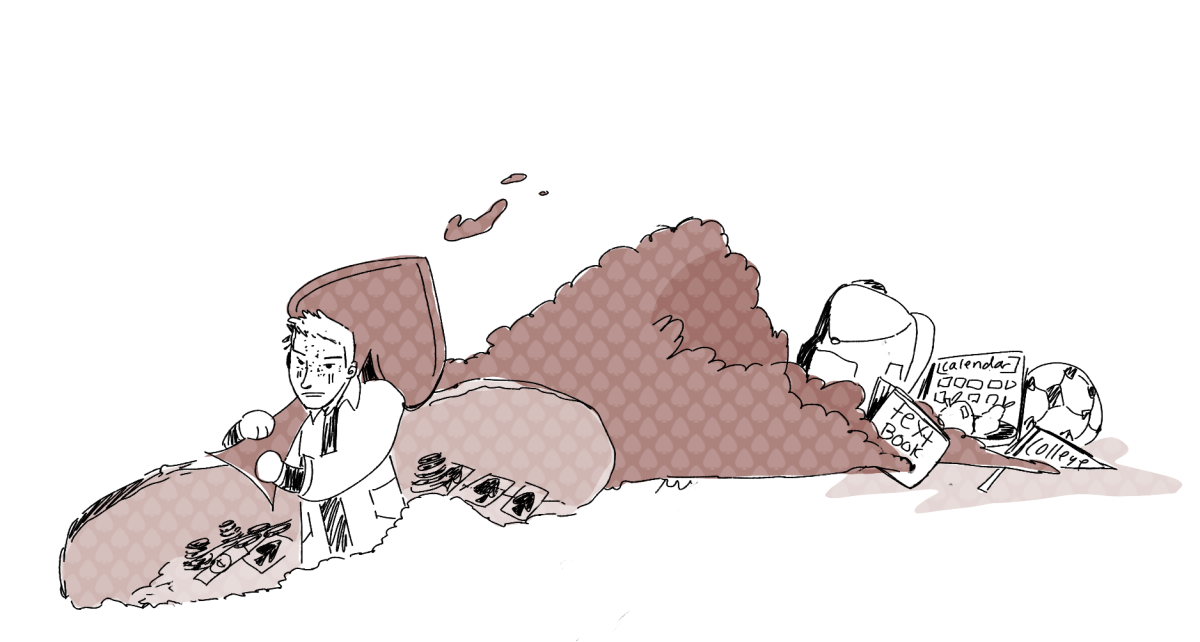
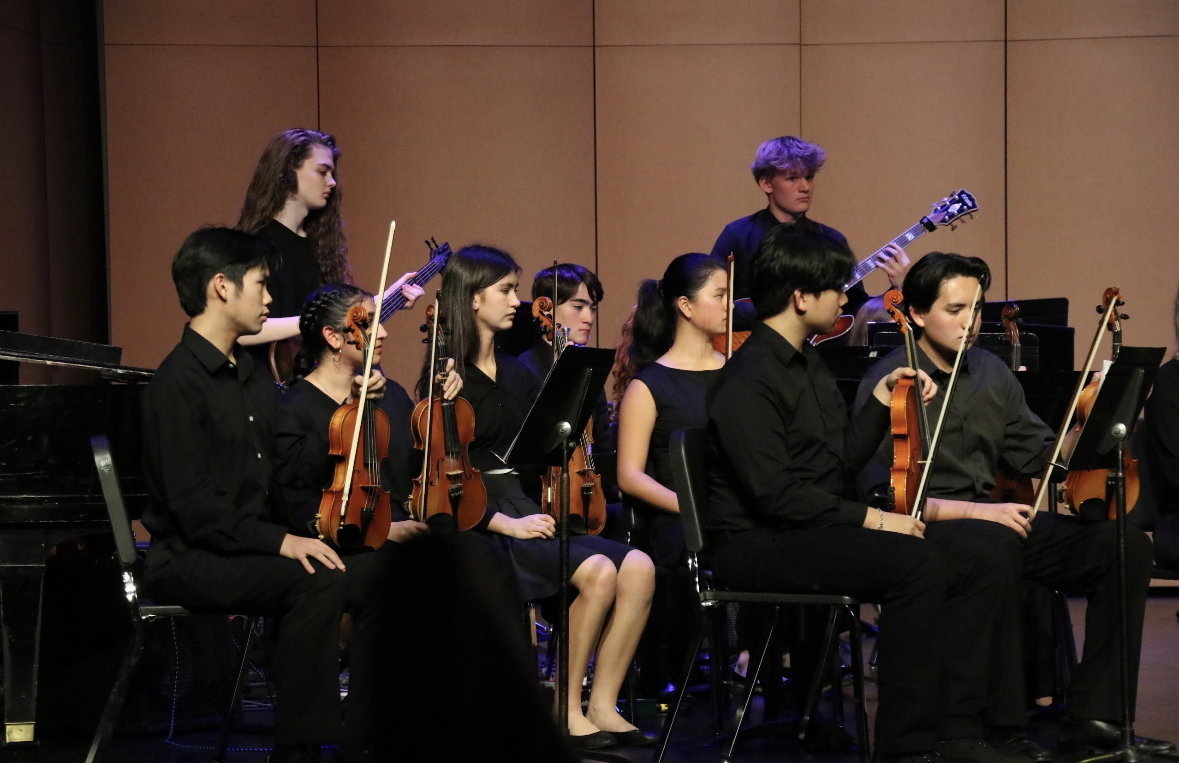
While Health would remain as an elective, it’s clear that very few students would continue to take it. Not because they don’t believe it is a valuable class, but for most students, choosing Health over a growing number of weighted classes actively hurts their college application. As more weighted classes are added, it becomes increasingly hard for students to take classes they are interested in. Classes like Guitar Engineering and Psychology are extremely unique and interesting classes that make this district special but require a GPA sacrifice to take because they’re unweighted classes. In this sense, adding more weighted classes actually reduces students’ flexibility to take classes they are interested in. In an ideal world, students would choose their interests over their college application, but with pressures from friends and parents and the competitive culture in Piedmont, this is unrealistic.
By removing Health and adding more weighted classes, the Board of Education is forgetting its main goal: to prepare students for life after high school. While it is clear that the board wants the best for students, they must be more open to ideas and opinions of how to achieve that.
In the past, a class change would go through a two-year review process by the department of committee chairs focused heavily on fitting our school’s graduation profile. Now, the board has created a data-based rubric to determine the value of a class and has cut teachers out of the process. The original class workshop was held in the middle of the school day, leading to a lack of teacher and student input.
Moreover, at the most recent board meeting, a large number of students and staff spoke and shared their opinion on this issue, all opposing the addition of weighted classes and the removal of Health and Ethnic Studies. I understand that the board must make a decision for the entire community and not every opinion was voiced at one meeting. However, the board must realize that the best way to serve students and teachers is by listening to what they have to say and understanding that the people who know what’s best for the school are the ones who are there every day.
Yes, students want some AP classes. Yes, academic challenge is valuable. But success in school means little if students are burnt out and struggling with stress and anxiety without the skills to manage it. Health class is not in competition with academic rigor; it is what allows students to handle academic rigor in the first place. Multiple times at the Oct. 8 meeting, board members explained that increasing academic rigor and raising expectations is key, and that instead of lowering the rigor we need to raise the support for students to handle the rigor. I actually completely agree with that idea, yet this plan completely contradicts that. Health is truly one of the only supports for students at Piedmont.
I understand the drive for academic rigor. I understand the pressure parents and students feel when college applications get harder every year. But if we continue to chase rigor at all costs, we’re setting students up for failure. Health is the rare class that slows things down, forces reflection, and gives students tools to survive not just high school, but everything that comes after it. It’s time to stop treating student well-being as an afterthought. Health must remain a required class.