





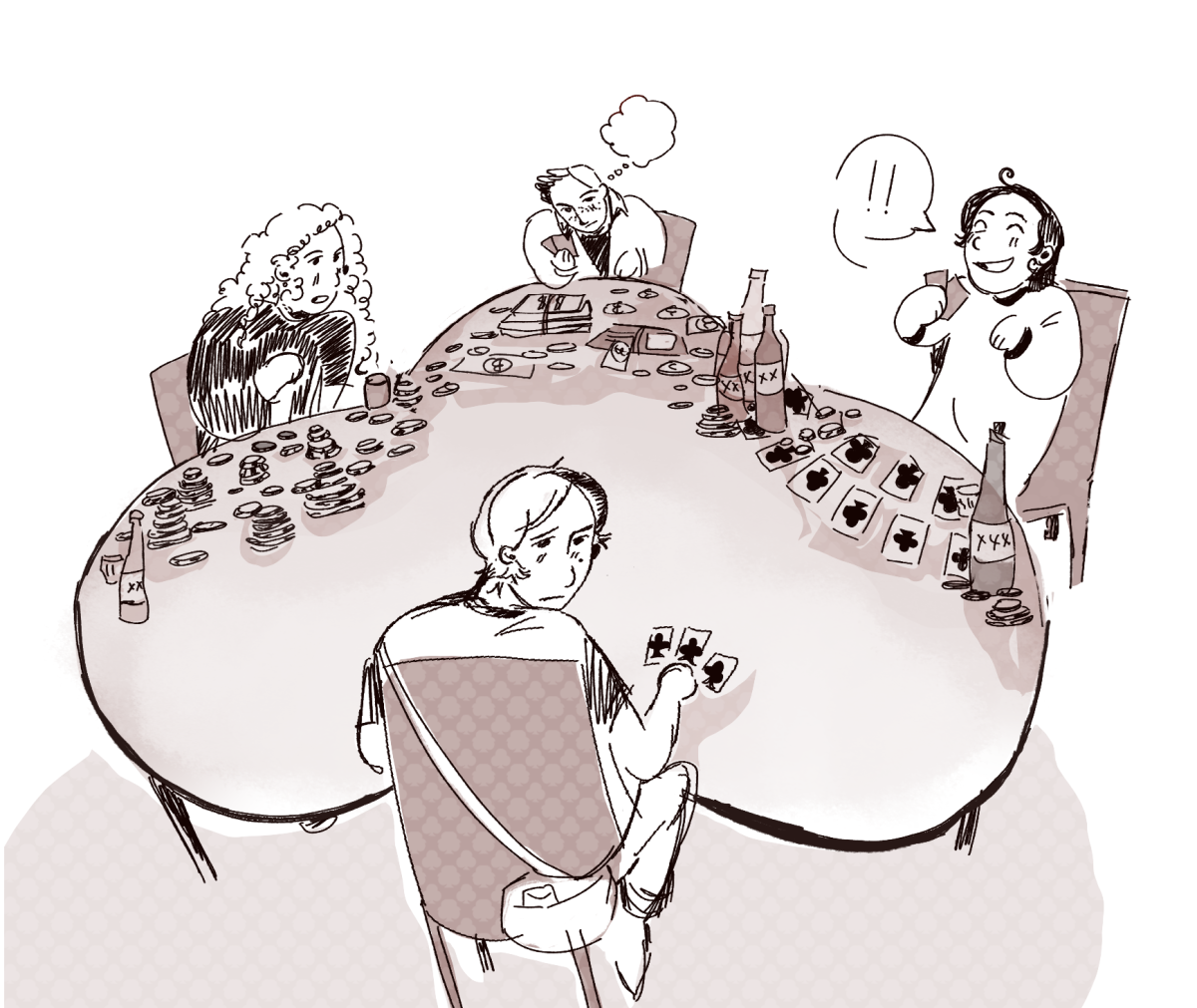
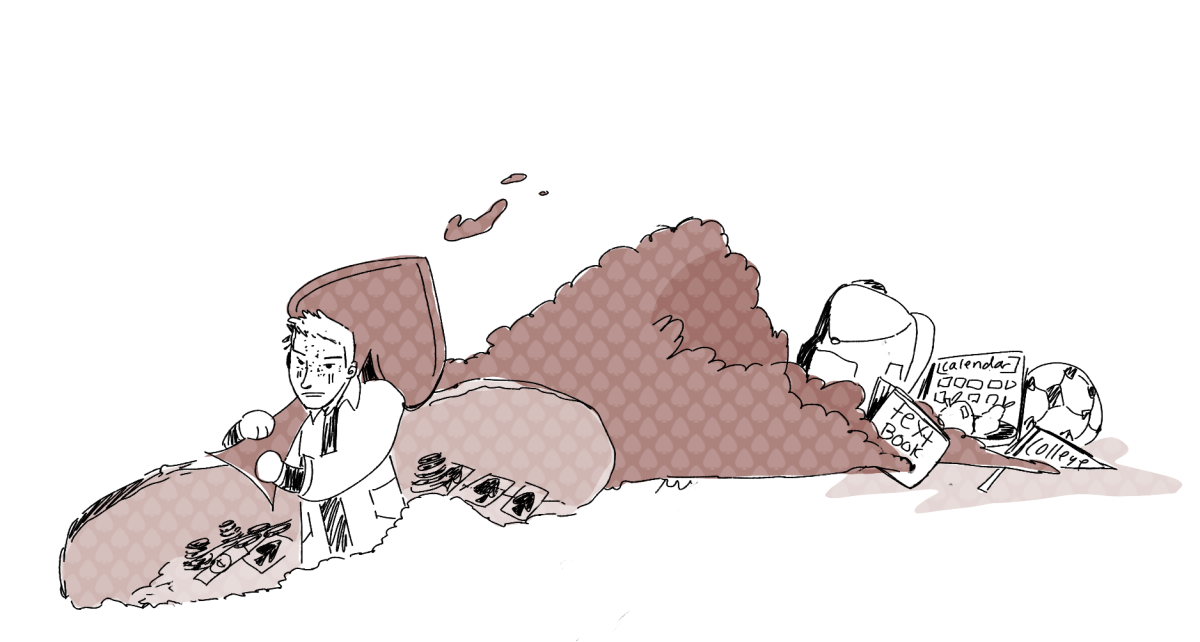













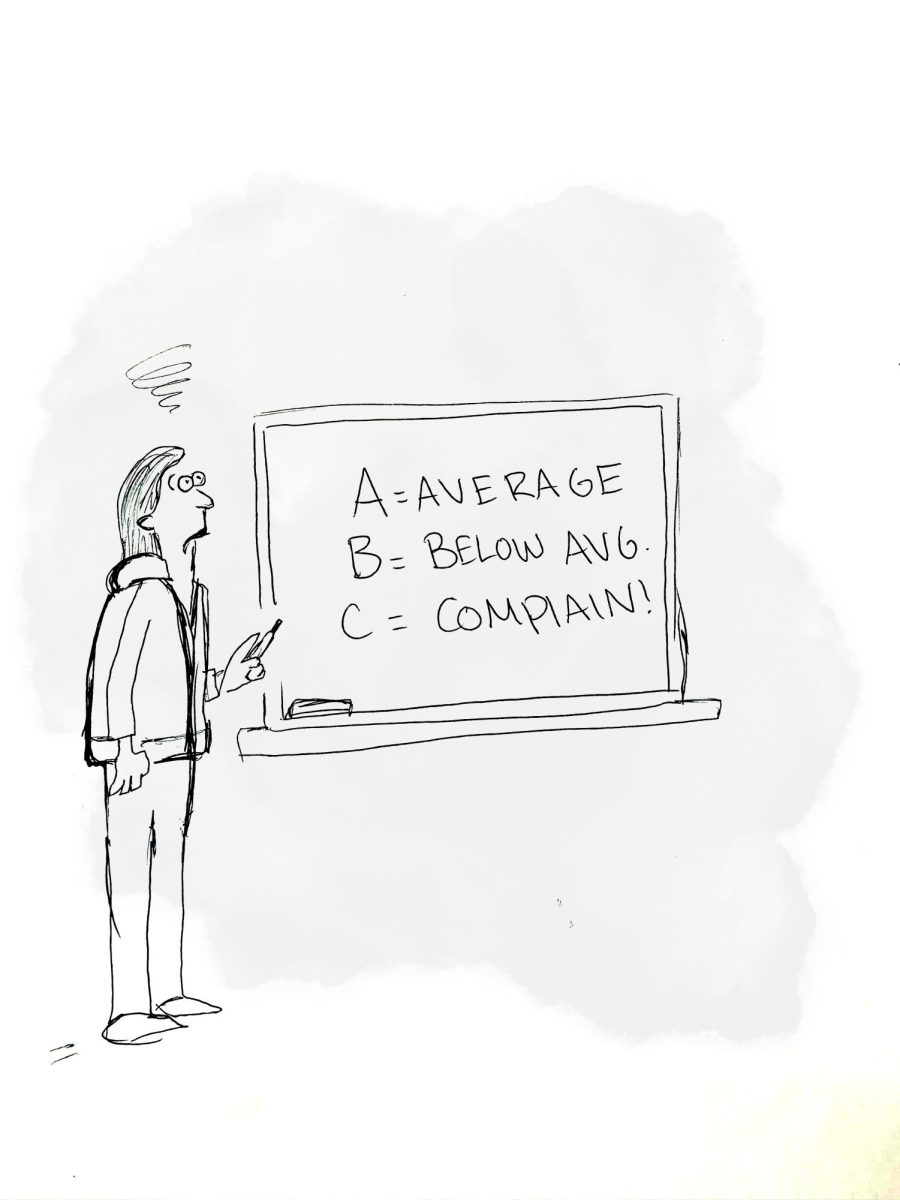
The meaning of “A-level work” varies across subjects where students are being assessed on different general skills. However, the standards for an “A” are also different depending on the teacher, the difficulty of the class, and the grading system used.
“‘A-level work’ is complete, it follows all the directions in an assignment, is thorough, and usually goes above and beyond the basic requirements,” English teacher Jamieson Mockel said.
Science teacher John Savage said “A-level work” depends on the assignment, and in any class there is a standard that the student needs to fully meet. “At Piedmont, the level of A-level work is higher, and so the standard is higher,” Savage said.
With 390 students enrolled in AP classes in 2025, PHS students are consistently engaging in high level academic coursework.
36.5 percent of the senior grade has a weighted GPA between 4.00–4.5 according to the PHS School Profile 25–26.
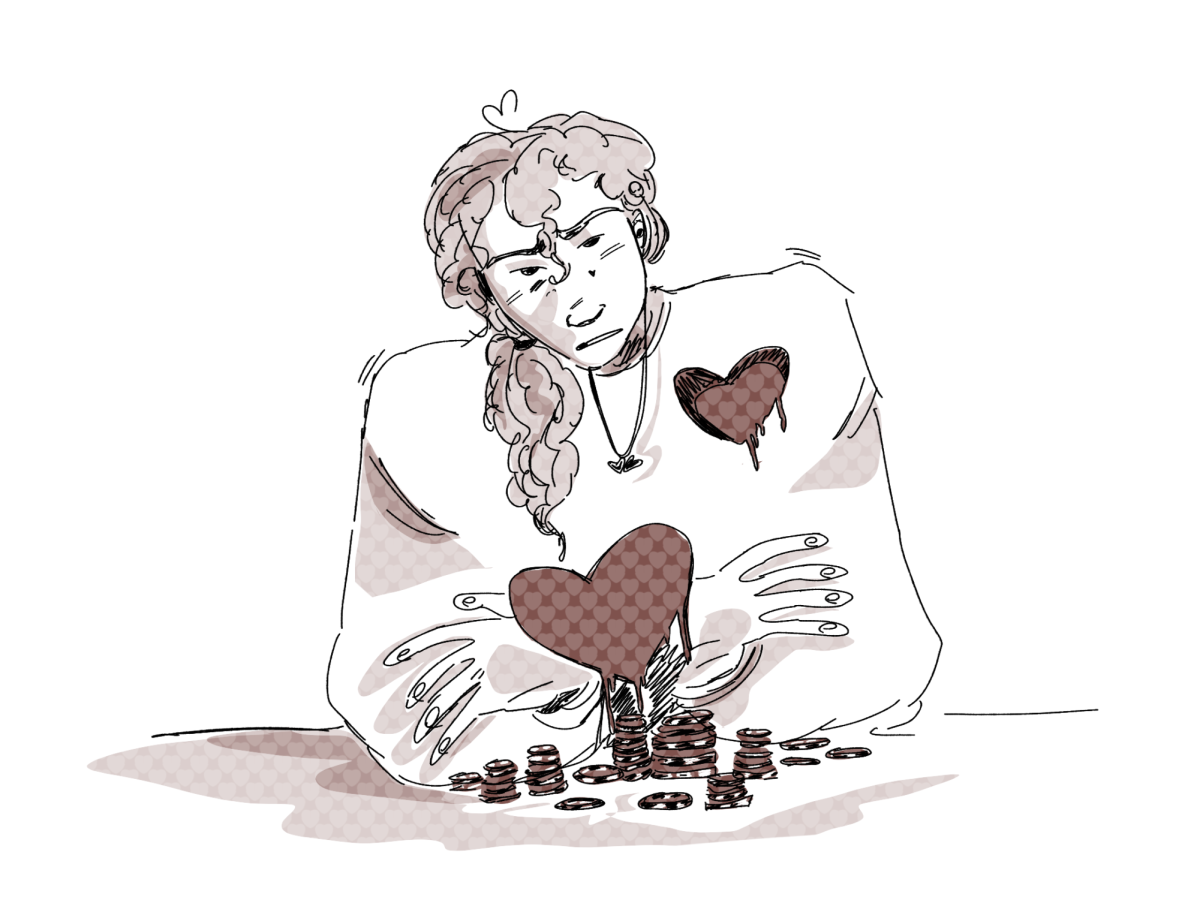
English teacher Mercedes Foster said community members and students commonly associate the number that’s in the gradebook with a student’s skill level in the class, which is not always accurate. “Grade inflation is when the grade in a course doesn’t reflect the student’s skill level or ability as evidenced through assessments,” Foster said.
The topic of grade inflation extends to outside of Piedmont as well, making it recognized among many communities.
Amongst the top colleges like Harvard University, grade inflation has been present as well. 60% of grades awarded to Harvard undergraduates were A’s compared to only 25% of grades 20 years ago, according to the Harvard Crimson.
Throughout the Bay Area, teachers have experienced this. Grade averages in SF Unified School District have risen the past ten years, but none jumped more than roughly a third of a GPA point, according to the San Francisco Standard.
Retired Acalanes High School English and social studies teacher Larry Freeman said that in general, there is a broad misconception of what grade inflation really is and how grade inflation impacts the definition of “A-level work.” This misconception can lead to pressures which jeopardize the honesty of a given A.
“In a way, you’re underscoring a sort of paradox, if not a contradiction which is, you know, ‘We [the community] want more ‘A’s, we need more ‘A’s’, which means there is a pressure to grant ‘A’s to students who don’t achieve ‘A’s,’ which waters down the authenticity and legitimacy of attaining an ‘A’,” Freeman said.
Mockel said grade inflation can take lots of different forms, whether it’s grade rounding, extra credit for a grade boost, or even participation or homework grades in a gradebook. “I think homework can inflate grades; there’s work you can just complete to keep up your grades,” Mockel said. “For me, assessments show where students are really at, and they help me figure out where I need to shift my focus.”
Keller said having homework in the gradebook can strongly benefit students. “The thing that’s really helpful about homework is that if everything is based on tests and essays and stuff, we’ve seen grades really plummet,” Keller said. “Having some kind of homework is a little bit of a buffer for students.”
Alongside homework’s role in keeping grades steady, some teachers also let students retake tests to give them another chance to demonstrate understanding. “Because I teach honors and AP classes, I allow 1 retake [in my Honors Math Analysis class] if you bomb a test, but you can only score up to 75% on your retake. So it’s more of a lifeline,” math teacher Tom Palsa said.
Savage said in his honors and AP classes, a student only gets one retake per semester. He said the concept of weighted courses is that they mimic a college level class, but most colleges don’t allow retakes on tests. Since his students are high schoolers, he understands that they might have bad days or not fully understand the material he is teaching, so he offers the “olive branch” of a test retake.
“When I have taught the introductory level classes, I typically offer more retakes because it’s ‘Hey, we want to encourage learning, we want to encourage understanding, etc,’” Savage said. “And usually in my higher level classes, there’s actually, to be honest, not as much of a need for a retake for kids to do well.”
Teachers have different philosophies and ideas about grade inflation.
“I have mixed feelings about grade inflation. I’m glad when students can get the grades they want, but when grades are all people care about, it starts guiding them in the wrong direction,” Mockel said.