

















The holiday season is here, Christmas music is playing, trees are up, and menorahs are out. Nov. 1 deadlines seem like a distant memory, but it’s not yet over for the class of 2026. With UC applications just submitted and regular decision deadlines right around the corner, computers are still open with essays plastered across their screens.
According to a TPH poll which surveyed 68 seniors, 80 percent had Nov. 1 deadlines this year, with 43 percent of the seniors of 2026 signing an early decision (ED) agreement and 73 percent applying early action (EA).
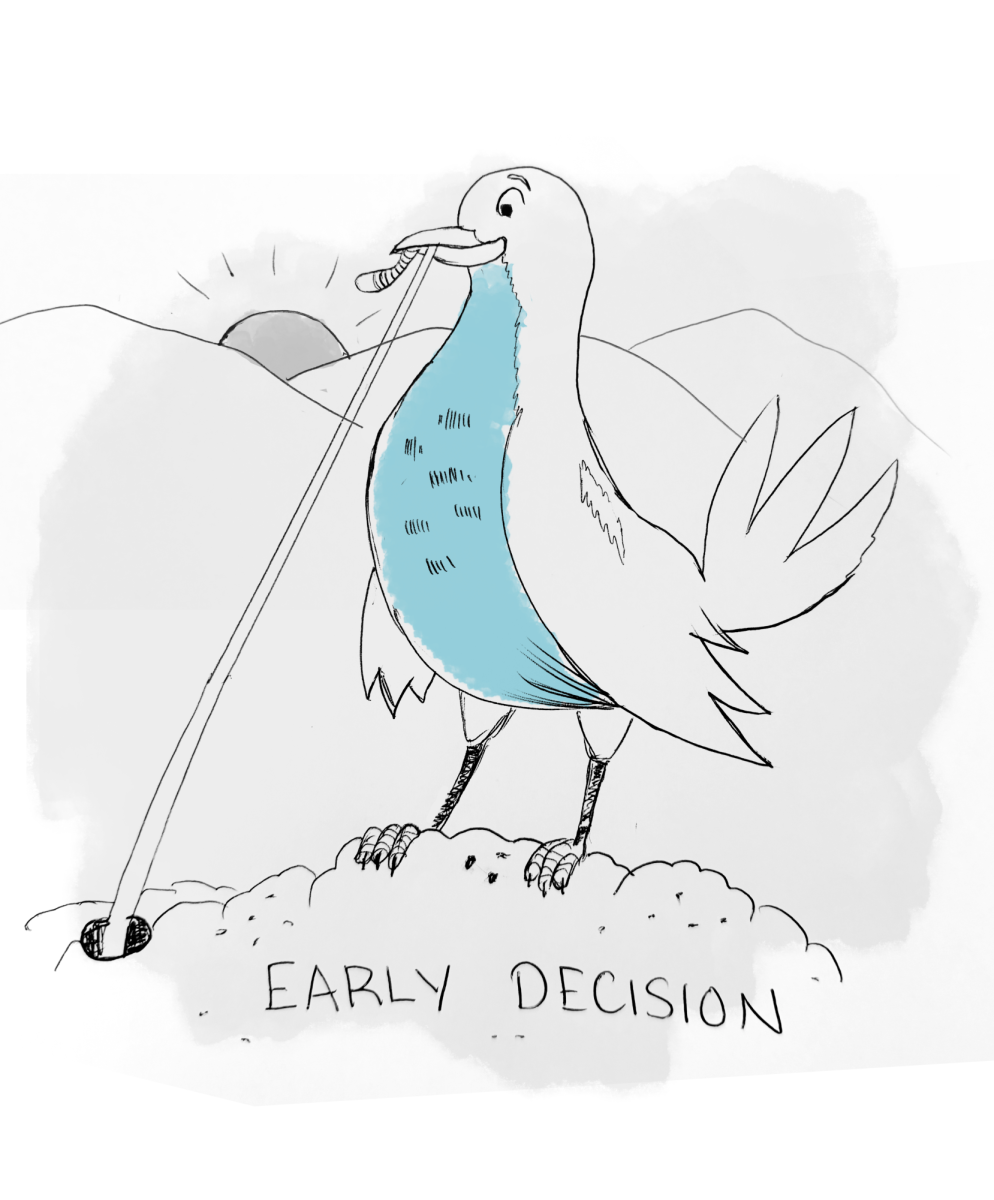
According to College Board, early decision is defined as a binding agreement between a student and a college that states that if the student is accepted, they will rescind all their other applications and commit to that school. Early action provides a non-binding alternative to early decision while preserving the earlier deadline and results.
This year, there has been an increase in the percent of PHS students applying early to colleges, including both early decision and early action.
“About 33 percent are doing an ED in my caseload, which is a little higher than usual,” counselor Chris Hartford said.
According to CollegeVine, a college admissions information website, on average, applying ED results in a 60 percent increase in students’ chances of admission to highly selective schools. For example, Tulane University’s acceptance rate shoots up to 68 percent during the early decision round, but during regular decision, Tulane’s acceptance rate is 14.6 percent, marking a 45.4 percent decrease between the two rounds.
“[People] theoretically ED to increase their chances and to try to get into a school they otherwise would not get into,” senior Elisha Bell said.
Senior Julian Gard said he was stressed about having to choose a specific college and that many of the colleges he really wanted to go to didn’t offer any benefits for EDing.
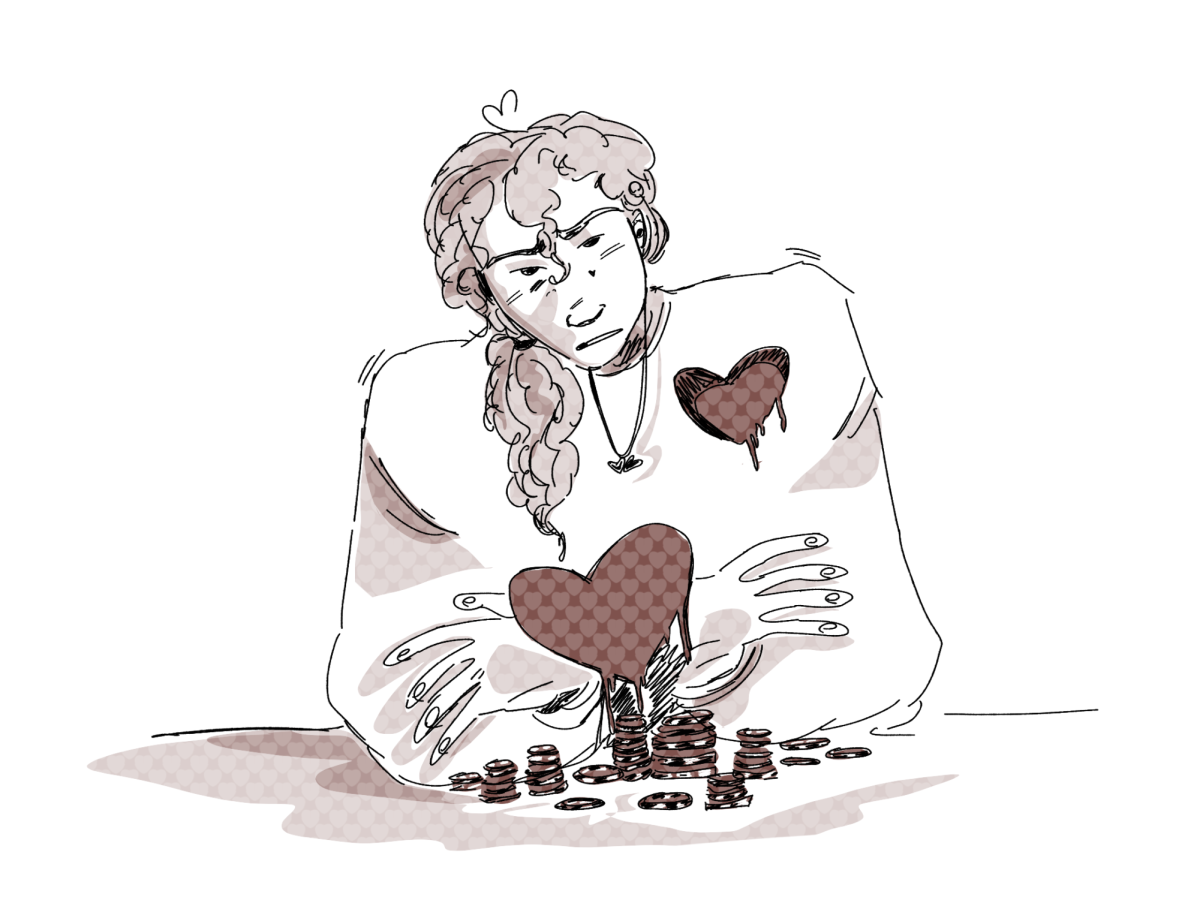
While applying early decision does generally increase acceptance rates, the financial constraints that come with early decision contracts provide another side to the story. When students apply early decision, they must agree to pay their ED school’s tuition in full without financial aid.
“Looking at [EDing] from a financial perspective, it creates a lot of disparity,” Bell said. “Do I think EDing is worth it? For me, yes, but I think it’s a screwed up system, granted I’m buying into that system.”
Senior Evolette Mak, who did not apply early decision, said that the monetary aspect of early decision contracts was a factor in her choice not to ED.
“It’s kind of a let down when you realize you have to pay all that money just to go to a school when you could have gone to an equally good school that would have given you financial aid or was less costly,” Mak said. “It’s a hard situation to be put in as a senior because you are still a kid.”
Bell said that there are a lot of social pressures surrounding early decision during the application process, and they continue to persist even after applications are submitted.
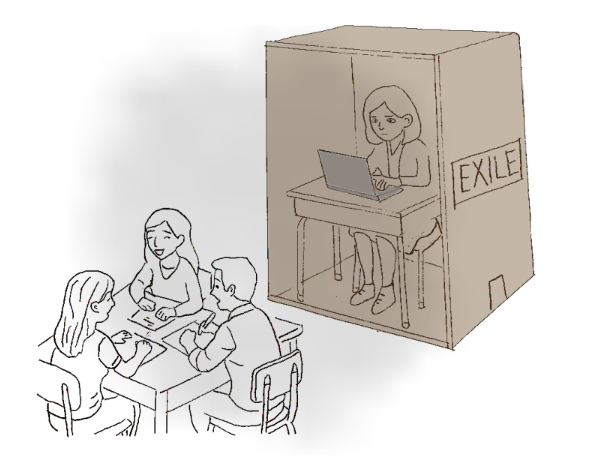
“If you tell people about what college you’re EDing to, it can lead to a sense of overexposure, since other students will know whether or not you have been accepted, which can lead to people feeling a little bit of shame,” Bell said.
Mak said that people will ED to a college regardless of knowing if they really want to spend their life there.
“I think a lot of students, who, like me, don’t really know what their path is in the future and they don’t exactly know which college they actually want to go to, they still ED because of either pressure from parents, peer pressure, or pressure from social media,” Mak said.
Bell said that people will apply ED and EA to schools just so they can know they’re going somewhere.
“There is an increased pressure just to ED in general, especially to a good school,” Bell said. “People don’t view EDing to a mid-tier school as a smart thing to do because then you’re committing yourself to that school.”