

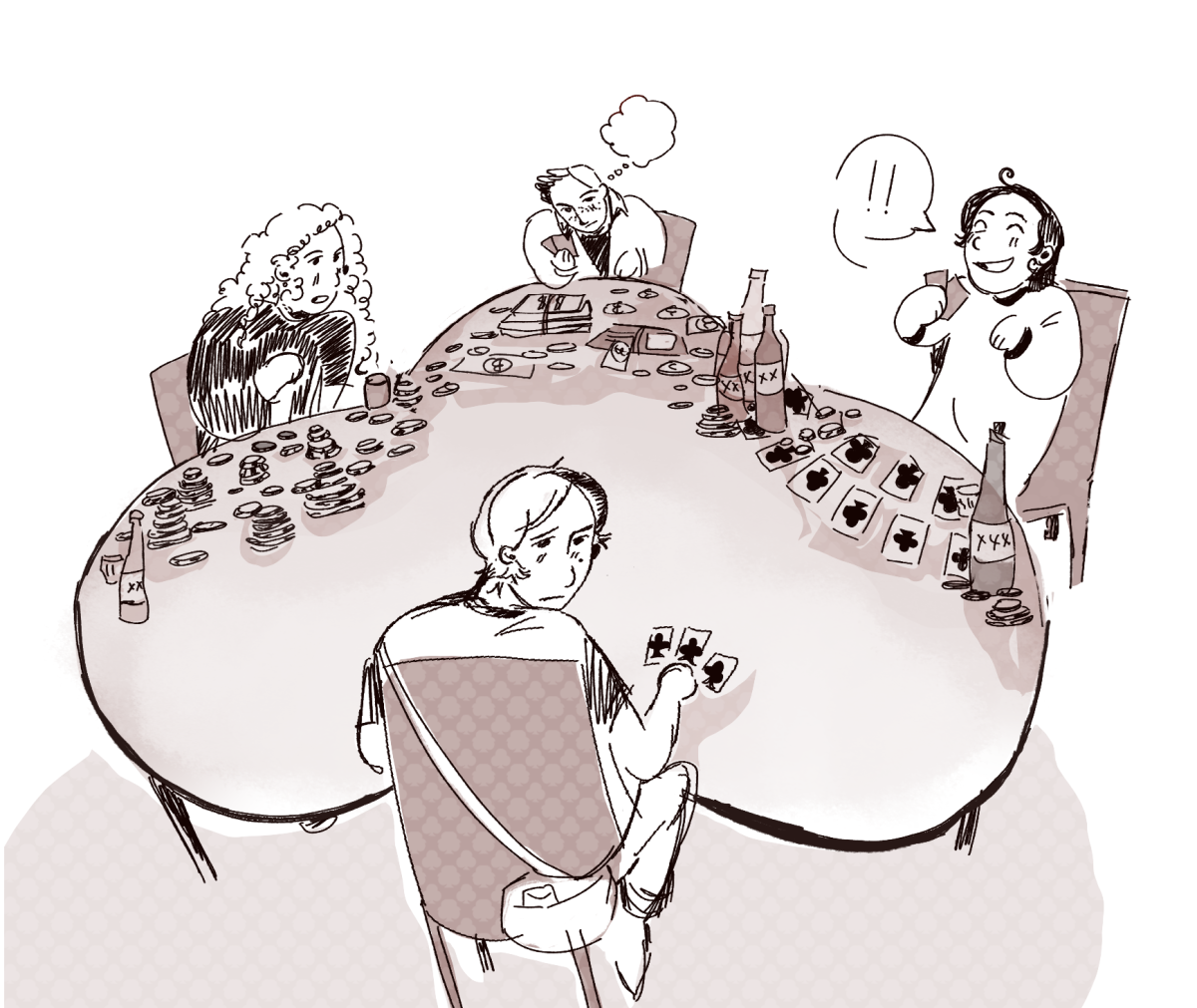
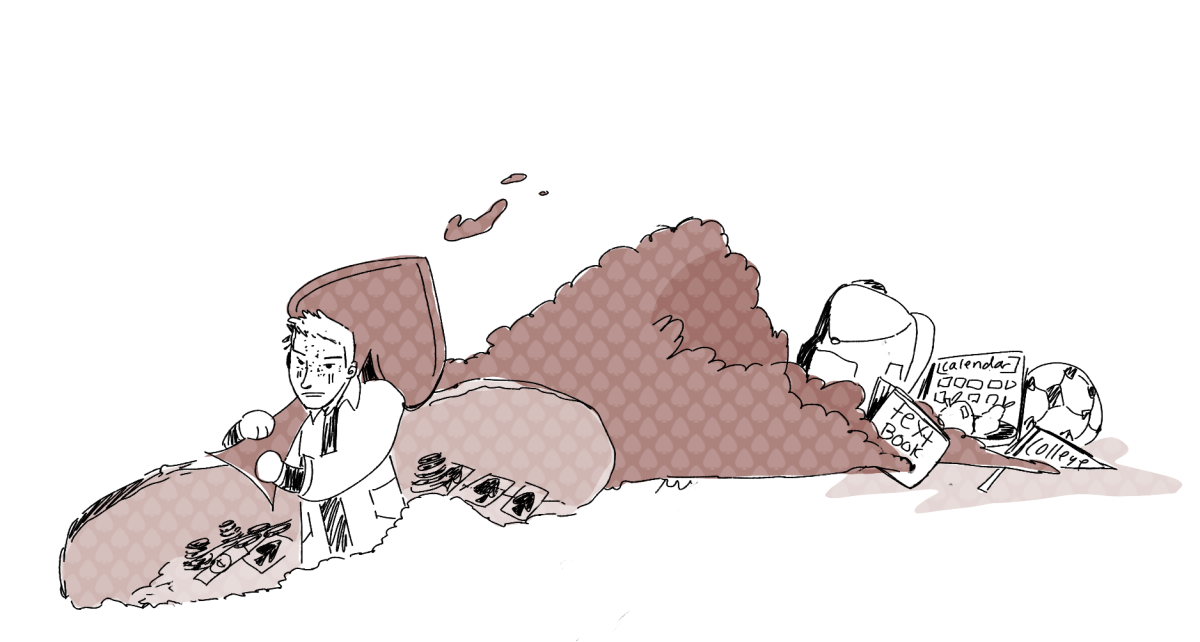
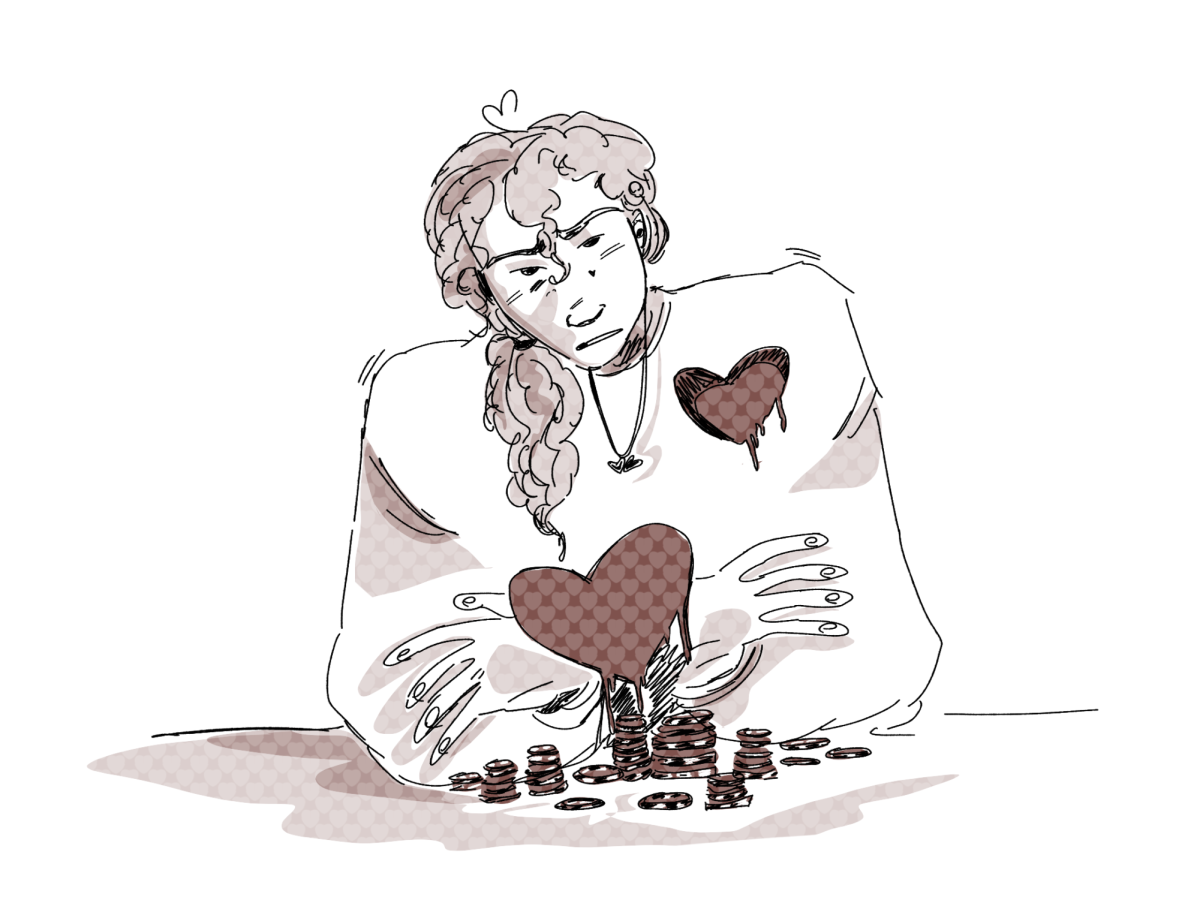




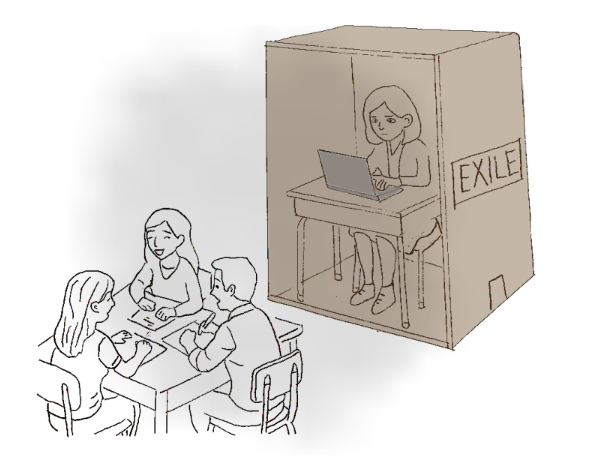




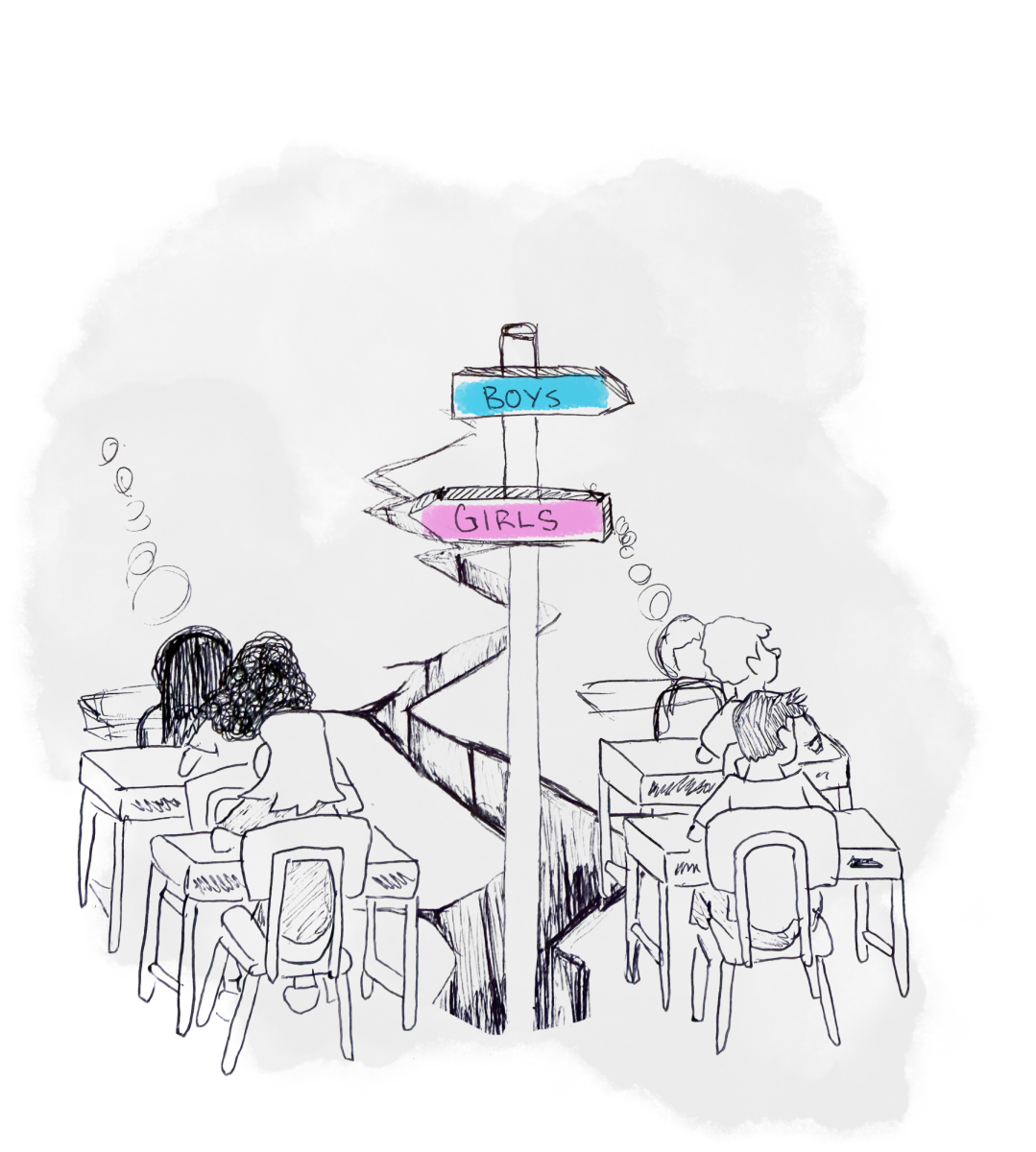
In the wild ecosystem of high school, gender often acts like an unseen current, sweeping some students to one side of the room and others to the opposite side, while steering entire groups into separate academic streams.
“In my English class, there was one side all girls, one side all boys. There was a split right in the middle,” freshman Elly Mak said.
Mak said that with assigned seating, boys and girls are now interacting more, unlike earlier in the year when it was very unlikely to see them working together.
English teacher Hayley Adams said assigned seating does not always encourage interaction between genders, especially during “turn and talks.” “You will see the boys kind of look beyond their elbow partner and just talk to another boy who’s close by,” Adams said.
Having the opportunity to choose where you sit can sometimes be a stepping stone to choosing to work with students of another gender, sophomore Amalia Angulo said.
“With the freshmen, a lot of the grouping is more controlled by me, so I don’t get the opportunity to notice [a gender divide] as much,” English teacher Jamie Mockel said. He added that there is still a tendency for students to stick with their own gender when self-selecting groups, even when teachers intentionally create diverse groupings.
“I try to have a diversity of gender expression in groups, but when it comes to self-selecting groups, it does seem fairly gendered,” Mockel said.
Unlike freshmen, who mostly have assigned seating and groups, older students have more freedom to choose who they interact with. “As you go up through the grades, girls and boys become more integrated,” Angulo said.
Having spent more years together, upperclassmen appear more comfortable interacting with students of different genders. “Unlike freshmen, in the upperclassmen courses, students don’t seem to see as much gender divide in their classes,” junior Derin Sabuncuoglu said. “As we grow in maturity, we start to realize there’s less of a reason to divide.”
Adams said that although students grow closer throughout high school, gender differences still appear in course enrollment. When AP and Honors classes become options, students often divide along gender lines based on the courses they choose.
“Very few boys are typically in honors English, and all my regular English classes are more boy-heavy,” Adams said.
Out of 86 boys and 67 girls currently enrolled in junior English, 36 girls and 22 boys are in honors English, while 64 boys and 31 girls are in regular English. This divide is smaller in AP U.S. History, which has 55 boys and 44 girls enrolled. In contrast, AP Physics C: Mechanics shows a larger gap, with 22 boys and six girls.