














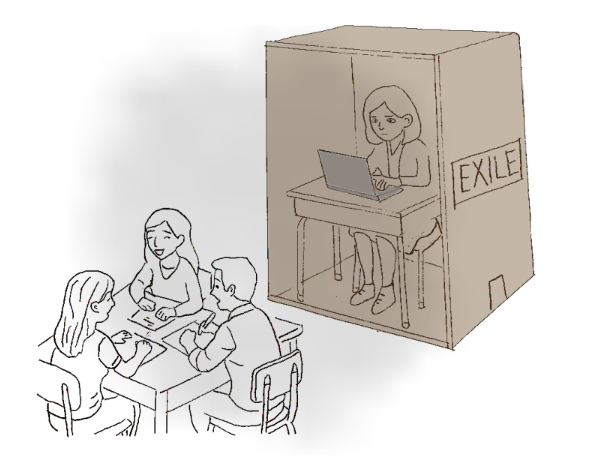





Mean comments, exclusion, micro-aggression, and isolation all contribute to many LGBTQ+ highschoolers contemplating suicide. PHS is working hard to combat this problem.
According to the California Department of Education, schools must require a minimum of one hour of LGBTQ+ training annually to all certified school staff serving grades seven to 12.
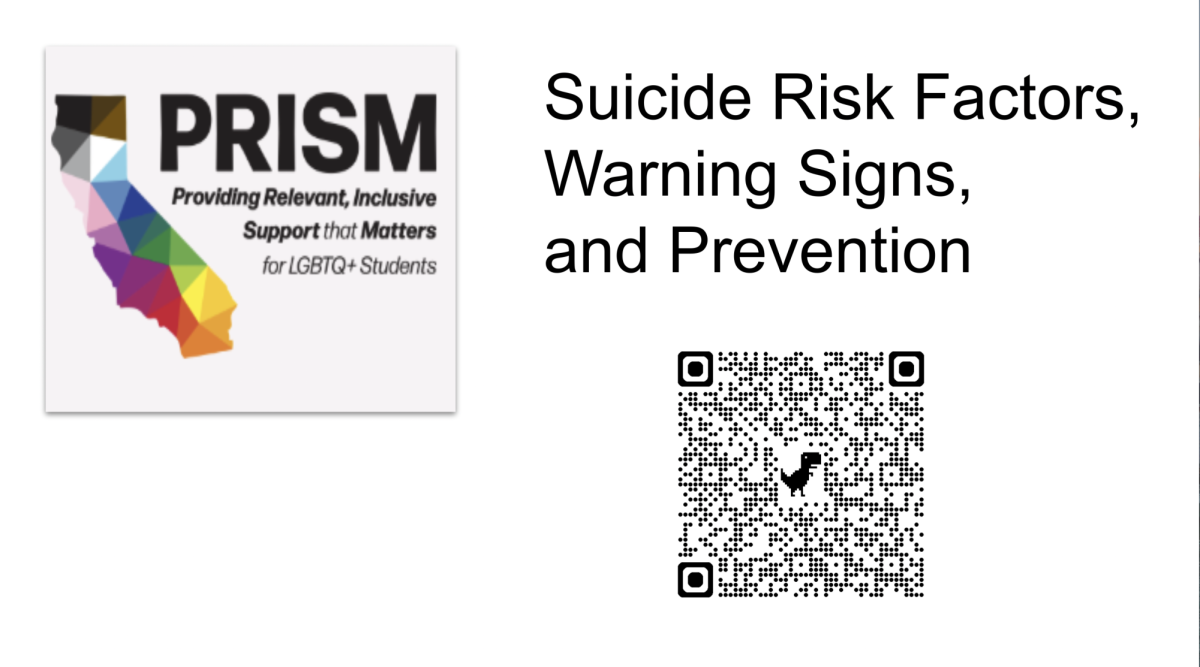
PRISM (Providing Relevant Inclusive Support that Matters) for LGBTQ+ (Lesbian, Gay, Bisexual, Transgender, Queer) is a program created to support students of the LGBTQ+ community.
English Teacher Jamieson Mockel said the goal of the PRISM is to help LGBTQ+ students feel more comfortable.
“It’s not just about raising awareness, we also want to increase sensitivity on how to properly help LGBTQ+ students that may be struggling,” Mockel said.
Mockel said he volunteered to lead a training on LGBTQ+ suicide prevention at the Professional Development in January.
The goal was to inform teachers on supporting students that might be at risk for suicide, and help them recognize the warning signs.
Mockel saida student that suddenly seems very upbeat immediately following a long period of sadness can be a warning sign.
“Some of this stuff seems kind of basic, but sometimes you have to kind of look closely at what people are saying to really get a sense of it,” Mockel said.
Mockel said the focus was on LGBTQ+ students because they are at a higher risk of, but the training applies to all students.
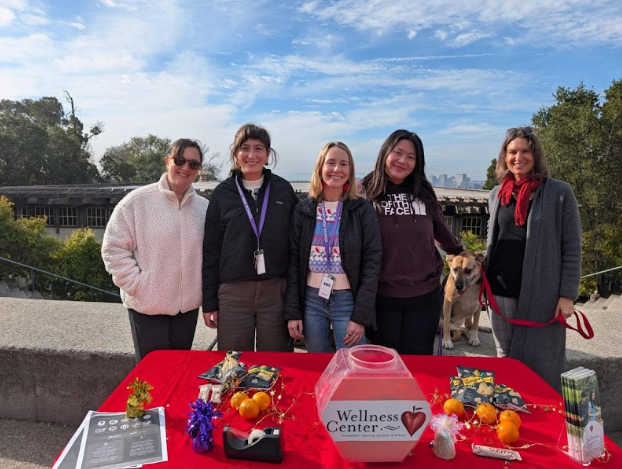
“Statistics show nationally that LGBTQ+ students do face more challenges,” said wellness center therapist trainee Emily Goodwin. “Feeling different, othered, maybe having a hard time sharing that part of themselves with their family, makes it so they are typically at greater risk of suicide.”
According to the Trevor Project, 40 percent of LGBTQ+ high school students contemplate suicide.
“The needs are dire, especially for students who are part of a marginalized community or identity. That just exacerbates stress, hopelessness, and the risk of suicidal harm,” English teacher Eduardo Wolbert said.
Goodwin said that suicide is an issue the school takes seriously.
“The wellness center does deal with students [who have suicidal ideation], and we are always available to support students who are having suicidal thoughts,” Goodwin said.
Mockel said a lot of the training was on a postvention plan for if a student commits suicide.
“If a suicide attempt or a suicide occurs, we need to have a plan in place to address that. Like, how do we respond to the community? How do we come together to promote healing?” Mockel said.
Mockel said that suicide contagion, the idea that if exposure to suicide can increase suicidal thoughts or behaviors in people, isa big worry.
“A lot of concerns come up after [in the scenario] somebody in the community commits suicide,” Mockel said. “So we realized through this process that we don’t necessarily know that we in PUSD have a system, a plan in place, and it is, first off, I think it’s a practical thing that we should have, and it is a legal requirement.”
Wolbert said he feels a lot of responsibility to help students through any grief they might be having due to another student that they know committing suicide.
“I think students would have an intrinsic desire to talk about it, so making sure the feelings are heard, it’s obviously a very hard position to be in, as everyone is feeling very emotionally vulnerable,” Wolbert said.
Goodwin said having individual and small group conversations is key to helping students process what they are feeling.