




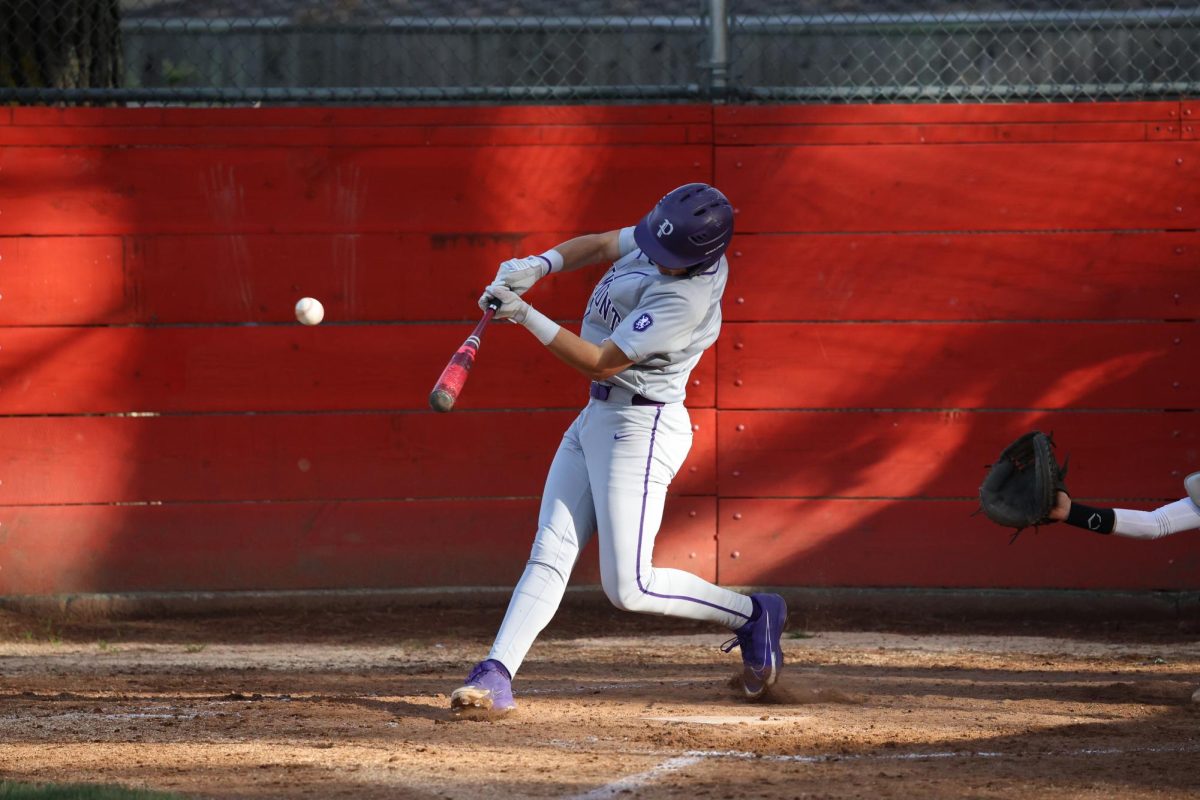












From blowing the whistle on the sidelines to completing behind-the-scenes tasks at a desk, the work coaches do is the backbone of athletic and extracurricular programs at Piedmont, exemplifying true passion and dedication.
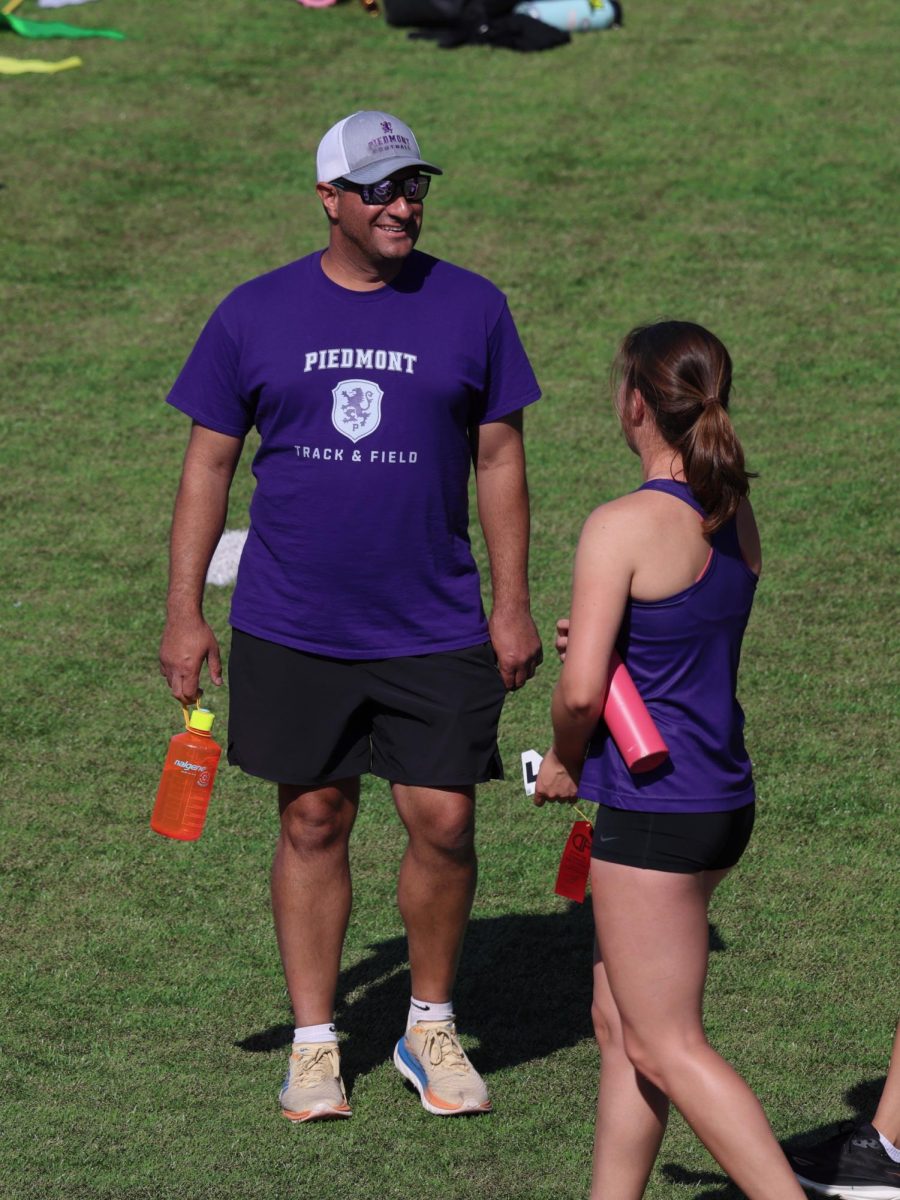
Head track and field coach and JV football head coach Pouyan Assadi said he started coaching because he was interested in giving back to the community. After graduating from college, he participated in many mentorship programs. When he moved to Piedmont, he was looking for similar opportunities, and decided to try coaching.
“A couple of my friends who were high school teachers started coaching once we turned thirty-ish, and it looked interesting. They really enjoyed it,” Assadi said. “I saw a group of kids who were in Piedmont gear going for a run in front of my house, and I thought to myself, ‘this might be the time to get into coaching’.”
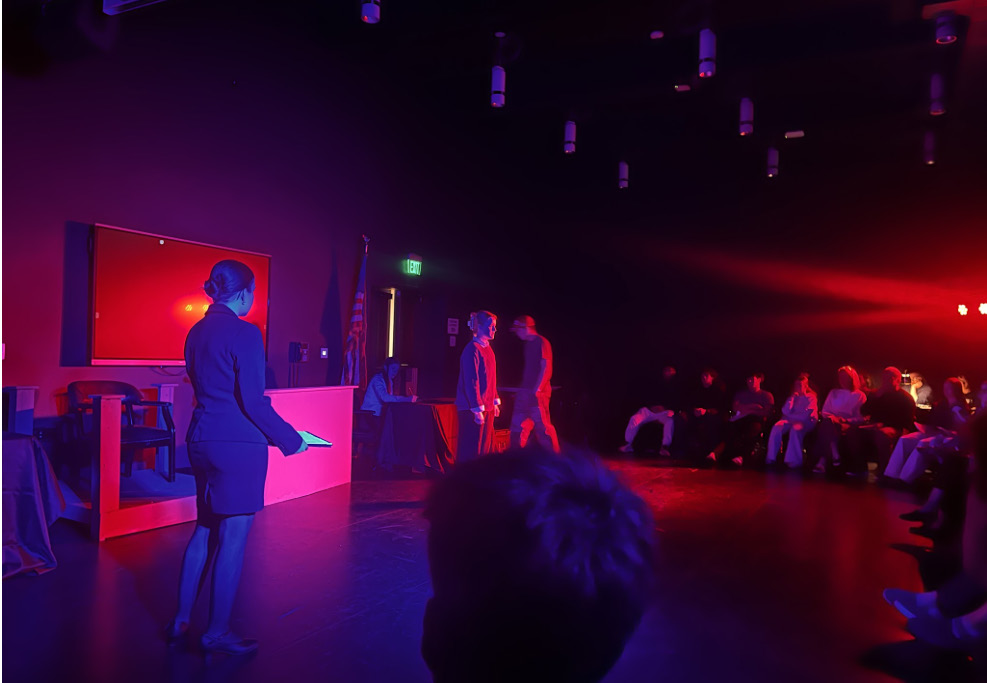
Similarly, debate team coach Holden Carrillo said he started coaching because he enjoyed mentoring other students in high school.
“I think my favorite aspect of coaching is watching kids being dedicated and seeing people being inspired by debate. My goal is always to put that spark into kids,” he said.
Varsity debater and football player junior Matias Seelenberger said Carrillo is a very knowledgeable coach, and helps his students better understand debate.
“[Holden is] extremely patient. He’s willing to explain things three times differently if he has to, until everybody understands,” Seelenberger said.
Carrillo said one of the most challenging aspects of coaching is helping students deal with losses.
“Helping people understand that losses are an actual part of the activity, and everybody loses, and most of the time, people lose a lot more before they end up winning can sometimes be difficult,” he said.
Assadi said being a head coach is a very challenging job. Aside from coaching at practices and competitions, his responsibilities also entail many behind-the-scenes tasks where he doesn’t directly interact with athletes. Such tasks include scheduling, planning out the team’s budget, making sure athletes and assistant coaches fill out the proper paperwork, and signing up for invitational competitions.
“Being a head coach is really hard, so it’s not just about building an entire program from beginning to end, you have to have a vision that you want to accomplish,” he said.
Seelenberger said Assadi is very on top of making sure his athletes show up to practices and games.
“[Assadi] definitely instills commitment in his athletes,” Seelenberger said.
Assadi said he spends 20 hours minimum each week on coaching, about half of which is behind-the-scenes work.
“Making sure that everyone is everywhere, doing as much as they can at all times, it takes more effort than anything I’ve ever done in my life, other than raising a kid,” he said.
Assadi said that while coaches’ pay does not account for off-season conditioning, coaches still run it in order to help their athletes improve.
“You can’t win consistently unless you invest in the off-season,” he said.
Carrillo said that seeing kids get what they want out of debate is one of the most rewarding parts of being a coach.
“Lots of people do debate for a lot of different reasons. Some people do it to win, some people do it to learn, some people do it to have fun,” he said. “Seeing them get the satisfaction that they want, especially if that’s something they’re trying to get towards, is really awesome.”
Seelenberger said the debate coaches have dedicated outside time to help him and his partner, and are always open to questions.
“They’re definitely really committed to what they do, and I think they do it really well,” he said.
Although coaching is very difficult, Assadi said he’s enjoyed seeing the track team grow.
“Watching more and more individuals join the program, not just growing athletically, but the character development associated with that, and seeing just our community grow has been challenging at times, but it’s really rewarding,” he said.
Despite its challenges, Carrillo said he truly loves being a debate coach.
“I wouldn’t trade my job for the world,” he said.