








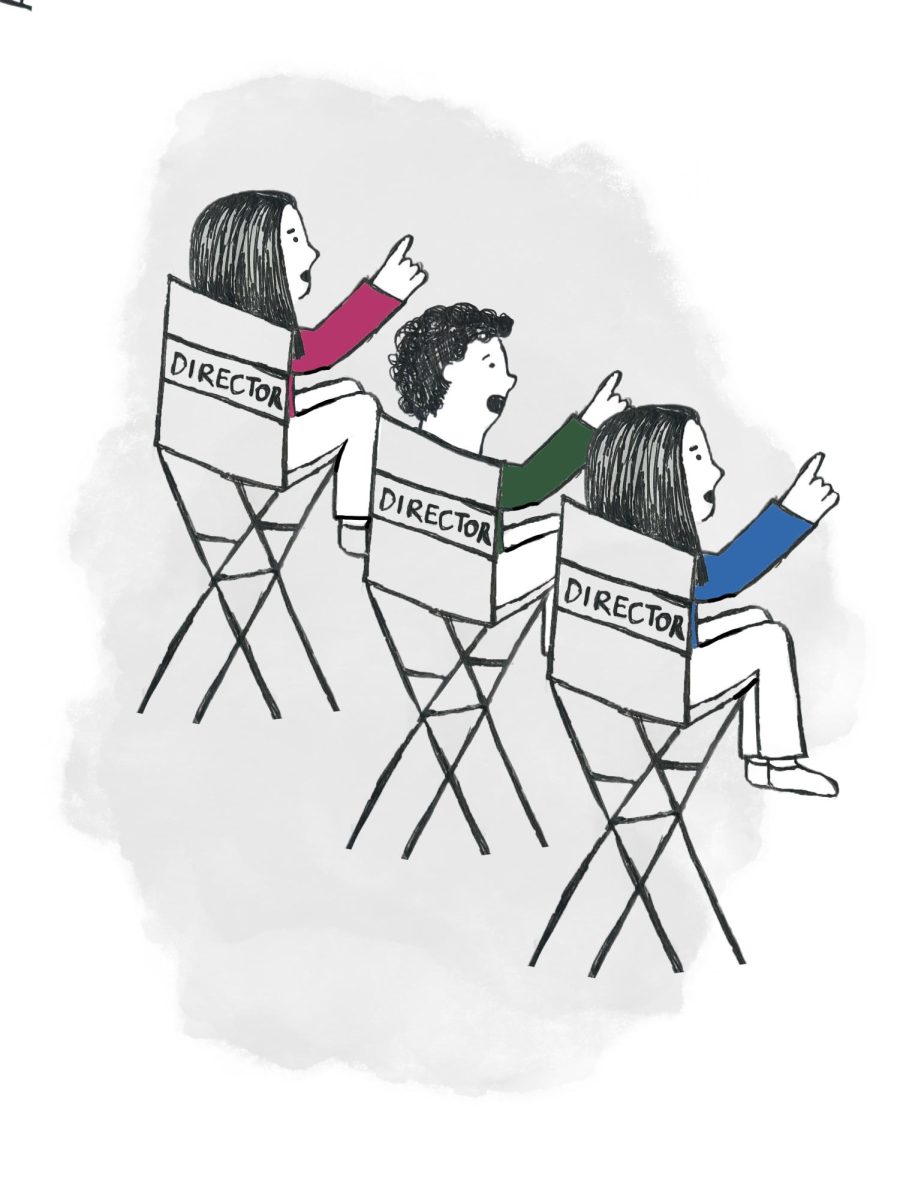
Piedmont’s advanced acting class is not following the script this year. Students have the chance to direct their own plays, and three students have stepped into the spotlight.
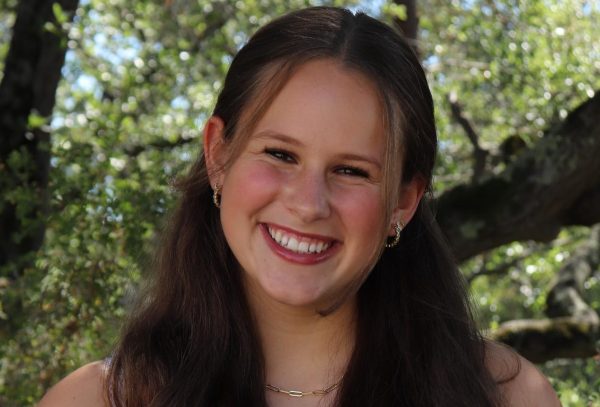
Senior Amelia Addington is directing one of the three student-led productions alongside seniors and classmates Ben Wakefield and Sacha Andrews. Addington is part of a new shift in the acting program that allows students to step into leadership roles once only reserved for teachers.
In recent years, Andrews said, acting teacher Kim Taylor has increasingly handed creative control to students, adapting each semester based on their interests. The result has been a series of ambitious and personal productions that push students into directing, writing, and production management.
“Ms. Taylor does what we want to do,” said advanced acting student, senior Alison Atanasio. “If we want to do a play all together she’ll do that. But if we want to do one show in the fall and then do something different in the spring she’ll have us do that.”
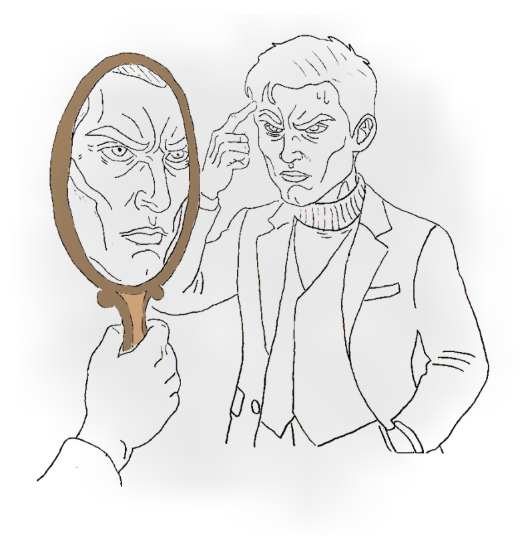
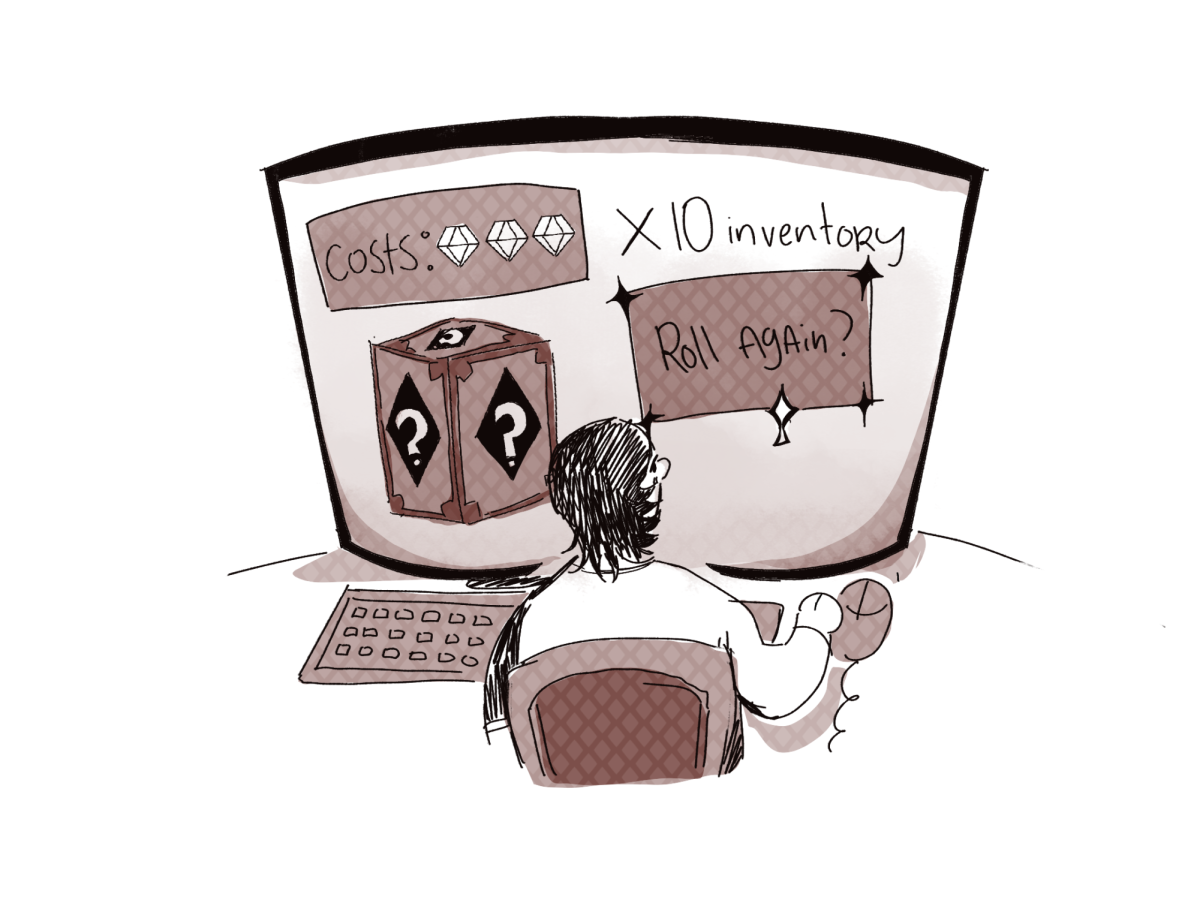
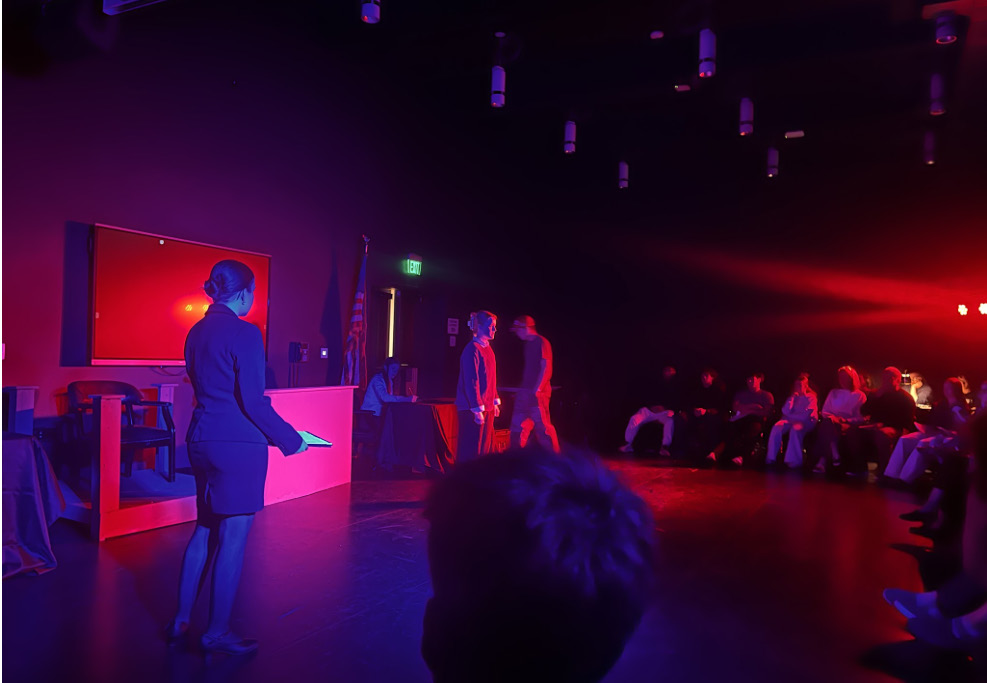
This freedom has led to three very different productions. Addington is directing Eurydice by Sarah Ruhl, a modern retelling of the Greek myth of Orpheus and Eurydice. Andrews is directing a verbatim play built entirely from Supreme Court documents related to the Jan 6 insurrection called Fatherland. Wakefield is directing and writing Mouth Washing, a play adapted from a video game and set aboard a stranded spaceship in the future.
Addington said each director entered the process from a different place but each has had to translate a personal vision into something others can perform.
For Addington, translating the script to her own creation has been largely technical. She said Eurydice will be the most tech-heavy show Piedmont has staged, involving rain effects, moving sets, layered lighting, and complex sound design.
While seeing a vision that turned the video game Mouth Washing to a play came relatively naturally for Wakefield, he said converting it to a linear stage narrative was far more difficult than expected.
“I originally looked at all the game text and copied it into a document,” Wakefield said. “That’s when I realized, ‘Oh- this is a play. I’m so excited!’ But then I realized it was a limited medium and I had to come up with much of the script on my own.”
Still, Wakefield said the project became a way to share a passion often tabooed in modern culture.
“I think this is a way for me to convey my love for video games to my parents and to the world,” Wakefield said. “If I can make a good story and share it with people who aren’t used to it, that feels important.”
Andrews’ challenge has been approaching a particularly politically focused play.
“I worry that people are going to see it as a political agenda,” Andrews said. “So I’ve been really cautious about making sure there’s a diverse, well-rounded perspective so people can leave with their own opinions.”
Another unique aspect of Andrew’s play is that it is a verbatim script.
“Every single bit of the script is true,” Andrews said. “The audience is functioning as a jury in a courtroom as the case reported by the defendant’s son plays out.”
Despite the differences in content and scale, Wakefield, Andrews and Addington said the process is deeply collaborative, relying heavily on each other and their fellow classmates.
“It’s not me bossing people around,” Andrews said. “Everyone plays a role. I get so excited every time [the actors] have input, they are all so smart and creative.”
Senior Collin Cameron, who plays the lead role in Mouth Washing, said Wakefield’s strength as a director lies in his instinct for character.
“He knows how to make a character feel like a real person,” Cameron said. “He has a very distinct vision, but he gives actors the freedom to get there in their own way.”
All three directors said this opportunity has changed their relationship with the theater.
“I love directing because I love having my visions come to life,” Addington said. “It’s rewarding to take something that exists only in your head and watch it become real.”
Wakefield said the experience has forced him to confront uncertainty.
“The process of casting and bringing the play to life is terrifying,” Wakefield said. “But if I’m able to make something I know is truly good, and other people recognize it as good, then I’ll know I’ve succeeded.”
Andrews said directing has pushed her beyond acting.
“Ive learned so much from acting, especially as a public speaker,” she said. “Directing is the perfect next step.”
This spring, audiences will have the chance to see each of these productions on stage. Addington’s Eurydice will be performed March 6-7 at the Allen Harvey Theater. Andrews’ Fatherland will be performed April 1-3, in the Black Box Theater. Wakefield’s Mouth Washing will run April 16–18 at the Piedmont Center for the Arts.