



















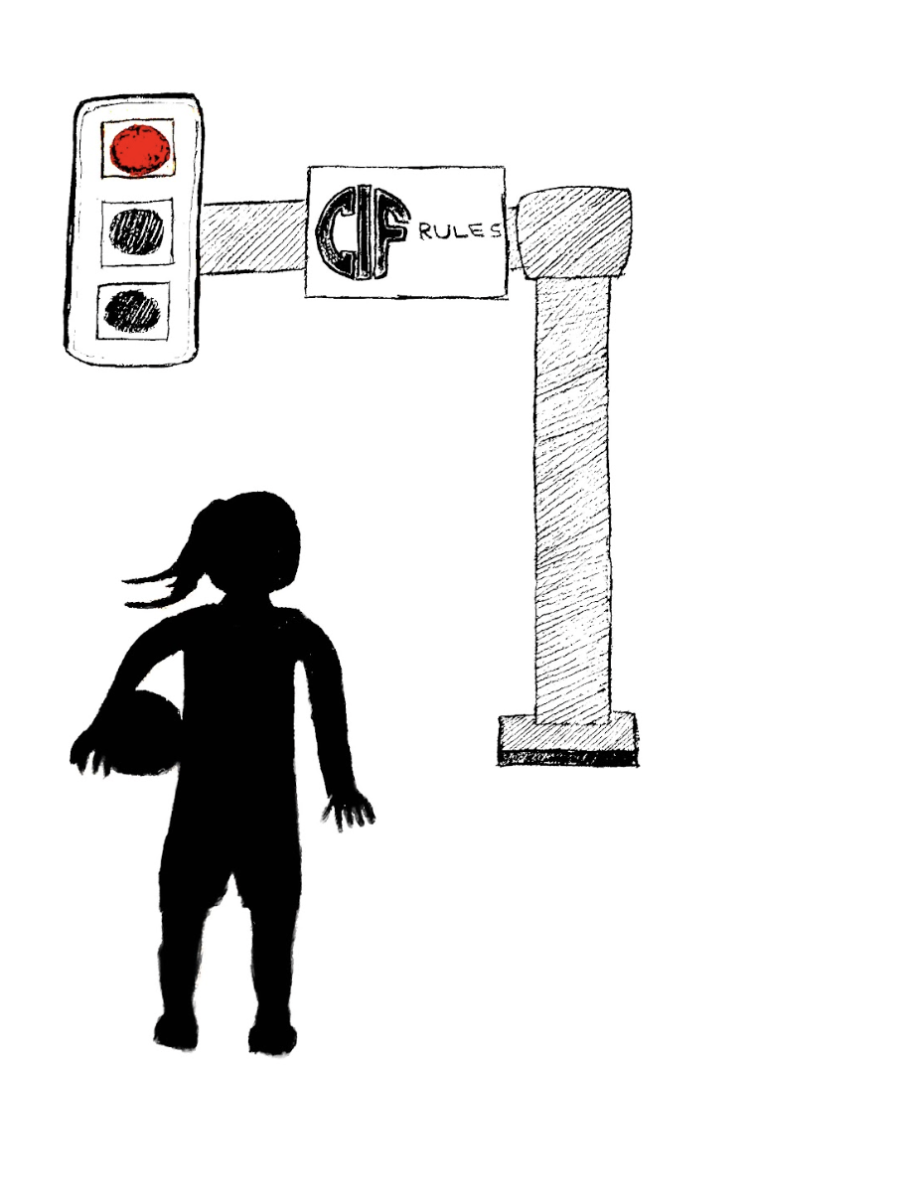
Transferring schools usually means new teachers and new friends. But for athletes, it can also mean sitting on the bench instead of playing for the varsity team.
The California Interscholastic Federation (CIF) has implemented rules and regulations regarding transferring to ensure that student athletes provide valid reasons in the transfer process.
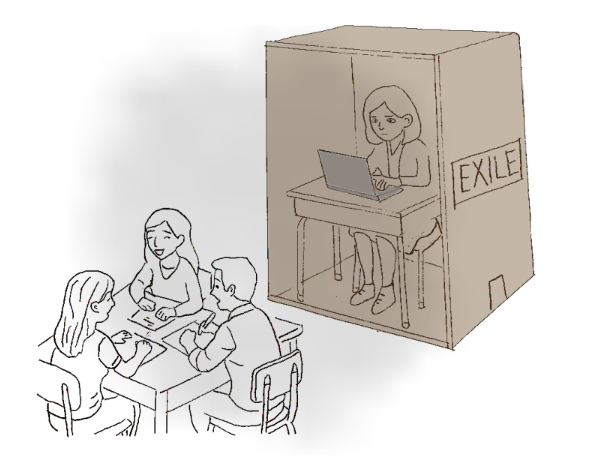
PHS Athletic Director Tyler Small said that a main rule that students who transfer and play a varsity sport have to follow is the sit-out period.
“A sit-out period is about 25 percent of their season that the student athlete would miss for a sport that they played at their previous school,” Small said.
In addition to the sit-out period, there’s also sub-varsity limitation, which refers to rules over high school athletes that prevent them from playing a varsity level sport. This restriction is commonly applied to transfer students who do not meet specific residency or transfer requirements, preventing them from playing varsity, according to the CIF rules.
“If a kid plays a JV sport, then they don’t have to sit out. But if they’ve played a varsity sport, then there’s a standard transfer rule: no matter what sport you play, basketball, football, baseball, softball, lacrosse, soccer, you sit out,” said varsity girls basketball coach Bryan Gardere.
Boys varsity basketball player junior Oliver Dougan said that after he transferred to Piedmont his sophomore year, he decided to play on the JV team instead of varsity.
“The coach told me that I could play varsity but I wouldn’t be able to play in games because of the transfer rules,” Dougan said. “So I decided to play JV instead of varsity.”
In addition to the rules that follow a transfer into the school district, the process involves many steps that have to be reviewed by the CIF in order for a student to gain eligibility.
“So once a student is accepted within Piedmont Unified School district, we then, if they are interested in athletics, have to submit a CIF transfer,” Small said. “This is where we submit their athletic transfer to be reviewed.”
Small said that transfers for athletics can be for different reasons, one of them being a change in residency.
“One of them can be if the student moves. If a student moves within the boundaries of Piedmont, then their athletic transfer would be under the umbrella of a change of residency,” Small said.
Dougan said that for him, the transfer process went smoothly overall.
“My family and I had to reach out to PUSD in order to get out of OUSD[Oakland Unified School District],” Dougan said. “There was a good reason for it because there was a lot of violence that year at my school.”
In addition to a change of residence, hardships such as homelessness are also reasons for a residency change.
Small said that documentation is required for residency and hardship transfers.
Based on which umbrella someone falls under for transferring, Small said that the California Interscholastic Federation North Coast Section (CIF-NCS) makes a ruling on the transfer and decides if it’s accepted or denied.
According to the CIF website, if the student athlete does not show a valid change of residence, then the sit-out period is implemented and will be 50 percent of the total number of days in that particular season of sport.
For college student basketball player Erinn Gardere, the transfer process was proven to be difficult.
“[The Piedmont administration] said I didn’t live in Piedmont, so I wasn’t able to play. I wasn’t approved for my whole season of basketball, but I just wasn’t approved for a little bit of my flag football season,” Gardere said.
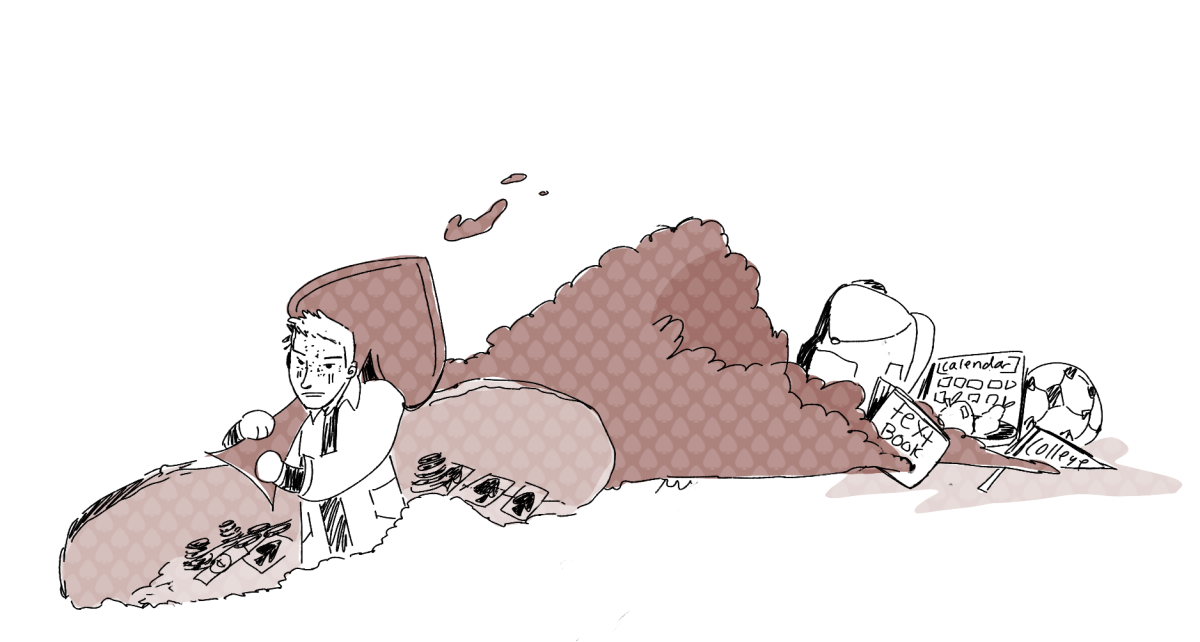
Along with transfer eligibility, CIF imposes rules during the transfer process to ensure that team shopping does not occur.
According to CIF, team shopping refers to student athletes transferring schools for athletic reasons rather than for academic or residential purposes.
Small said that while the rules that have been implemented can be tough on transferring students, they ultimately ensure the restriction of team shopping.
“I do understand why the policy is in place by NCS,” Small said. “It’s to keep kids from just bouncing around from school to school and maybe find that varsity spot that they can’t make at their current school.”