











Party Culture


How the Word Gets Out
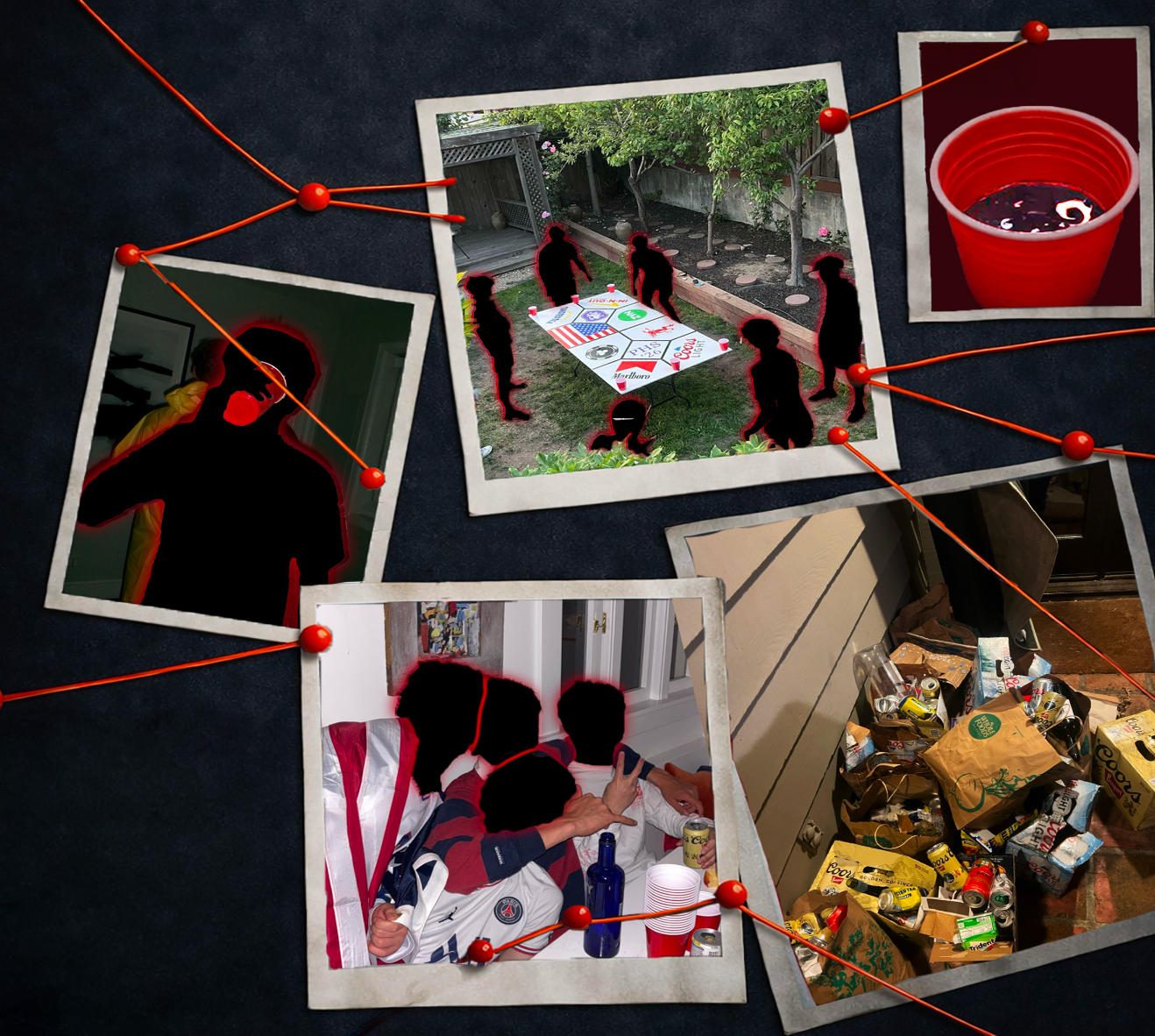
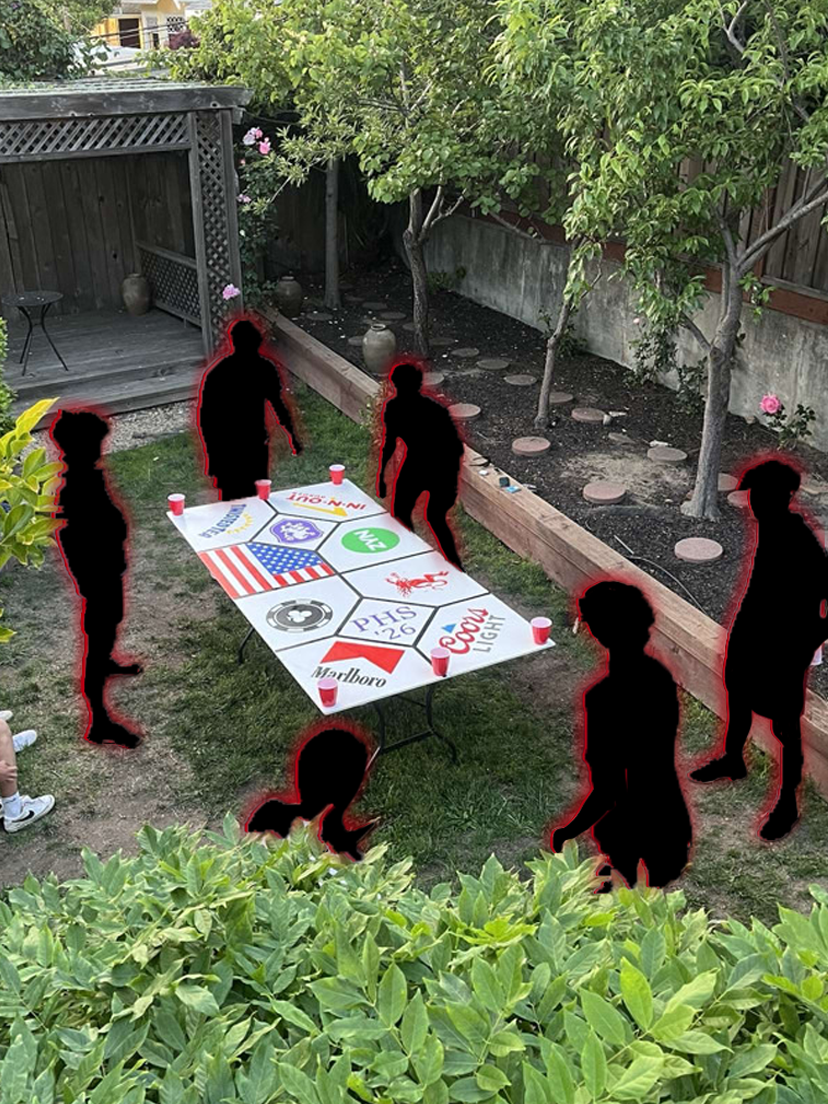
By the end of the day, the rumored party wasn’t just an idea, it was official. One “I can throw this weekend,” in first period turned into a Friday night address, group chat notifications, and buzz in the hallways. Whispers spread in every class, and by lunch, the entire friend group is going. At PHS, word can spread fast, especially about a party.
Senior Mary said that students often overhear about parties in class.
“If I were to throw a party, I would probably tell a few people and then it would spread to everybody else,” sophomore Jeannie said.
Social media also plays a large role in the spread of party information. Sophomore Scott said most people don’t communicate about parties in person, but online.
“People usually hear about parties through Instagram stories and stuff like that,” Scott said.
Junior Antoine said communication about parties depends on the size of the event.
“If it’s school wide, I would use Instagram but if it was a smaller group, I would probably use Snapchat,” Antoine said.
While parties can be school wide, there is usually a smaller group of students that are always at parties. Sophomore Marcos said that groups that consistently have been partying are always invited to them.
“Certain cliques are known for partying and some aren’t,” Marcos said.
Junior Lydia said that you have to know the right people to be invited to some parties.
“Mainly seniors are going to be at every party and then a group of juniors and sometimes sophomores,” Lydia said.
Senior Valerie said often people don’t feel welcomed when they show up uninvited to parties.
“Usually people will yell and then kick them out,” Valerie said.
However, some students think the social makeup of PHS does not impact who is invited to parties. Scott said friend groups do not impact who gets an invite.
“If it’s a schoolwide party, [friend groups] don’t matter,” Scott said.
Many students said that fake IDs are often how alcohol is obtained for high school parties.
“Upperclassmen in general use fake IDs, and there’s a consistent amount of places around Piedmont where they can get alcohol,” sophomore Chris said.
Students said underclassmen often rely on older students or family members to get alcohol for their parties, while other students find different ways to obtain substances.
“[Students] sometimes just steal alcohol,” Mary said.
Scott said there are many places students can go to that do not ask for identification when selling alcohol or substances to minors.
Although students use substances illegally, students say there is a normalcy around it. Lydia said that she and her friends do not feel remorse for buying or using substances.
“We definitely assume the risk every time we use [them] and there is a certain fear involved because the consequences of getting caught can be really bad,” Lydia said.
Parents are often not involved in buying or supporting their kids in using substances. Chris said parents will rarely buy alcohol for their own children.
“In my experience, it’s never alcohol coming from my own [parents], because that’s bad,” Chris said.
Lydia said if the police show up and the parents are home, it can be much worse.
“To ensure a party is successful, the host should definitely have their parents out of the house,” Lydia said.
Hosting a party comes with certain responsibilities to keep the night fun while still under control.
“Prepping the house and making sure your house is okay is important,” Mary said.
Many students said parties cause a large mess in the house and possibly destruction.
Marcos said he gets rid of everything valuable in the area where the party will be held.
“I lock doors so people don’t go venturing throughout the house and breaking stuff,” Marcos said.
Sophomore Blaire said the host has to put some planning into their party.
“You need the space and the setup and most importantly, you’ll need to know that a good amount of people are coming,” Blaire said.
By the end of a school day, the plan for a Friday night party can already be set in motion. What seems like a lot of preparation is all put together in the matter of a few hours. hours. But when Monday rolls around next week, the same question will remain: who’s throwing?

The Pregame
The plan for Friday night is set and it almost always starts with a pregame.
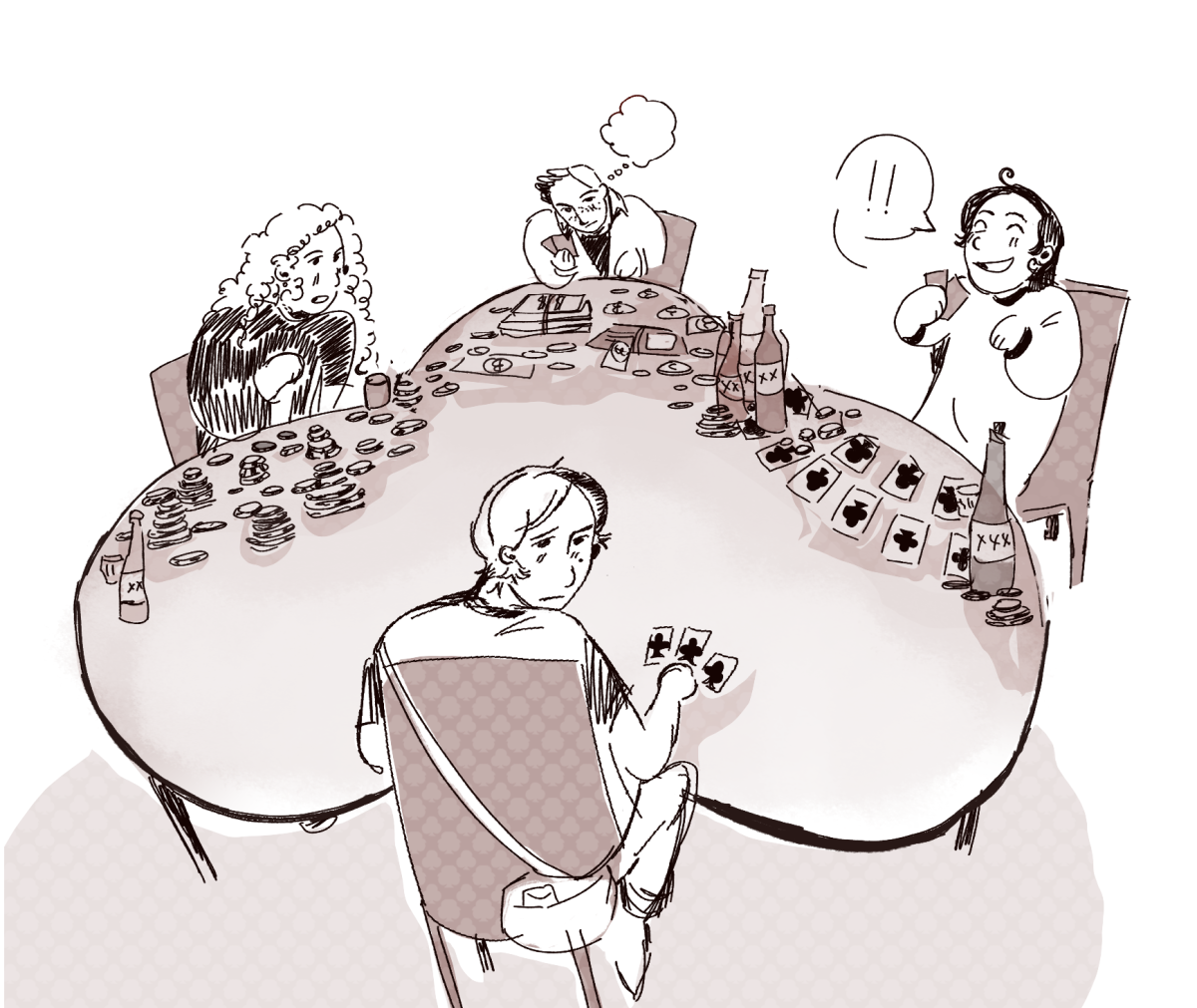
A pregame is generally a close group of friends hanging out and drinking alcohol before a social event, with the purpose of already being drunk when arriving at the event.
“All the guys go to someone’s house and we’ll just get drunk before [the event], and then you’re in a good mood for when you actually arrive at the party,” senior Tom said. “We’ll just listen to music, chat, and generally get excited for the night ahead.”
Pregames usually occur at the same houses, with close friends of the hosts often having unspoken standing invitations, Tom said.
“There’s basically just a friend who has a designated house, because their parents are okay with it, and it’s an unspoken yes, all the time,” Tom said.
Pregames are considered an essential part of the night, because it makes the party less awkward, senior Evan said.
Senior Malcolm said pregames are also the most fun part of the night.
“[Pregames] are the best part of the entire night, because you have everything ahead of you to look forward to, and you’re still having fun with your closer friends at that moment,” Malcolm said. “There’s also usually not much alcohol at the parties so you need the pregame.”
Senior Jane said that the main point of the pregame is to drink.
“It’s honestly just focused on getting as much [alcohol] down as possible, because you want to show up to the party tipsy,” Jane said.
Showing up to the party together is another reason people pregame, junior Nancy said.
“You don’t want to show up alone, which is really hard to do if you’re not at the pregame and going with your friends,” she said.
Malcolm said there is a much different dynamic at pregames than at the actual party.
“Everyone’s closer, so you can be more yourself, and you don’t have to really worry about what other people think of you. So you’re allowed to be more open, which is also an added benefit,” Malcolm said.
That dynamic also leads to pregames being even more exclusive than parties.
“[Pregames] are a lot more exclusive than the actual event. It’s just your closest friends, which I can see being difficult for some people that don’t quite fit into one of the friend groups,” Malcolm said.
John said pregames are exclusive by nature.
“It’s definitely exclusive, but that’s just because it’s intimate. You only want your close friends there so you can have the best time and feel comfortable. [Pregames are] just a different kind of event than a party, making them naturally more exclusive,” he said.
As they’re exclusive, it’s easy for people to feel left out of pregames, Nancy said.
“I think it’s especially easy to feel left out because they are small and because everybody is taking pictures or making videos which just adds to the [fear of missing out],” she said.
Another key difference for pregames is the gender dynamic, Tom said.
“At a pregame, it’s almost always only guys or only girls, so that whole dynamic of talking to girls [or guys] isn’t there, which also makes it more relaxed,” he said.
Jane said that she also sees gender exclusivity in her pregames.
“It’s usually only girls [or only guys] so I think you can be more yourself and not worry as much,” Jane said.
There are some exceptions to gender exclusivity, John said.
“In my experience it’s always a majority of guys but it’s not uncommon for a few girls to be there but usually just if they are dating one of the guys. I think it’s the same for girls too, usually only girls with some exceptions,” he said.
Someone has to host the pregame, and Jane said that while hosting pregames is easier than a party, it is still stressful.
“Hosting is way more stressful. You’re thinking about your parents, or ‘oh my gosh, are we too loud?’ or ‘is someone gonna leave a can or something behind’, because there’s always something,” she said.
Junior Joe said he doesn’t mind hosting pregames.
“For me, hosting is fine if it’s just a pregame because I trust my close friends. When it gets bigger, then it becomes uncomfortable, because you’re always worried about them breaking something or being too loud,” he said.
Besides the stress of hosting, Malcolm said there are real dangers to pregaming.
“Definitely a lot of people drink on their own even before the pregame, that is pretty common. So this constant pregaming can lead to drinking too much and shows most people have trouble socializing when they aren’t drunk,” Malcolm said.
Jane also said pregames are very normalized which becomes a problem.
“[Pregames] definitely make people more reliant on alcohol for social situations, and to just have fun in general,” she said.
Pregames are not only for parties. Tom said they happen for almost anything, from concerts to even school events, specifically sports games.
“There are definitely things that shouldn’t be pregamed, and sometimes [pregames] become so normalized and it can put people into a bad spot,” he said.
But now, the clock strikes 9:00 p.m. and Snap Maps are checked to see who’s at the long-anticipated party. The designated driver gets their keys or the Uber is called, and it’s off to the party.
The Main Event
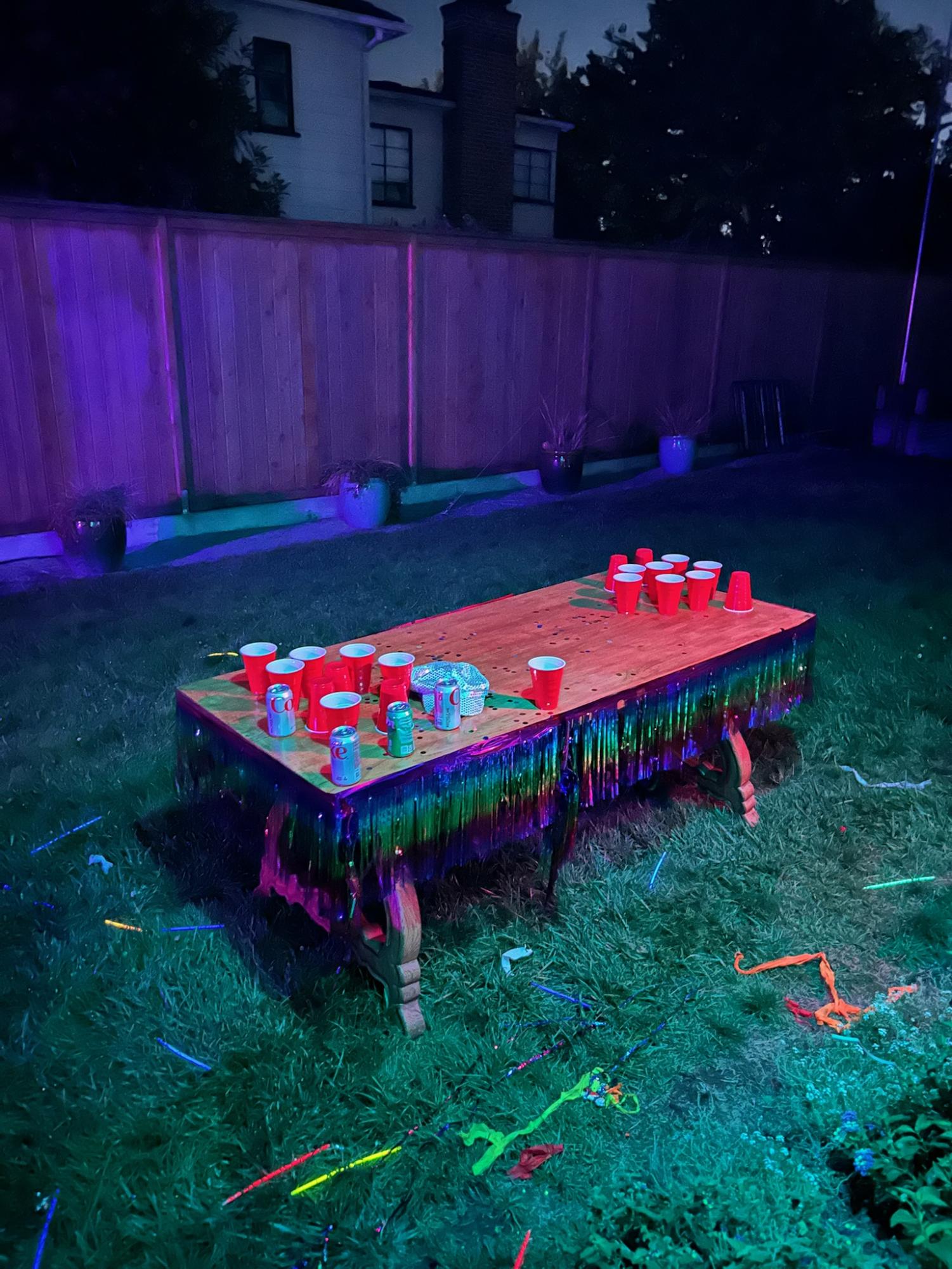
The doors open. People gush inside, greet their friends, and grab their drinks. Music starts blasting, bottles get emptied, and everyone starts stumbling as they can feel themselves transitioning from tipsy to full-on drunk. It’s 9:30 p.m. on the big night, and the party has only just begun.
Sophomore Carlos said that at first, the party takes a bit to start heating up.
“People start rolling in at the time [the party starts], and then the space is usually pretty full by an hour or an hour and a half later,” Carlos said. “It takes a minute for people to get going. The music has to hit right, and people have got to be drunk enough.”
Sophomore Omar said the scene is similar, but that the party actually starts when more people get involved.
“People just kind of mingle, start drinking a little bit and start talking to their friends,” Omar said. “But when more people show up, it becomes bigger and more fun.”
For Piedmont partygoers, sophomore Suzie said that drinking alcohol is part of the culture of these events. Suzie said that drinking alcohol at parties comes with the expectation of what it means to be a high schooler.
“I think the deeper role [of drinking] is just proving that you’re willing to be more mature than you’ve been.” Suzie said. “I don’t think people look at alcohol as something to be like, ‘oh, that’s going to get me drunk and I’m going to make bad decisions’, but more like, ‘this is a way that I can have fun and be more comfortable around other people.’”
However, Suzie said she thinks the frequency at which alcohol is consumed at parties by minors is unnecessary.
“It’s way too normalized,” Suzie said. “Every time you go to a party, there’s always alcohol and that obviously shouldn’t be the norm because we are not allowed to drink it.”
Despite how relaxed people are about drinking at parties, Suzie said peer pressure is always prevalent, and maybe not in a form identifiable by most people. Suzie described peer pressure as less of a problem caused by persistent friends, but more by a self-inflicted fear of missing out, comparing the reality of it with the version she grew up believing.
“I think peer pressure is so much different than I pictured when I was younger. I pictured people would be like, ‘oh, you have to do this, do this, do this’, but it’s more so your own feelings and your own consciousness telling you, ‘I don’t want to be left out of the situation if I don’t do the specific thing’, which is most likely drinking.” Suzie said.
Junior Pete said that just being in the presence of friends is enough to convince a person to cave in to peer pressure.
“It’s just seeing everyone do it,” Pete said. “You kind of just get sucked into the moment.”
An hour or so after it has started, the party is in full swing. Music is blasting, everyone has arrived, and things start to get real. Omar said that once the party is going, it’s much easier to strengthen bonds with acquaintances or develop new friendships all together.
“[Talking to people] is better at parties because you can be more free,” Omar said. “You just are more outgoing.”
Senior Darla similarly said that parties can uncover a person’s real personality.
“From my experience, people are either nicer or meaner,” Darla said.
There are many aspects of parties other than just socializing. One activity that’s common at many parties is drinking games.
“Drinking games] make [parties] more interactive and also a bunch of group games are fun because you meet new people,” Omar said.
Another common part of parties is hookups. Defined usually as a “one time only” event, hookups are most common in heat-of-the-moment events like parties where fun is the priority.
Suzie said that hookups are usually sparked when people get a little too comfortable while drunk.
“You get drunk, and then you meet someone that you never talk to, maybe you have even had interest in, and then it’s just like a one-night stand in a sense.” Suzie said. “Then you’re like, ‘oh, we just did it at a party, it doesn’t really mean anything.”
Two and a half hours in, everyone is comfortable and wrapped up in the peak of the party. Suddenly, red and blue lights pour through the windows, draining out the flashing LEDs that light up the event. The cops have arrived, and every individual has a different strategy to deal with the situation.
“I know some people close the doors and just pretend no one’s home,” Pete said.
“A bunch of people get scared and try to run.” Omar said.
“Either you hide or you run,” Marcos said.
One thing is for sure, though: once the police show up, the party is shut down.
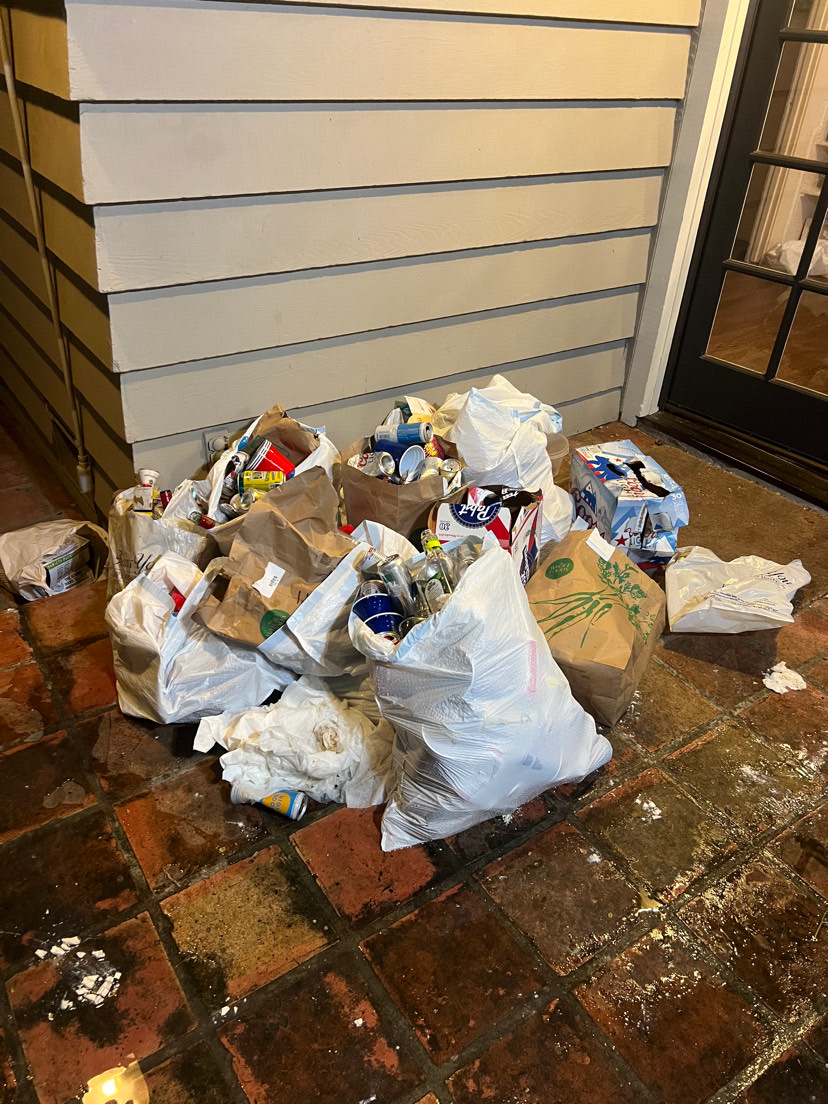
It’s midnight, and the last guest has finally left. Empty bottles and crushed cans litter the floor of the living room and faint music still continues to play from a small speaker.
“Nine times out of ten, someone calls about a noise complaint and then we show up to tell whoever to turn it down,” said Piedmont Police Department officer Hugo Diaz. “Parties aren’t illegal. It’s usually a noise complaint. Our goal is to tell you to turn it down. We don’t know anything about anything else until we get there.”
Diaz said that the priority is always safety, and that the first step in investigating a party-related noise complaint is to speak to an adult.
“The first thing we need is to get an adult to the door so we can try to resolve the situation,” Diaz said. “But if there’s no adult, then this usually gets complicated. Because [the partygoers] are all minors, then we need to be able to come in and make sure that everyone is safe.”
PHS parent Walter said that he does let his kid go to parties, and that his main priority is just to make sure that they’re safe.
“When my kid comes home from a party, I want to make sure that they’re not physically or mentally in danger,” Walter said. “Once I’ve determined that they’re healthy, the issue of coming home drunk is something I deal with the next day.”
Patrol sergeant David Cutler said that many times, when police arrive at a party, kids will quickly try to get away from the house.
“When we get there, they scatter. Sometimes they go in groups, ranging in size,” Cutler said. “Our job is to make sure you walk on the sidewalk and stay quiet.”
Walter said that he saw kids scatter from a party in his neighborhood, and that kids often can be heard after a party walking around.
“One time a kid left a case of beer in our neighbor’s front yard and then the police showed up and they couldn’t grab the beer, and then the next morning I was taking the trash out and I saw there was a case of beer in the bushes,” Walter said.
Similar to Diaz, though, Cutler said that the main priority is finding an adult as soon as police arrive.
“The main thing is closing it down, you know, finding an adult, and then if somebody isn’t present, we get hold of the adult on the phone,” Cutler said.
Diaz said that when an adult is present, they face a misdemeanor charge for contributing to the delinquency of a minor or child endangerment.
“Besides the criminal charges, there’s a civil liability, as well,” Diaz said. “If a minor leaves your party and they get injured or something, you’re liable for their injuries also.”
Senior Noelle said that her dad was held responsible when she hosted a party.
“The police said that he would have a court date and stuff, but he never ended up having to go to court,” she said. “He didn’t know there was alcohol, but since he was in the house, [the police] said he was responsible.”
Unlike Noelle’s party, junior Kenji’s was not shut down by police, he said. Instead, his parents made the decision to close things down, meaning that no law enforcement officers were aware of the underage drinking occurring within the home, and that his parents faced no repercussions.
“Yes, my parents were there, and yes, they permitted the alcohol usage in moderation,” Kenji said. “When they saw it was getting out of hand, they figured it was time to shut things down.”
Noelle said that although nothing seriously dangerous happened at her party, she still felt responsible for the repercussions that her dad faced.
“He didn’t know what was happening,” Noelle said. “He was in his room, and he didn’t know that there were that many people there. It made me a little scared because I saw how fast it got out of control.”
Kenji said that when he hosted a party, he did what he could to keep everything under control.
“I felt a little stressed, a little responsible. I was trying to get on people not going outside and not being too loud and stuff,” Kenji said. “I think it was pretty well-managed.”
Despite his best efforts, though, he also ended up having to face a larger-than-expected cleanup after the party.
“There was stuff on the floor I had to clean up, and some of the floors got damaged because there was stuff spilled and it didn’t get cleaned up,” Kenji said. “I guess when you host parties, you also get egged by other people, which is not very nice. I still don’t know who that was, and that took like two hours to clean up since I had to scrub the outside of my house.”
On the occasion the police don’t show up due to persistent noise complaints, the party usually begins to wind down naturally. Suzie explained that the end of a party is usually prompted by tiredness or an approaching curfew.
“I think when the party wraps up, it’s probably around midnight or when people have their curfews. They’re tired. They want to go home.” Suzie said. “Maybe there’s an ‘afterparty’ where you just chill with your friends.”
Whether it’s going to that after party or going straight home, there’s always a “next destination” for the lingering party guests. However, it’s up to the tipsy teens to figure out how they’re going to get there.

No Alcohol Parties
Friday night is filled with events, and not just ones centered around alcohol. Down the street, guests start to arrive at another function, this time one that’s alcohol free.
Without alcohol to loosen people up right off the bat, the new arrivals turn to other options to kick off the fun.
Anonymous sophomore Fin said that at non-alcohol parties, it can be more challenging for people to initially get comfortable.
“When people drink, they sort of get out of their bubble a little bit.” Fin said. “So at parties without it [alcohol], they’re sort of less ‘outside the bubble’.”
Fin said that these parties prompt the guests to find more creative ways to have fun and get people to consciously interact with one another.
“You can do games or you can get a bounce house,” Fin said. “Anything you can do to that comes with being sober adds to the re change the excitement from alcohol and make things fun for people. You try to find other things that people might get excited about.”
Anonymous freshman Jones said that it’s crucial to grasp the attention of the guests throughout the night.
“I had to find other ways to get people’s attention.” Jones said. “I got a ton of food, played a movie, and made a place for people to sit.”
Even though having various activities at these events helps people have fun without having to drink, it can be more difficult for the sober guests to be as comfortable talking to unfamiliar people. Jones said this plays a role in determining who is invited.
“You have to invite different friend groups so that everyone has somebody to talk to.” Jones said. “If you’re with people that you genuinely have a close friendship with, then it’s easier to talk and find random things to laugh at.”
Later into the night, the awkwardness fully wears off and the fun becomes genuine. Fin said that the level of pure connection alness.
“I think it’s more wholesome,” Fin said. “People aren’t there for the alcohol, they’re not there to do anything crazy. They’re just there to see people.”
Once people start to get tired, it’s time for goodbyes. Fin said that saying goodbye to friends after an event is always disappointing, but party guests at non-alcohol parties are able to bid farewell in a way that gives the night closure.
“People are more in control of when they leave and they can actually say bye to people.” Fin said.
The party may be over, but alcohol or not, the lasting fun of the event will be remembered in full by the guests in anticipation of the next one.

When Is It Really Over?
Out on the sidewalk, masses of people stand around, calling their friends to either figure out a way home or ask someone to host an afterparty. Not many take the time to think about what’s happening once the group arrives, how to get home, and how much trouble they might be in when they get home.
“There’s only preparation for an afterparty if you get invited, and in Piedmont, afterparties can be pretty exclusive if you don’t have a connection to somebody already going,” junior Bella said.
Usually people are more exclusive with their afterparties due to not wanting to have a large number of people in their house, she said.
Junior Arlo said Piedmont’s culture of afterparties are mostly more exclusive hangouts with a couple of friend groups.
“At least for ours, there is a set group of people that consists of two groups of girls and three groups of guys that usually come,” sophomore Etta said.
Etta said that since most people have already been drinking prior to coming to the afterparty, friend groups tend to split up, with people falling into different ‘party archetypes’.
“There’s always a person who doesn’t know their limit and ends up drinking too much and either blacks out or throws up,” she said. “There’s also always either a girl or guy who flirts, either with one person, or even multiple people at the same party. There’s also usually a more quiet person who observes instead of gettinginvolved.”
Excessive drinking is also a very common practice. Senior Barron said that there is always at least one person who either needs to be taken home, blacks out, or is laying on the ground because they can’t get up.
For those with curfews, it can change the scope of after parties as well, Etta said.
“If a person who livens up the party has a curfew and has to leave, then most people will follow and start leaving unless it’s a good party, and then people won’t really leave,” she said.
Getting home from afterparties is also a challenge that teenagers face, although junior Deon said that it is slightly easier in Piedmont than in other cities.
“Being sophomores, when someone can drive they usually become the designated driver, or else we’ll have to get our parents to pick us up,” Etta said.
However, Bella said that Piedmont tends to have a culture where people don’t like to be the designated driver.
“Because Piedmont is so small, a lot of people will just walk home due to it being less of a hassle compared to having to get a designated driver or paying for an Uber,” junior Deon said.
Students said that despite driving drunk being looked down upon, students frequently drive while buzzed a good amount of the time. Junior Arlo said that this behavior is almost always done by guys rather than girls.
Etta said that people also tend to Uber less since many people have theirs tied to a family account where parents can see when you’ve gotten rides, so students harbor concerns of parents becoming angry when they spend money on a ride to come home late.
While Bella said that many teens worry about parents potentially getting mad, Arlo said that many parents are generally indifferent unless their child is seriously indisposed.
“A lot of parents in Piedmont don’t really care all that much about their kids being out. Most of the time it’s fine as long as the kid hasn’t had too much to drink and can handle talking and acting pretty normal,” Arlo said.
He said that students often get in trouble when they become overconfident that they can fake sobriety to their parents, leading them to talk to their parents more than needed and expose themselves.
“I know people that have to lie to their parents every time they come home that they haven’t drunk anything, and sometimes they get away with it, and sometimes they definitely don’t,” Etta said.
Getting home and being confronted by a woken-up parent isn’t the only negative reaction that teens face. Often, the real damage doesn’t start until after.
The Fallout
The story of a party doesn’t end when night turns to day: retellings of the night’s events travel the halls, spreading from one person to what seems like the whole grade in just one period.
Noelle said that once she got back to school after the weekend, other students at school were talking about her party.
“It felt a little weird because a couple of people asked me about what happened after. It sort of felt like people were talking, but then it faded away,” Noelle said.
Senior Caroline said that rumors can spread quickly after a party, often with a mix of fact, fiction, and exaggeration.
“I went to a party and there was this one girl who threw her drink on someone or slapped someone and lots of people were talking about it,” Caroline said. “Someone told me that she threw up on a table, and I asked her about it and she said it never happened. People say things happened at after parties when they really didn’t.”
Tied in with the post-party gossip is also the “debrief”, said junior Alyssa. While some events of the night travel across grades, many of the recaps happen within friend groups.
“Usually we go to Starbucks the next morning and just everybody talks about their night and their personal experience,” Alyssa said. “It’s a good way to decompress and reflect on maybe some of the not smart decisions you made.”
Furthermore, Walter said that information about parties travels to adults too, both from kids to parents and within the parent community.
“My kid has talked to me more about stuff that they’d seen or saw other people doing, not so much stuff that they had necessarily done,” Walter said. “But I’ve heard things about parties from other parents as well. Things go around.”