




















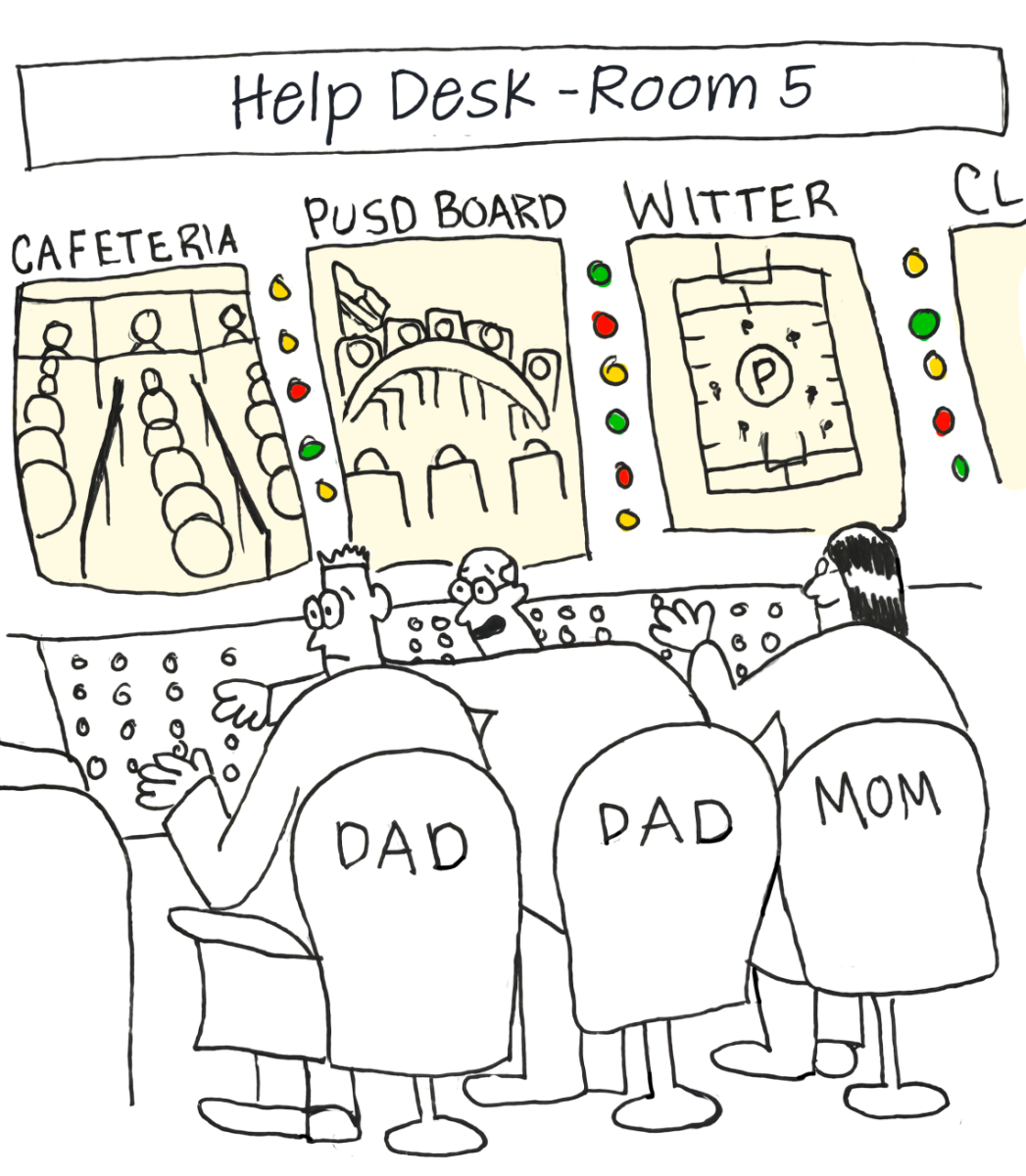
From school board meetings to lunch supervision, parents in the Piedmont community are involved in nearly every layer of the district. Their participation is widely visible, largely encouraged by district leadership, and deeply tied to the town’s small nature.
“The administration and the school board always welcome family input,” Parents Club president Dana Lung said. “Because they invite parents to do that, our community is very engaged.”
That engagement takes many forms, with parents helping fund programs, volunteering at school sites, supporting athletics and arts, and participating in district committees. Lung said the district’s openness has created a culture where parents regularly step forward to help support the district.
Alissa Welch, a parent in the district, said that level of involvement is essential to what Piedmont schools are able to offer.
“There’s a lot of things we just couldn’t do if people didn’t volunteer their time and money,” Welch said.
Much of parents’ influence in Piedmont comes through informal channels rather than direct decisions. While parents are not typically responsible for final policy decisions, they are frequently invited to share perspectives and feedback.
Parents’ Club President Sally Baack said that parents are most often involved by offering input at school board meetings, participating in school-based groups, or sharing perspectives through advisory processes. While parents are not typically responsible for final decisions, opportunities to provide feedback are widely available and frequently used.
Baack also said the district’s small size makes parent involvement especially visible.
“There’s no way to hide,” Baack said. “If you’re involved, people will see it.”
Baack said that visibility does not necessarily reflect how much a family cares, as many parents contribute in less visible but equally meaningful ways.
Lung agreed that the district’s size intensifies both connection and accountability.
“You know most people at your children’s schools,” she said. “Even if we disagree, we’re neighbors, so it’s harder to not listen or to be rude.”
District leadership has also emphasized parent involvement as part of Piedmont’s educational culture. Piedmont Unified School District Board of Education President Ruchi Medhekar said that parents make up a large portion of the community the board represents.
“The school board is elected by the residents of Piedmont,” Medhekar said. “It’s our responsibility to reflect what the residents want, and most of the people who are engaged happen to be parents.”
Medhekar said parents participate in the district in a variety of ways, including attending board meetings, joining advisory committees, and engaging with school sites. She said those avenues allow families to remain informed and connected to district decisions.
Parent involvement often increases when changes are proposed or decisions directly affect students. Medhekar said that during those moments, families are more likely to attend meetings and share feedback.
“If there’s a change, people can feel very strongly about it, and they will want to speak up,” Medhekar said.
While parent involvement is prominent on the high school level, it’s also seen in elementary schools.
Wildwood Elementary School parent Melanie Shartsis said that when her family moved to Piedmont, she made it a point to help with the school as much as possible.
When starting her involvement with the school, Shartsis said that she wanted to find a missing part to the involvement, as a lot of parents were already really good at fundraising, and being involved in the Parents’ Club.
“I wanted to fill in any parts that felt like they were missing,” Shartsis said. “So, because I loved nature, I started a community hike group for Wildwood.”
Taking place once a month for the past five years, Shartsis said that the hiking group has had up to eight families join for a hike, allowing kids and other parents to become more engaged with each other.
In addition to her leadership in the hiking group, Shartsis said that she also volunteers at the library as one of the library coordinators and decorates the teachers’ lounge for their monthly lunches.
While many parents describe current involvement as especially strong, some community members say that perception is not new. Michael Richmond, who attended Piedmont schools as a student and now has children enrolled in the district, said high parent involvement has been a constant over time.
“People say parent involvement and stress are much higher now,” Richmond said. “But they were saying the same thing when I was a kid.”
Richmond said the specific issues parents focus on may change, and although parents are more involved today, the overall level of engagement has always been high.
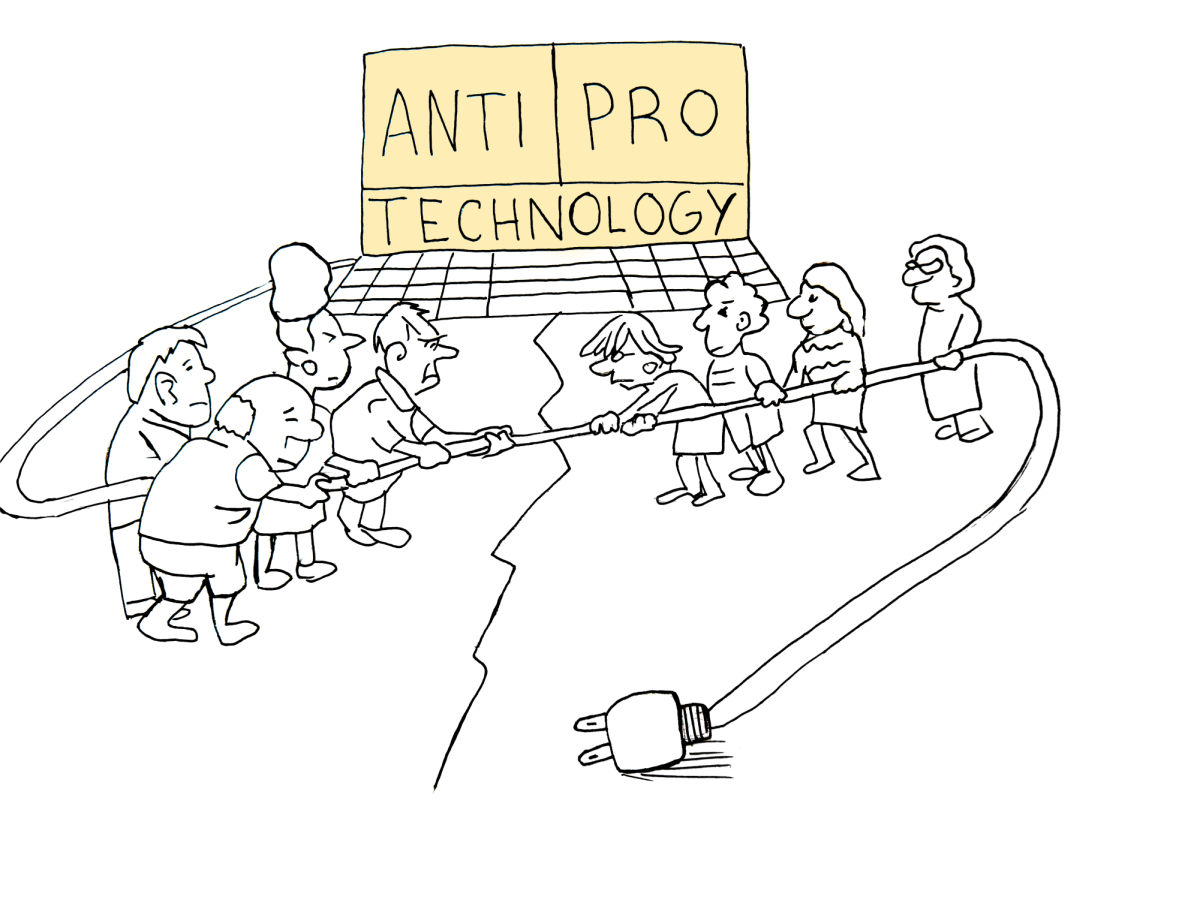
While involvement is encouraged, parents and district leaders said it can also bring challenges. Parents in Piedmont are known for holding high expectations, which can sometimes lead to tension, especially around academics and policy decisions, Welch said.
“Piedmont parents have high expectations and strong opinions,” Welch said. “If they don’t like the outcome of something, they will speak up.”
Baack said that pressure is sometimes felt by teachers as well. Educators are likely aware of the community’s expectations.
“Teachers are probably always thinking about the fact that Piedmont parents are very involved,” Baack said. “Parent support can be both helpful and demanding.”
PHS social studies teacher Alli Cota said that one way parents participate a lot in the community is through the Piedmont Education fund which gathers a lot of donations and funds important initiatives all throughout the district.
“As another example, in my Financial Literacy class, once each semester we do a workshop around cover letters, resumes, and interview questions,” Cota said. “I invite people from the community to come in to meet with small groups of students to workshop their written work and to give them live feedback before they submit their final assignments.”
Cota said that it’s a nice way for students to get input from others who are in the workforce about how to present themselves and if there are areas in which they can improve.
While the level of involvement is high, parents acknowledge that it comes with responsibilities.
Lung said the community works to balance active participation with respect for educators’ expertise.
“We provide input and ideas, but ultimately we trust the teachers to make decisions in the classroom,” Baack said.
Baack also said Piedmont highlights how small districts can foster stronger relationships. With regular contact between many different groups, communication channels are open, and concerns are addressed promptly.
Baack said this dynamic is rare and difficult to replicate in larger districts.
“In bigger school systems, parents can feel disconnected,” Baack said.
This close community culture has a lasting impact on students and the community as a whole, and can provide a personal connection for parents to their children’s education.