







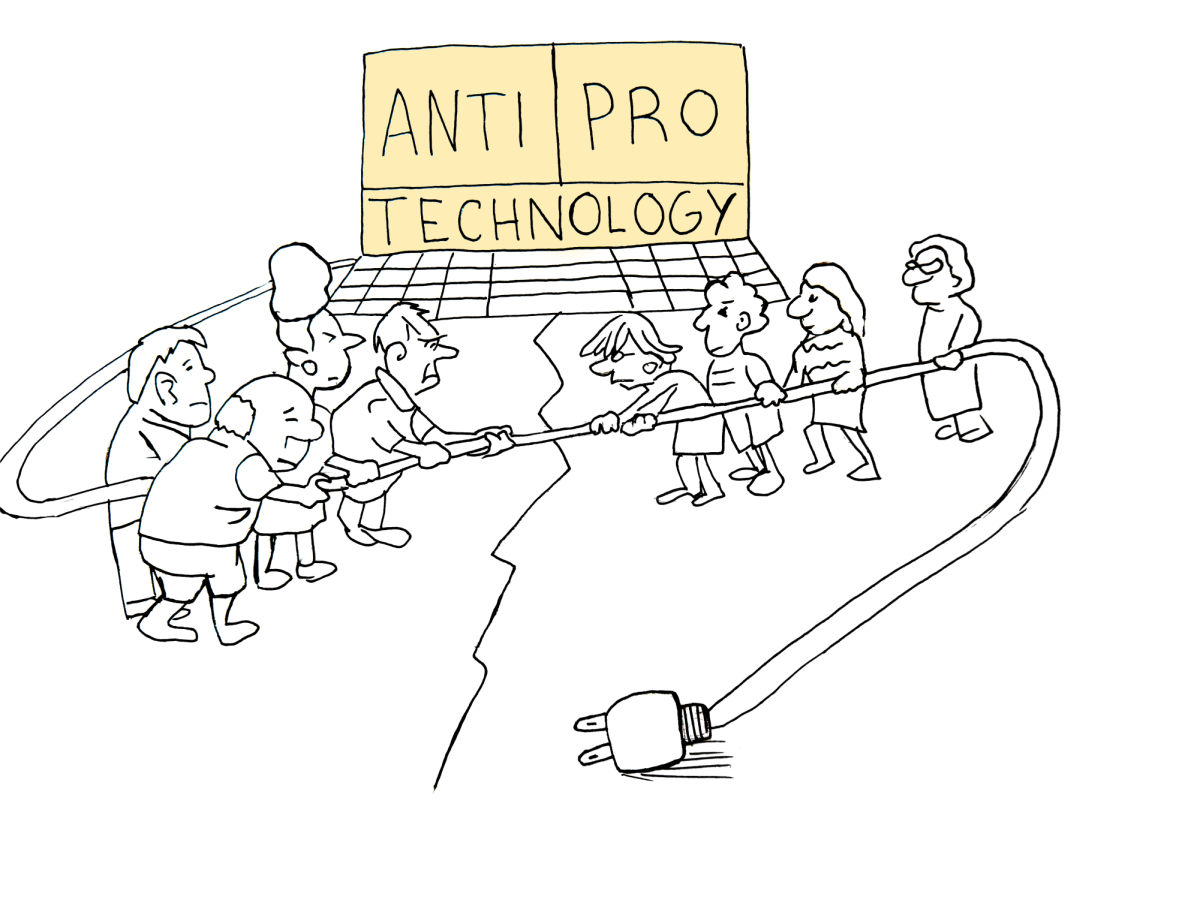



We need standard tech policies that work for PUSD students. Technology is central to how students learn, yet PUSD’s current policies fail to reflect this reality. While discussions often center on the usage of AI, the more immediate issue is the lack of a practical policy that trusts students to use personal devices responsibly. Instead of restricting technology, PUSD should implement standardized guidelines that allow us to use tools best suited for our productivity.
The quality of district-issued Chromebooks frequently impedes our ability to complete assignments. The mandated Chromebook policy is no longer optimal; these devices are often slow, inefficient, and inadequate for modern academic work. I, Hunter, had to walk to the PMS campus four times over the course of a final exam last year for technical aid. The lack of immediate support at PHS directly hindered my ability to complete the exam during the time allotted. As the academic pressure and competitive culture increases at PHS, we need tech policies that support our pace, not slow us down.
Furthermore, the current prohibition of personal devices is simply impractical. Accessing personal accounts via these devices allows for the efficient completion of online courses, other schoolwork, and ensures that the time is fully utilized for school-related activities. Denying us this flexibility leads to declining productivity and time lost to the Chromebook Help chase. At the high school level, we must be trusted to remain on task – a responsibility we have already proven we can uphold.
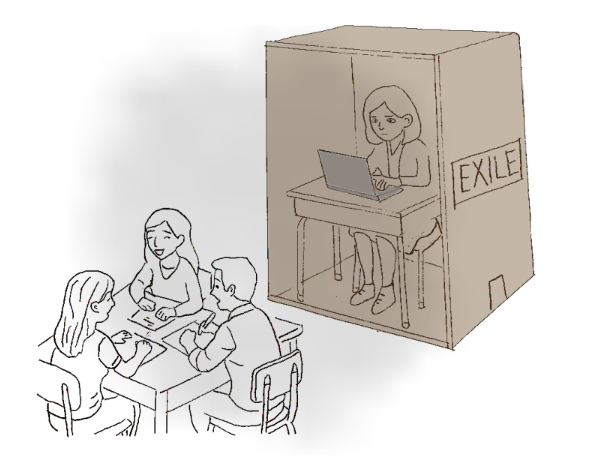
Additionally, restricting personal computer use even during free time (lunch, brunch, free periods, passing periods) is taking us back to a middle school environment based on constant surveillance. There is an underlying perception that we are unable to regulate our behavior while on our personal devices; however, distraction exists regardless of the device in front of us. We witness classmates playing games on their Chromebooks just as easily as on personal laptops. Restricting personal devices does not eliminate distraction; it simply shifts it. A more sophisticated approach is to trust students with the tools that help them work most effectively.
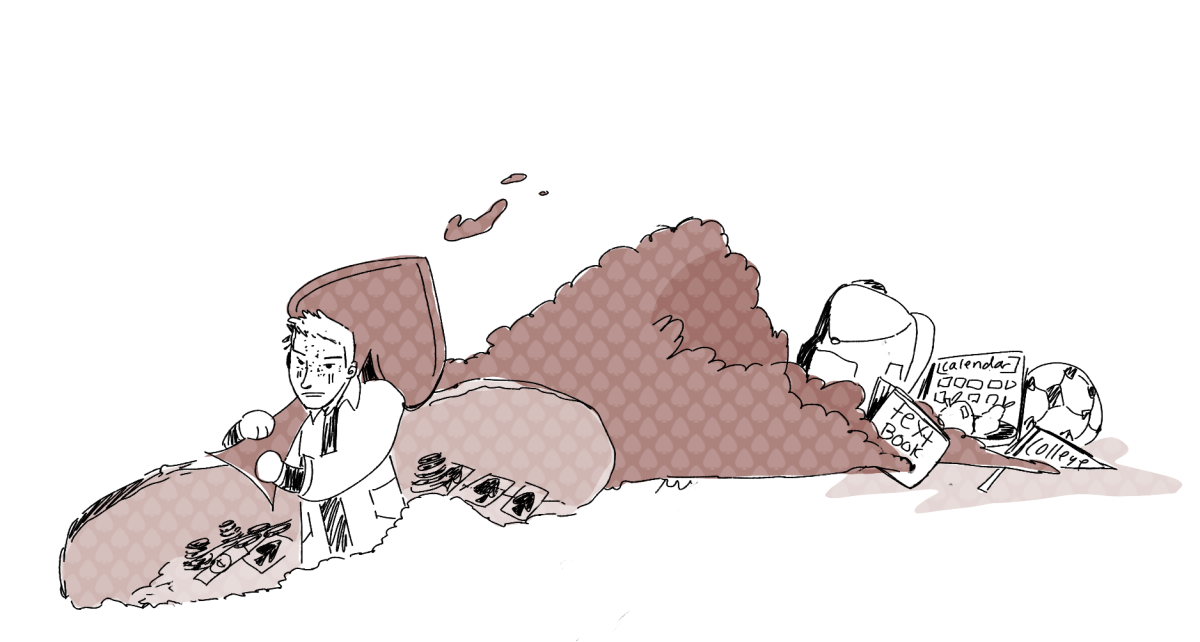
Our schedules are demanding long before the school day even begins. Most PHS students balance rigorous academic workloads with athletics, extracurriculars, clubs, and jobs. When time is already stretched so thin, tech policies should facilitate efficiency. Most importantly, students deserve a seat at the table when these policies are created. PHS needs a policy rooted in student input, not just administrative polls or parent emails. We, Ariadne Tatsis and Brynne Jones, have attended district tech policy meetings where we were the only students present, and the structure of these meetings offered little room for genuine conversation about how the current policy affects our day-to-day learning. If PUSD wants technology policies that truly work, they must be co-authored by the students who rely on them every day to grow and create.