














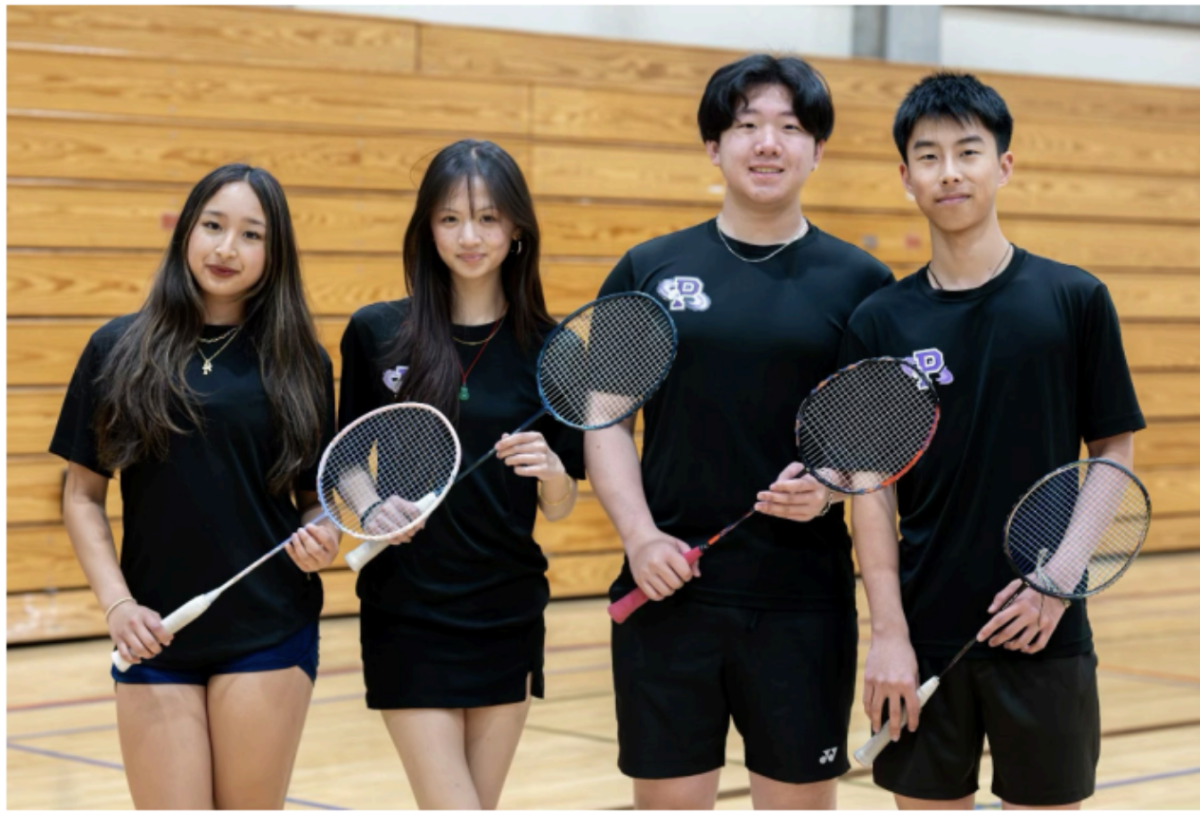















They may not be wearing Piedmont purple or competing at Witter field, but each season, club sport athletes are redefining what it means to play high school sports.
According to Cause IQ, there are over 1,300 sports clubs and leagues in the San Francisco Bay Area. For some Piedmont athletes, that is how they spend their off-season.
A significant number of Piedmont athletes spend their time playing club sports in an effort to improve their skills for the high school team.
Varsity water polo player sophomore Henry Stein said playing club water polo gives him an advantage when playing for the high school.
“For any sport, you’re at a disadvantage if you’re not playing a lot,” Stein said.
Similarly, varsity volleyball player sophomore Olivia Stevens said that playing club volleyball helps her improve her game when not playing for the high school.
“I decided to join club sports because I thought it was a good way to keep me engaged with my sport in the off season of school and then I also like getting exercise,” Stevens said.
Many athletes play club sports because of the opportunities to get recruited by college coaches. However, athletes say that even if they didn’t want to pursue their sport after high school, they would still be playing club.
“Even if you don’t want to play at the collegiate level, but you just want to play in more competitive games or play more, you should play club,” Eidt said.
Lacrosse player freshman Aaron Bornstein said he doesn’t have goals of playing lacrosse after high school but club is still important to him.
Playing club sports gives athletes more opportunities over other high school athletes with things such as coaching, recruiting and playing time. However there are other benefits to playing club sports.
“[Club sports] keep people fit and you create strong bonds with your teammates,” Stevens said.
Stein said club sports are worth it solely because of the connections you make with your teammates.
“I’ve made lots of friends throughout the years playing water polo, and they’ve become some of my best friends,” Stein said.
The commitment to a club can vary by sport with up to six hours a day for practice alone. However, some athletes believe this commitment does not interfere with other aspects of their lives.
“It’s not hard to balance everything because club and school aren’t the same season,” Bornstein said.
Stevens said that although club indoor volleyball and school beach volleyball do conflict, it is not difficult to manage with school and sleep.
“Some days I’m definitely busier, but I’m never consistently going to bed really, really late,” Stevens said.
Although club sports help athletes build their skills, athletes say there can be downsides to dedicating so much time to something. Stein said he wanted to play baseball in high school but his club waterpolo teammates advised him to join the swim team.
The choice of playing a club sport can cause athletes to not have time to play another sport for the high school. Senior Nate Eidt said he was interested in playing high school lacrosse but could never find the time because of his commitment to club hockey.
“I can’t play any winter sport at the high school because it’s in [hockey] season, any fall sport I can’t play because it’s in season and then the spring sports I’m still in season,” Eidt said.
However, not being able to play other sports is not the only downside to committing to a club sport.
Club sports often require hours of commitment for driving and even flying to play.
Stein said traveling for high school practice was similar to playing club water polo, with far practices taking three hours out of his day.
Although the sport is not offered at the high school, Eidt said the travel commitment for hockey is often a long commute, being five hours total, four days a week.