







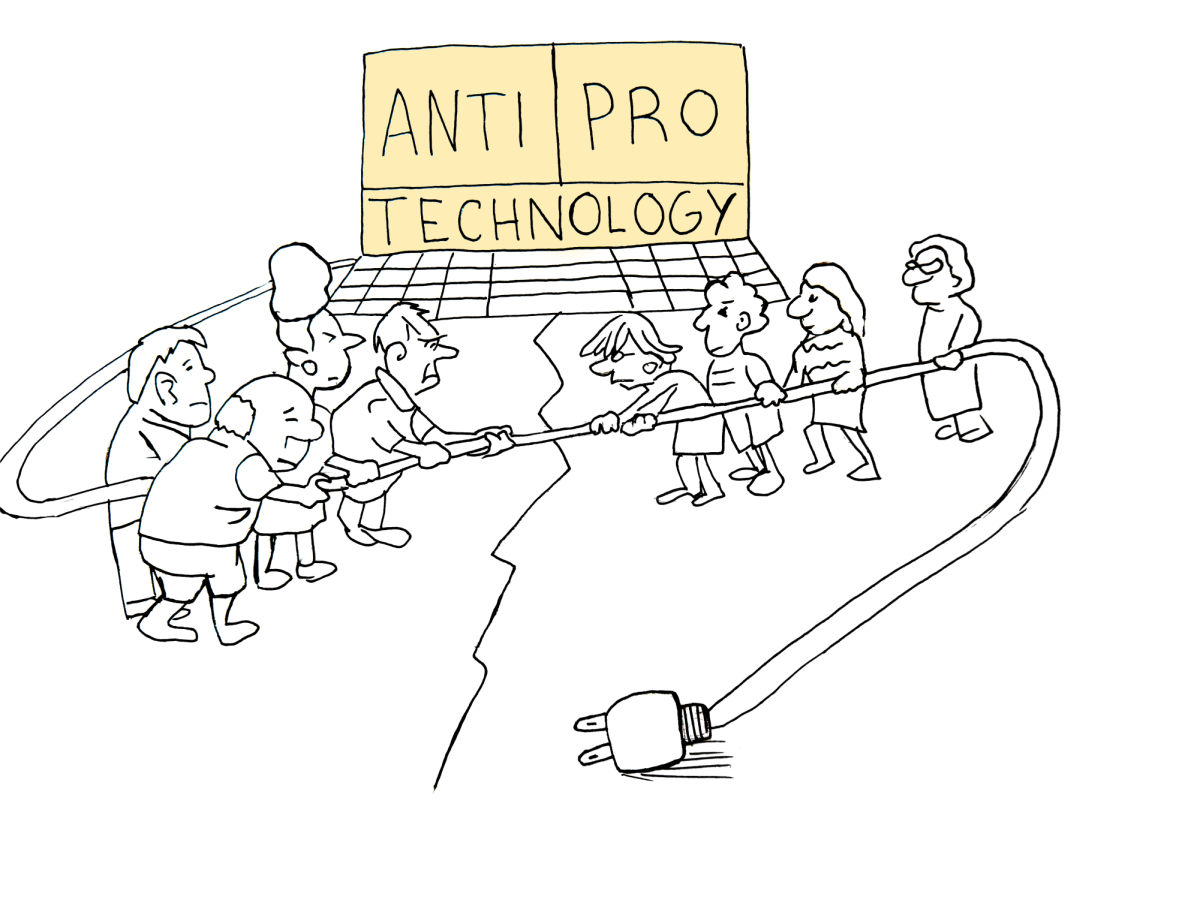





As the nation faces division between the two sides of the political aisle following the recent events of Charlie Kirk’s assassination and the suspension of Jimmy Kimmel, students are exploring ways through organizations on campus to not only find a safe space, but also have a platform to speak their mind and express their beliefs to the community.
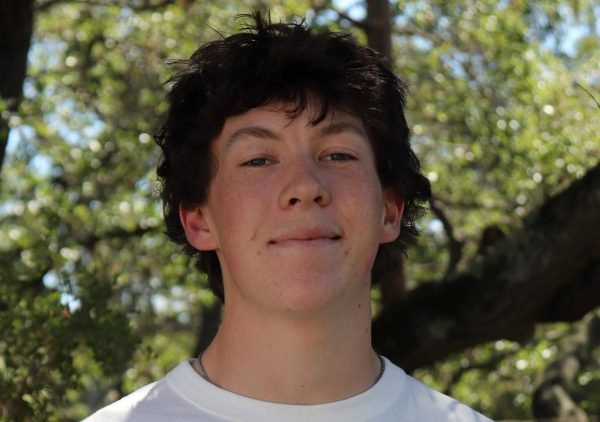
Sophomore Sidney Bencher said she is interested in starting an organization on campus to create a safer space for conservative students. Bencher said she and two other sophomores potentially want to start a Piedmont chapter of Young Americans for Freedom, an organization created in the 1960s with the goal of creating a safe place on campuses for conservative students.
Following the death of political activist Charlie Kirk, the nation has seen a rise in chapters of his nonprofit organization Turning Point USA across the country. However, when asked about the decision to be associated with YAF instead, Bencher said she much preferred it over Turning Point.
“Turning Point is incredibly divisive. I don’t support it in any way. While I am a more conservative-leaning student, I don’t think the way they go about trying to [make an impact] is in any way acceptable,” Bencher said.
She said she believes Turning Point does not align with the beliefs she wants to make a place for on campus. There are over 1000 chapters of Turning Point USA at high schools across the United States. Kirk’s Turning Point USA’s vision statement states that the organization and its members work towards educating and fighting for freedom in the United States.
“I don’t support a lot of the opinions Charlie Kirk had, but I do think that there does need to be a place for students, especially in Piedmont, to have a place where [conservatives] can share their beliefs,” she said.
Bencher said she wants people to be more open-minded on campus to ideas that challenge those of their own.
“I just think people need to be more open and tolerant whenever I’ve shared my opinions with people in discussions. I’ve been called a Nazi, a fascist, which, I’m not any of that, and I think that’s kind of dangerous,” she said. “People just don’t feel secure in their own beliefs and opinions, and the fact that I’m like people like me, other students are challenging it to them, you know, makes them feel bad.”
Although speaking on different issues, both students shared similar values regarding students’ ability to speak their minds and preach the beliefs they wish to share.
“It’s super important to know that your voice is valued. So always feel like you are able to speak up, and always make sure that you never silence yourself,” Fasteau said.
Although there are no clubs on campus that are completely dedicated to political causes, there are many students on campus who are driven by their political beliefs and opinions.
Traditional clubs on campus fill out a charter form and go through an approval process through ASB before having official meetings. ASB Community Outreach co-director senior Grace Alonigreen said the process for the chapter of a large organization on campus may look different.
“[Political organizations] would probably be more with admin[istration] right now, as opposed to information that’s coming straight to me,” Alonigreen said.
There are clubs dedicated to activism on campus that will discuss political affairs, one example being the Jewish Student Union, of which Alonigreen is the co-president.
“Our club met on October 7. It was the date, and so I wanted to have a discussion about October 7 in Israel and the war, and discuss the event,” she said.
She is referring to an attack on Israel on that date in 2023, during the Jewish Holiday of Simchat Torah, leaving 1,200 people dead, according to PBS.
“I wanted it to be a discussion and for people to have their opportunities to talk, share opinions, and ask questions. I was trying to really choose my words and phrasing carefully, because I wanted to give people factual information,” Alonigreen said.
She also spoke on the importance of doing your own research.
“I really clarified to them at the end, to do your own research, use your own brain. Make sure to continue [to use] critical thinking,” she said. “Because especially with social media now, anything could be posted anywhere, whether it’s completely true, whether it’s not true even a little bit.”