
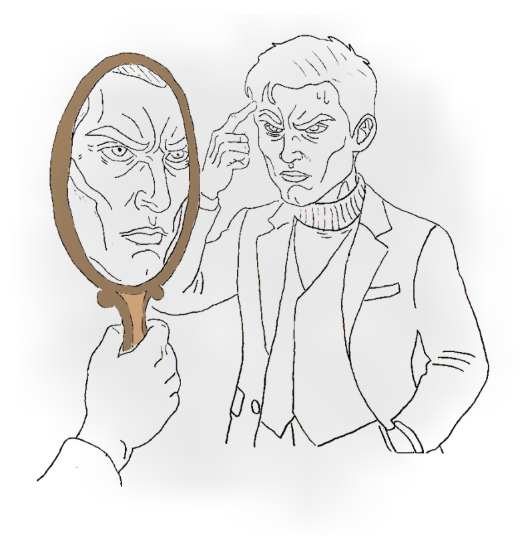




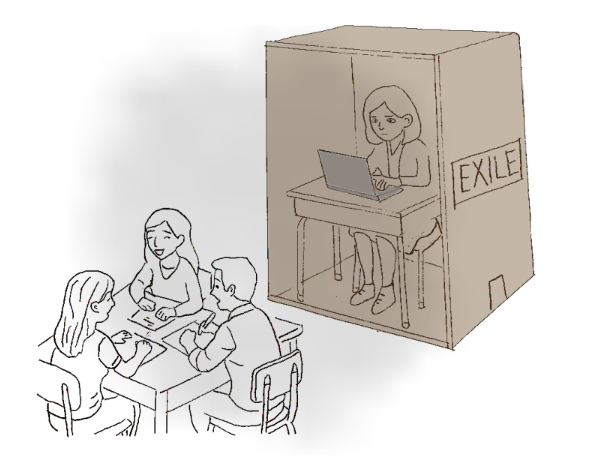
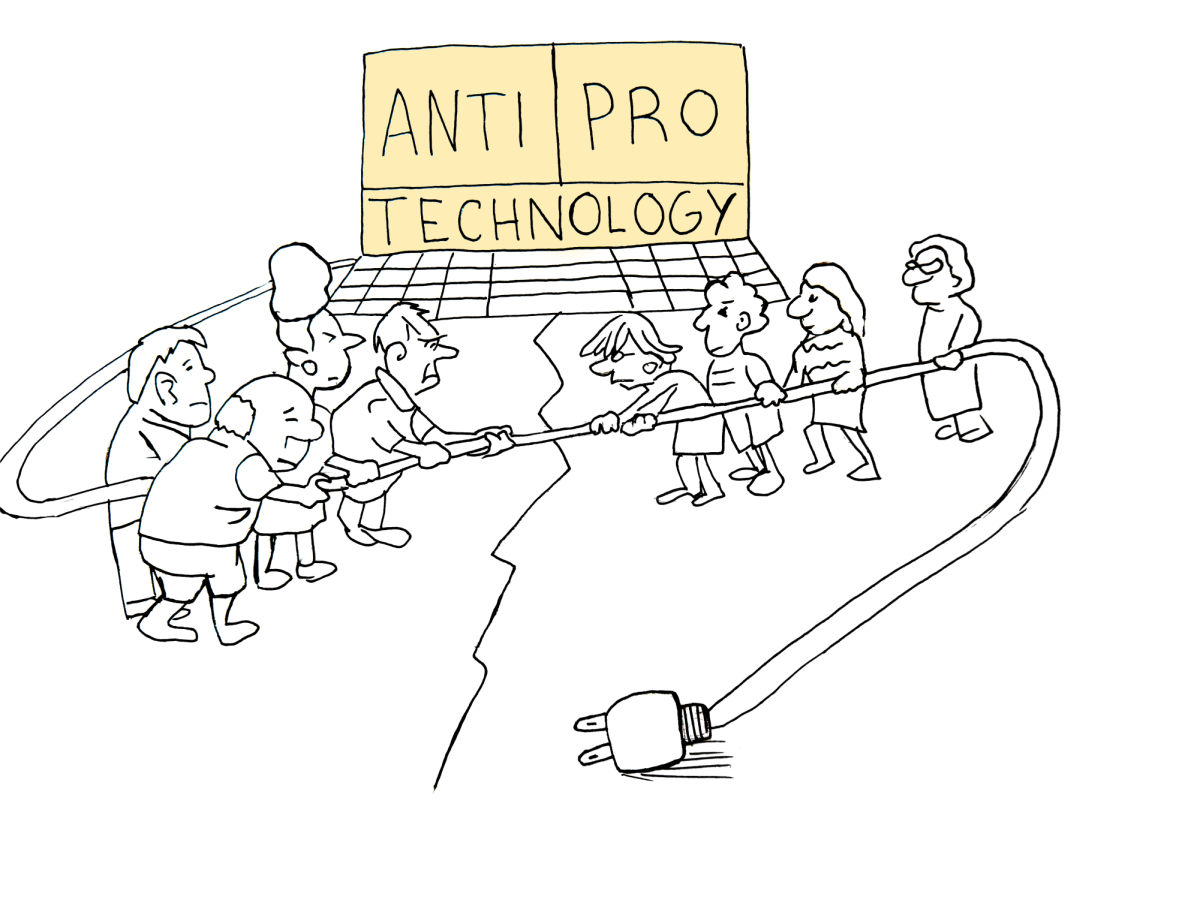



Amidst the hum of eager voices and thoughtful silence, students find a rare space to challenge ideas and share differing political opinions, shaping classrooms into vibrant arenas of respectful debate.
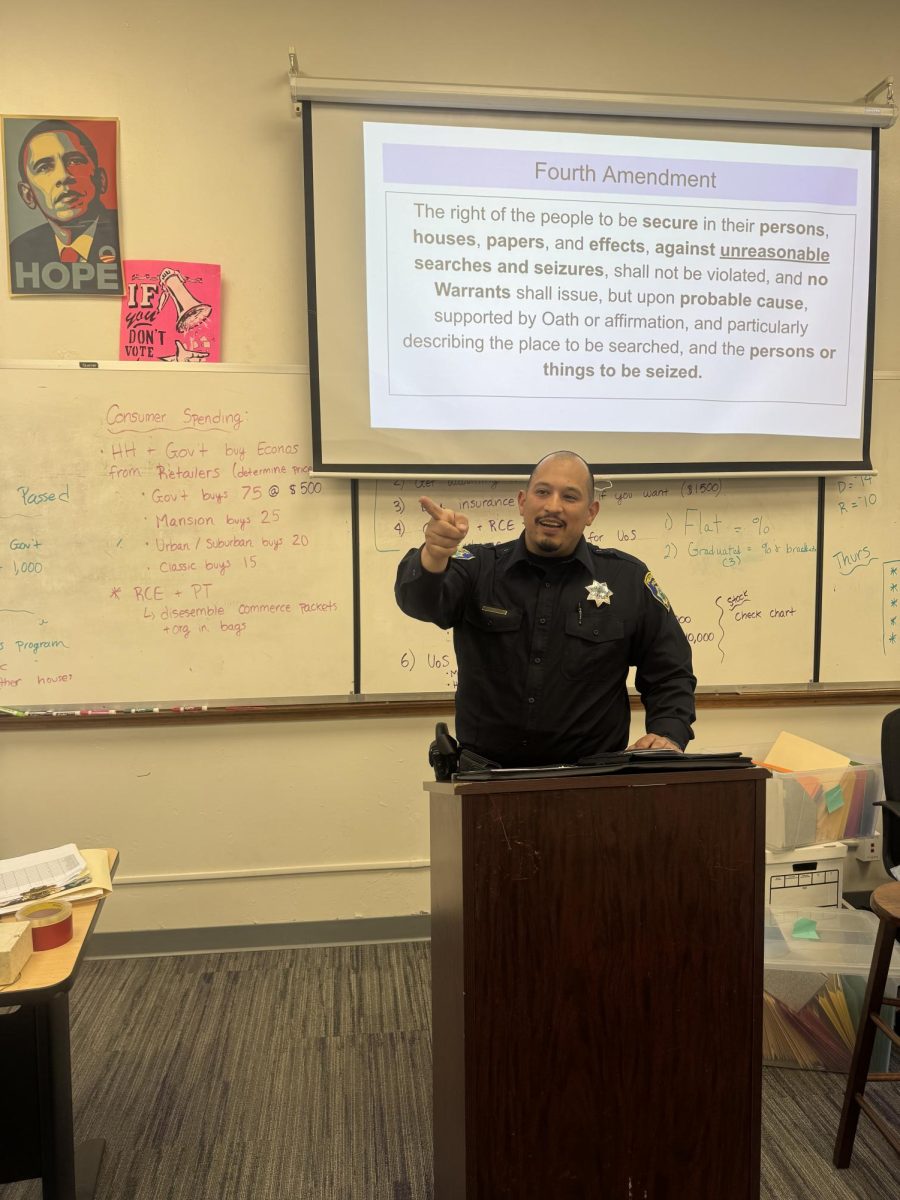
“An aspect of a teacher’s role is what they can do to help students redefine their community,” said PHS social studies teacher David Keller. “If a community isn’t looking for different opinions, they’re just going along with whatever the majority says and shut down the minority opinions.”
The First Amendment states that Congress shall make no law restricting freedom of speech. In schools, this right still applies—but it comes with limits. Students can speak freely as long as their expression doesn’t disrupt the learning environment or violate school policies that are neutral toward the content of the message.
“Legally, there is a limit on freedom of speech in school, but at Piedmont I wouldn’t say there is a legal issue. It’s more of a social values issue,” Keller said.
When it comes to political discussion, a teacher has to try to be as unbiased as they can.
“It’s really hard for me to be as non-biased as I can,” Keller said. “When I make a comment, students may feel pressure to either say something or not say something during discussions because of what they perceive my bias to be.”
Discussions are the chance for students to be able to share their opinions with everyone in the class and can help shape the views of others.
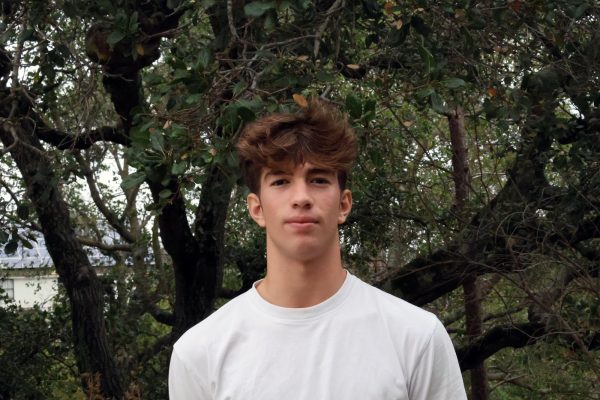
“I think during discussions, everyone gets the chance to share their opinion, but that isn’t always the case,” Cohen said. “Some people are often more comfortable speaking up than others, and sometimes it feels like certain opinions will get judged more by others.”
Keller said the question of how students’ political views are being shaped by the discussions he has in his classes keeps him up at night.
“If you come out of Piedmont High School never having heard the opinions of another person like Charlie Kirk, which are not well-represented here,” Keller said. “But then you go to college and hear these ideas and think ‘oh, this is very logical’, but you’ve never had an opportunity to challenge those ideas in a classroom setting, that puts you at a disadvantage because you never had a chance to confront those ideas.”
PHS social studies teacher Janine Sohn said circle discussions in social studies classes are places where students might want to speak freely about an issue, and that occurs more in classes like social studies than compared to a class like math or science.
“I always like to remind students that they should be aware of their audience when they are stating their opinion,” Sohn said. “For example, when we are discussing topics like Israel and Palestine, I like to remind students to be sensitive in their use of language and to not speak flippantly.”
Cohen said there is good political discussion in the classroom, because everyone has different views and opinions and hearing classmates explain their views helps him understand where they are coming from—even if he doesn’t agree.
Students in these classes get the chance to talk about many political issues that happen in the world today.
“Recently, we were discussing Jimmy Kimmel and the fact that his show was canceled due to him speaking out and practicing his right of freedom of speech,” Cohen said. “Disscussing current and past events helps me think more critically and understand that when having an opinion it should be backed by reasoning, not just emotion.”