

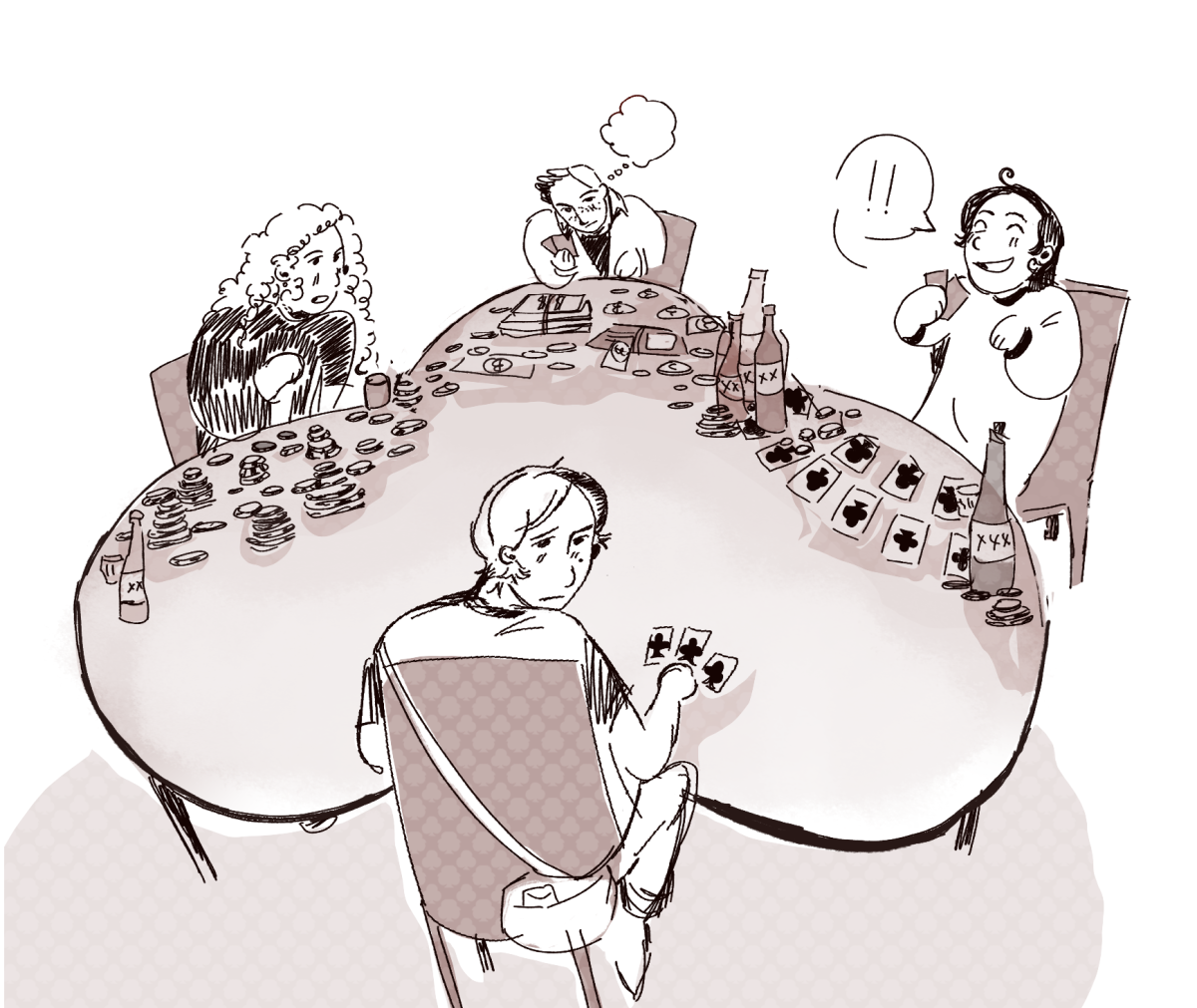
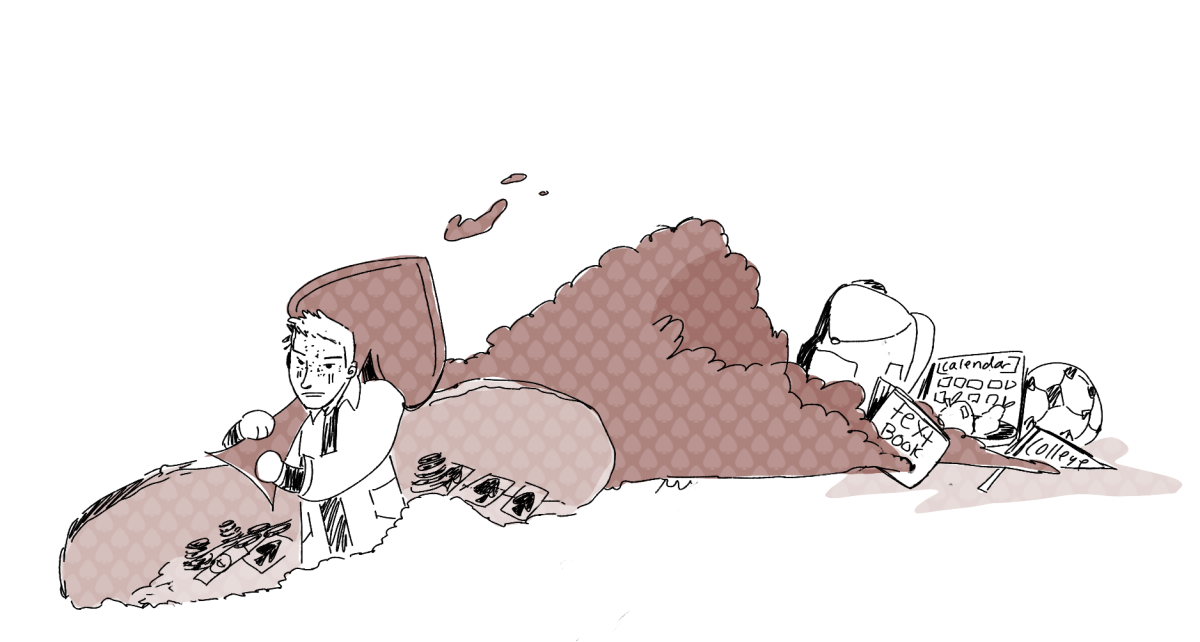










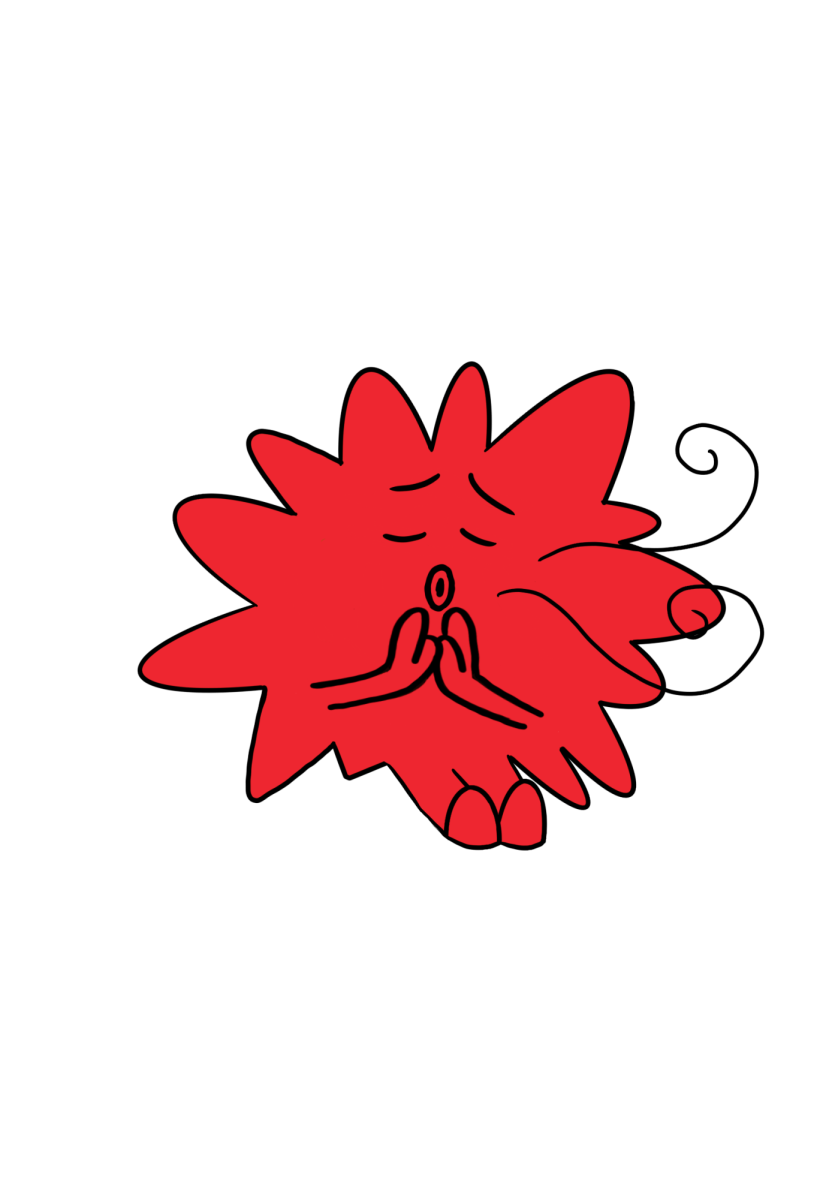
Shortness of breath. Loss of focus. Out of control. In the height of a panic attack, one is told to focus solely on their breathing.
Though panic attacks have no singular definition and vary widely from person to person, the shared sensation of breathlessness often serves as a defining thread. English teacher Edward Wolbert said for people who struggle, focusing on their lungs and using exercises like box breathing has been highly recommended by medical professionals.
According to Cleveland Clinic, box breathing refers to the fact that a box has four sides, meaning breathing slowly and counting to four for a total of four times.
“I think that’s the only thing I’ve found that actually helps me,” Wolbert said.
Box breathing isn’t the only helpful resource when panicking. Another exercise is called grounding, which involves focusing on your stance and contact with the ground.
“Grounding helps me when public speaking because it reminds me that I’m okay by feeling the presence of the ground,” sophomore Sadie Hartman said.
Apps such as the Calm app are used by both students and staff as a resource to mitigate stress and relax.
“Calm has breathing exercises and some mindful exercises,” sophomore Quinn Wagener said. “Sometimes during a panic attack or when I’m really stressed, it gets hard to breathe and focus on what’s in front of me, so using breathing exercises helps to ground me,”
The Calm app is recommended by health professionals and those who specialize in stress and anxiety. It aims to help people improve sleep quality, reduce stress or anxiety, improve focus, and more.
“I got it free with my Kaiser Health insurance, and it has all these breathing techniques I use,” Wolbert said.
Wolbert said he incorporates the breathing exercises he learned for panic attacks into his Public Speaking class to help students feel more comfortable when speaking in front of the class.
“We were taught box breathing, this helped me for my nerves,” Hartman said. “The breathing calms down your nerves, but I was too busy focusing on my counting to be nervous.”
On a broader scale, breathing exercises can also be a helpful tool for people who have conditions like Obsessive-Compulsive Disorder (OCD) and Attention-Deficit Hyperactivity Disorder (ADHD).
“Especially when I’m going to sleep, that’s when I’m prone to having compulsions. That’s when it’s helpful to use breathing exercises at night to help me fall asleep,” Wagener said.
According to Cleveland Clinic, panic attacks can often be mistaken for having anxiety, as they both display similar symptoms and patterns. However, it is important to be able to distinguish between the two, as there are specific ways to cope with each.
According to the Calm app, another helpful tool is meditation, as it helps people feel grounded and tranquil.
However, it can be harder for some to stay calm enough to meditate when in a heightened panic. Much like any other resource, meditation is helpful for some, and doesn’t work for others.
“I feel like I’m being swallowed into this really deep center of gravity, like I’m being slammed into a dark wall.” Wolbert said.
Goal-setting and journaling are also useful resources to help calm down.
“I like to set goals and write out lists to help myself prioritize. Journaling really helps too even though I’m not a big writer,” sophomore Kyla Williams said. “I am constantly reminded that I shouldn’t hold in my emotions so it’s one way I can express them without always having to go to a person.”