

















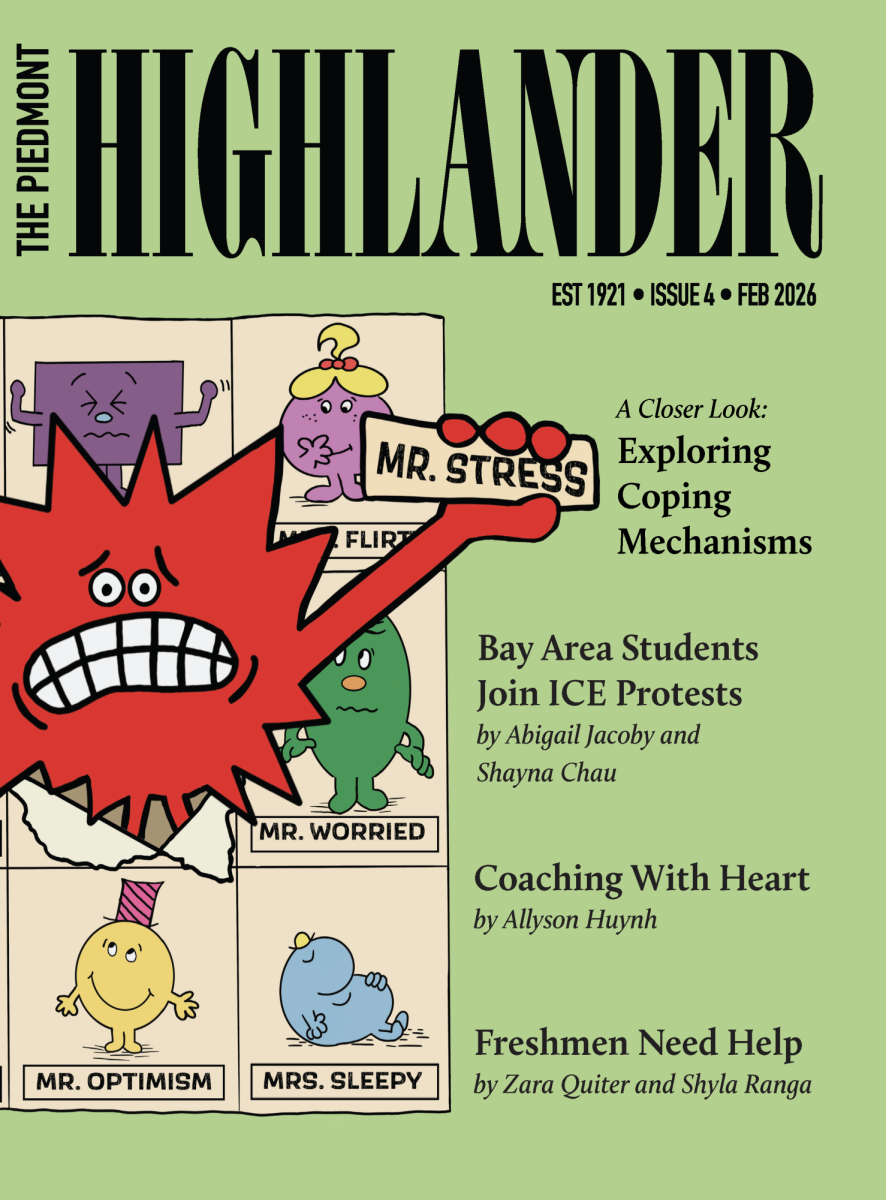


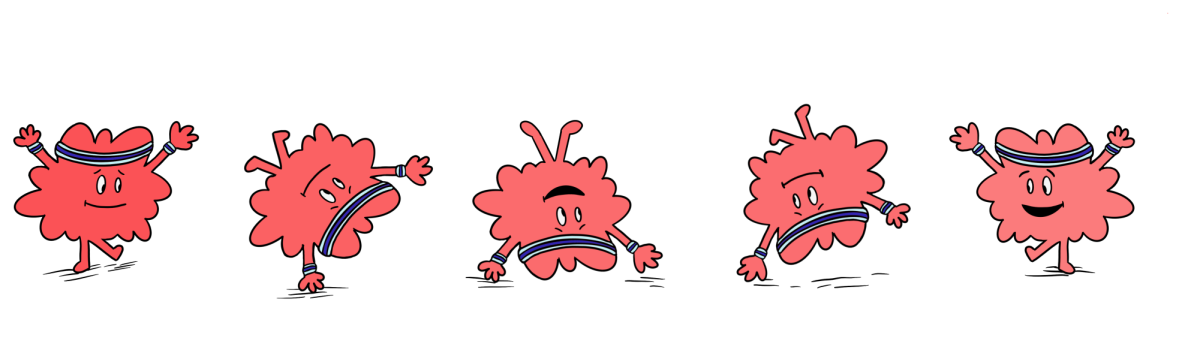
Tik. Tik. Tik. 45 minutes left. Test in math, 50 pages of reading in English, homework problems in chemistry and it is only third period. By the end of the day the pressure, worry, anxiety has taken over, with only one way to relieve it, to sweat. Five miles down. Lungs burning, muscles aching, but somewhere between the first mile and the last step, the stress begins to fade. For students, sports like running, soccer and rowing have become an essential way to manage the stress of school and daily life.
For sophomore Nikita Gorelik, she said going running with the high school cross country team helps her reset after exhausting school days.
“By the end of a run, I’m more happy and more productive,” Gorelik said. “If I’m having a hard time with something, I’ll take a step back and go run and listen to music.”
According to John Hopkins Medicine exercise increases the biochemical substance endocannabinoids, which flows through the bloodstream to the brain causing short term reduced anxiety and feelings of calm.
Freshman Aava Lokre said she shares a similar experience with running, noting a clear emotional shift from the beginning to the end of a workout.
“At the beginning of a run, I’m tired and kind of annoyed, but by the end I feel accomplished and proud. The endorphins kick in and I feel calmer,” Lokre said.
While running offers a sense of control, Branneria said rowing provides relief through intensity and structure.
“Rowing at that intensity is really helpful for calming yourself down. There are so many moving parts as a student, and it helps quiet all of that,” sophomore Diego Branneria said.
Over time, running has become more than just a way to burn off energy for Lokre, it has become a way to silence her thoughts.
“Running has given me a coping mechanism. When I feel stressed, I go straight to running,” she said.
Senior Arden Sorensen-Wald uses running during her soccer games to get rid of the thoughts stuck in her head.
“When I’m really running hard, it relieves everything. When I’m running in a game, it’s definitely an outlet for me,” she said. “When I’m running or playing soccer, I can’t really have all those thoughts bouncing around in my head.”
According to the American Psychological Association spending time in nature is linked to cognitive benefits and improvements in mood, mental health and emotional well-being.
In rowing, the environment plays a big role in separating people from their thoughts, making it a highly stress-relieving activity for many athletes.
“Being out on the water, I feel kind of untouchable by the rest of the world. There’s a physical barrier that creates a sense of security,” Branneria said. “The rhythm of rowing forces you to breathe deeply and live in the present.”
For Sorensen-Wald, the physical exertion combined with the time outdoors is what makes soccer calming.
“It’s definitely the physical exercise, being outside and getting out of your own head helps me a lot,” Sorensen-Wald said.
According to Dialogue in Daily Life, lack of fitness can cause brains to feel sluggish and tired, making it difficult to have the motivation to complete responsibilities or deadlines.
“When I miss practice, my stress gets worse. Rowing creates a routine and gives me a break from everything else,” Branneria said.
For Gorelik, the need for consistency is found in running too. When she is not able to run, she also notices the shift in her emotional state.
“When I can’t run for a while, I get more frustrated. Even my parents notice and tell me to go take a step outside or go run,” she said.
According to John Hopkins Medicine exercise produces new brain cells in certain locations through a process called neurogenesis which may lead to overall improvement in brain performance and prevent cognitive decline.
Beyond immediate stress relief, Branneria said that exercise has helped him build long-term mental resilience that is helpful beyond the boat.
“It’s made me more mentally resilient. I can take what I learn in rowing and apply it to tests, races, and other stressful situations,” Branneria said.
Sorensen-Wald said that she believes exercise is one of the most effective tools to manage her stress, but emphasizes that everyone should find what works for them.
“Exercise is my number one tool whenever I’m going through a hard period or just having a bad day,” she said. “If something makes your day better, you should learn that and use it as a tool.”