



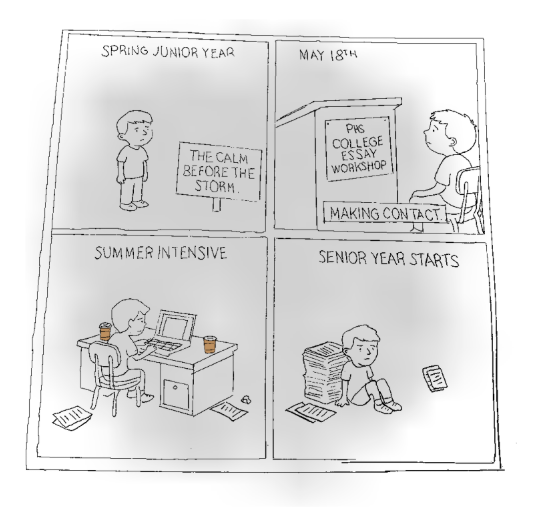














My fifth-grade math teacher taught me one of the most important lessons I would ever learn, and it had nothing to do with numbers. She taught me it’s okay to cry.
Math had never been my favorite class, but one day I finally had enough. Frustrated by the elementary level work in front of me, I felt the tears come before I could stop them. Embarrassed, I rushed out of the classroom, hiding my red eyes from my peers. I might have spent the rest of my math career hiding away in shame if it weren’t for my teacher’s simple advice: crying makes you feel better.
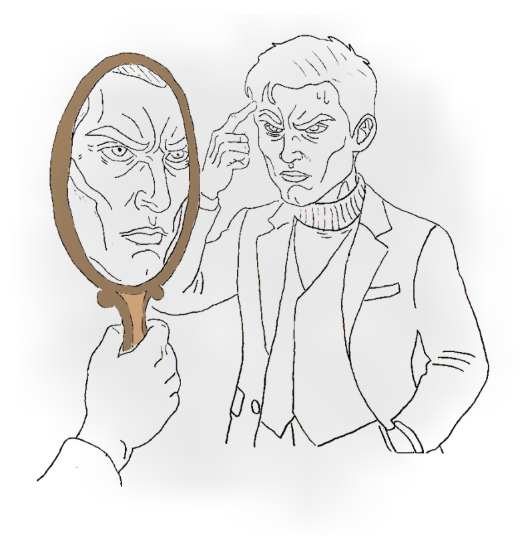
Crying is hardwired into human biology; babies cry as a tool of communication, but human culture has a way of turning a survival mechanism into a social taboo. Emotional expression is like a fire alarm: it’s there for emergencies, but everyone gets mad when you actually use it. According to the American Psychological Association, women cry on average 3.5 times per month, whereas men cry 1.9 times per month. Scientifically, one reasoning behind this difference is found in hormones. Testosterone, a hormone commonly found in men, inhibits crying, while the hormone prolactin, found in higher levels in women, promotes it. Socially, the difference comes from societal expectations of each gender. Often placed under greater pressure to appear resilient, male emotional expression is still widely misinterpreted as weakness. In the beginning of the pop culture phenomenon known as the 80s, The Cure released “Boys Don’t Cry”, a cultural manifesto for generations of emotionally restrained men. Men have always been told to tough it out; The Cure just gave them the sound track.
Men have historically displayed less emotion, and research from the National Library of Medicine suggests that this restraint comes at a cost: tearless case subjects typically displayed less empathy, less social support and less general connection with others. Effectively, the less that one cries, the less likely they are to understand genuine emotion. Cry less, understand less – scientifically guaranteed emotional incompetence.
Other than communication, tears and crying have the ability to clear the body’s system. According to Harvard Health, crying isn’t just an emotional response, but it can also be physically alleviating. The functionality of tears ranges from clearing debris out of the eye, to flushing toxins and stress-related hormones out of one’s system. Forget over priced juice cleanses, crying is the body’s free detox program, no subscription necessary.
The American Psychological Association said that tears originating from emotion carry more strands of protein than non emotional ones. This builds the notion that when emotional tears are shed, your body is going through a literal and physical process of healing. The National Institute of Medicine states that crying tears of emotion relieve stress and eliminates built up tension. Alone, tears cannot guarantee the complete removal of pain or distress, however it is considered to be a helpful method of short term coping, and promotes the maintenance of emotional balance.
According to Harvard Health, crying begins to fall into an unhealthy category when tears become uncontrollable. When crying and tears inhibit daily activities, or leaves a negative impact on quality of life, further medical help should be sought out.
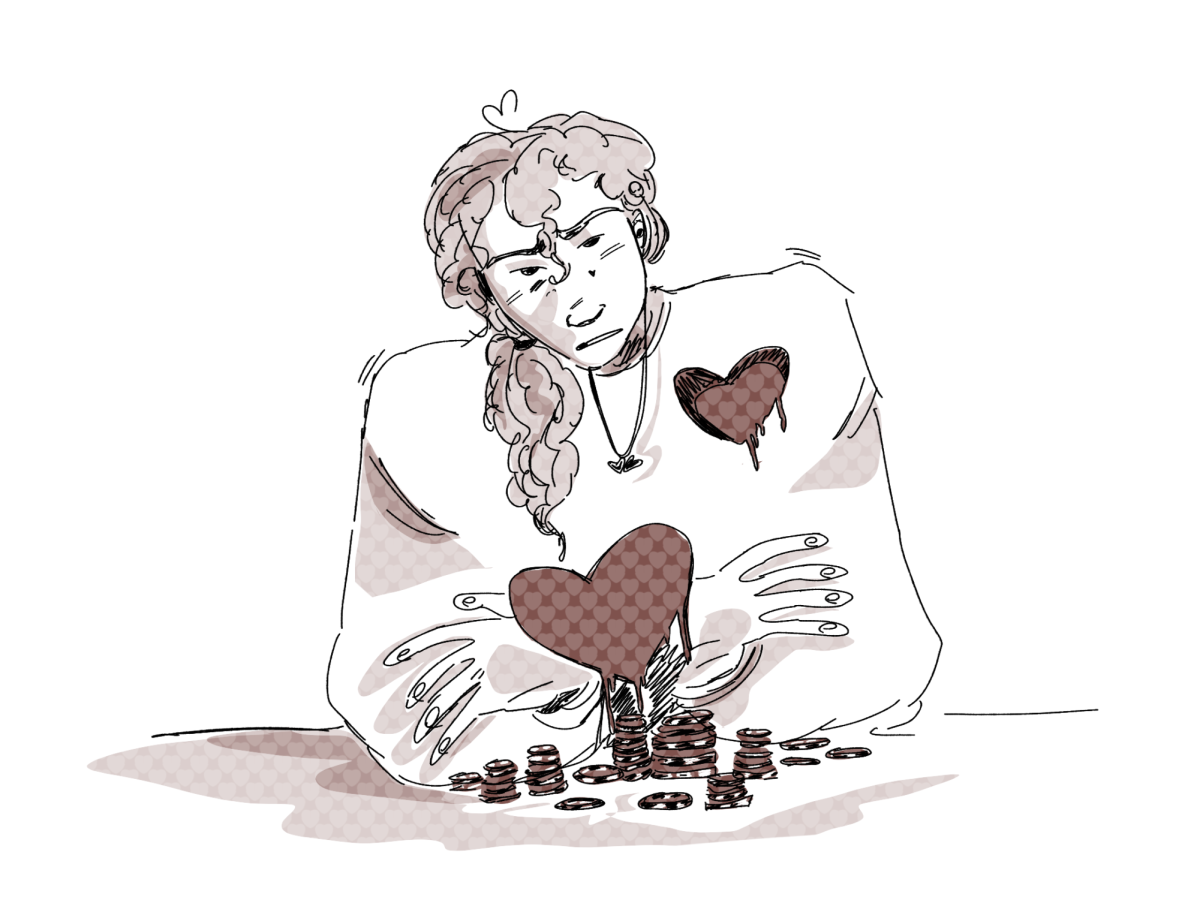
Crying is often dismissed as a sign of weakness or immaturity, but both science and experience tell a different story. A good cry; starting sad and ending up somewhere else makes it feel like you’ve accomplished something. Sometimes the thought that you’ve conquered some sort of inner battle is a game changer when at war with yourself. Crying isn’t just a crucial bodily function, but it’s a stress reliever, tension dissolver and mind clear-er. So next time you feel like crying, grab a tissue, let the tears fall because some problems, even math problems, require more than just numbers.