













The most pervasive issue within our generation is indifference.
As an editorial board, we believe civic engagement is the key to making an impact within our community and beyond. Civic engagement can include anything from speaking out on important issues, going to town hall meetings, protesting, or learning about the law. Recently, we saw our community step up during the recent protests against ICE, but we must remember that we should always strive to stay engaged. We don’t need to take a nationwide event to kickoff our engagement: at its core, civic engagement comes from our own desires to advocate for what we believe in.
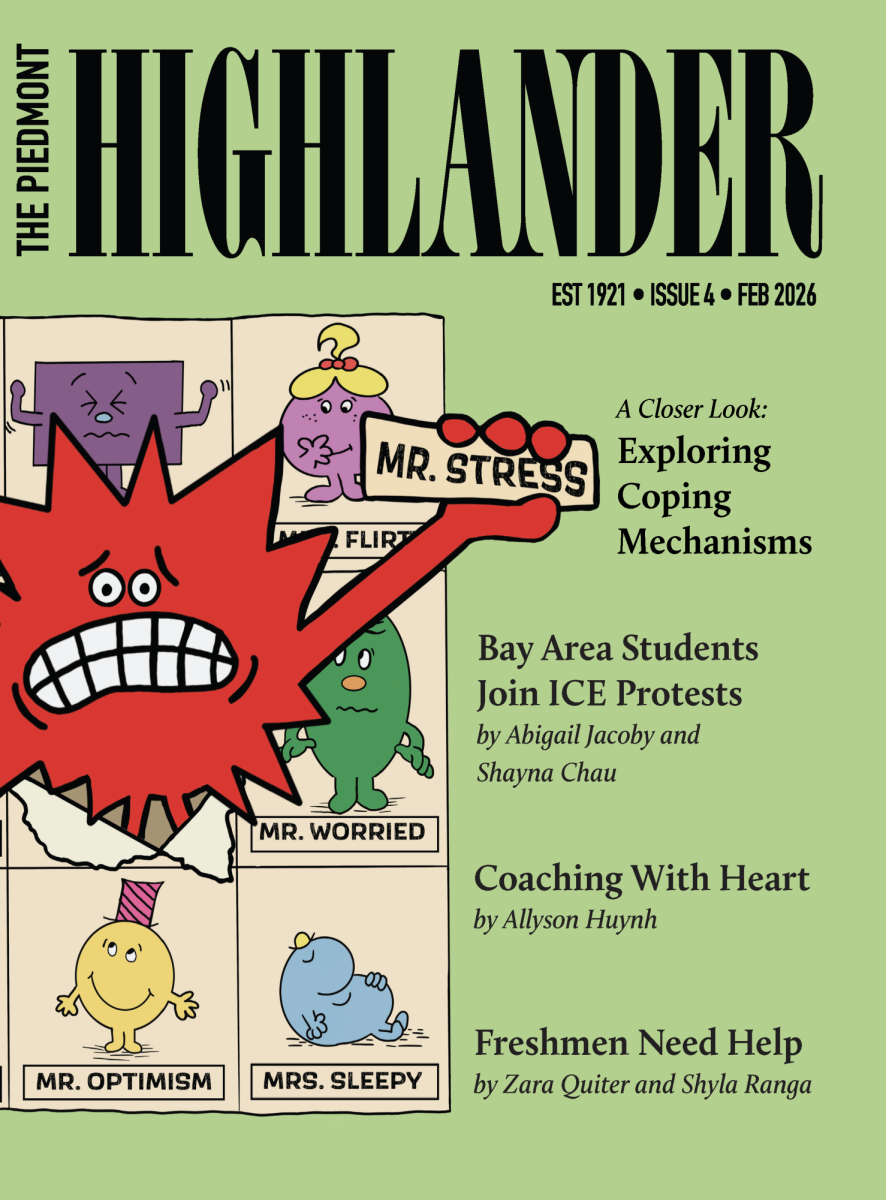
It’s okay not to know where to start. It’s simply enough to try. Because Piedmont is such an insular community, it can be challenging to push ourselves beyond the confines of our town limits. However we need to realize that beyond our personal stresses and struggles, there is a whole community for which we can channel our stress into impact. While it can feel overwhelming, we don’t have to survive with stress—we can thrive by taking the opportunity to foster social connections and build on our sense of purpose.
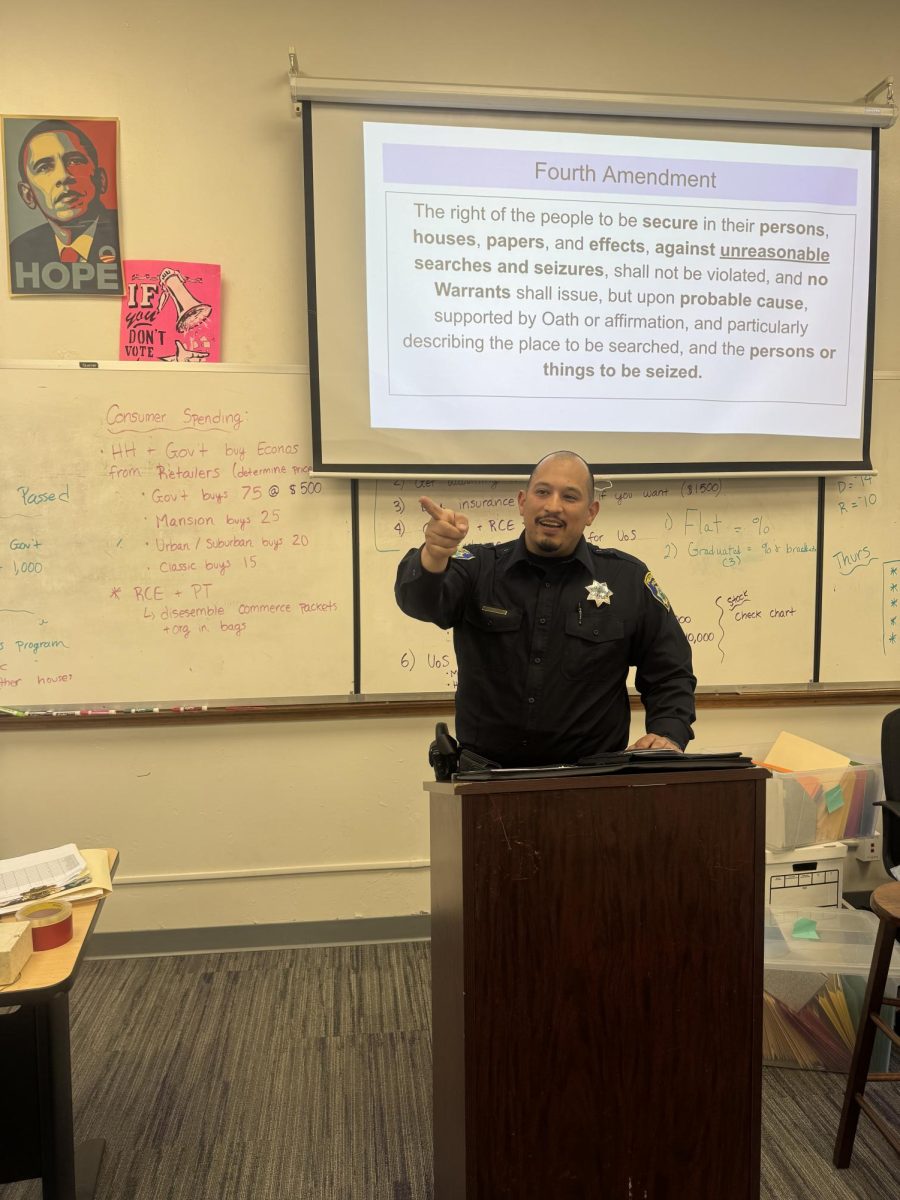
Within PHS, administration helps build a foundation for civic engagement. In some civics classes, a graduation requirement for all PHS seniors, it is mandatory to attend a Piedmont government meeting. By creating assignments that push students to actively voice their opinions during community meetings, teachers help give us pathways into civic engagement. As students, we should embrace projects like this as they are a step in the right direction.
Beyond academics, volunteering opportunities like Piedmont Community Service Crew (PCSC) and Key Club provide casual, hands-on service activities that are easy to do with friends. Regardless of what civic engagement looks like for each individual, finding what works for us is what will allow us to enjoy stepping outside of our comfort zone. It sounds cliché, but beyond volunteer hour requirements, action is better than wallowing in stress. Productivity and making the effort to extend ourselves into our community is a positive scoping skill.
Though civic engagement may start in small actions, the more open we are to learning and extending ourselves into our community, the more we foster a culture of advocacy among our students.